The question "Can you plane MDF?" is one of the most contentious topics in the woodworking community. Some purists will tell you to keep your planer far away from MDF, while others do it daily to achieve specific thickness requirements. In this article, we are going to settle the debate. We will explore the technical realities of machining MDF board, the impact on your tools, and whether it is a viable solution for your manufacturing or DIY needs. Whether you are running a large furniture factory or a small joinery shop, understanding how to manipulate this material effectively is key to efficiency.
Can You Really Plane MDF Without Ruining Your Tools?
The short answer is yes, you can plane MDF, but it comes with a significant catch. Unlike solid wood or lumber, MDF (Medium-Density Fiberboard) is an engineered sheet material composed of wood fibers and resin binders. It is not designed to be milled like natural timber. However, if you have a board that is slightly too thick for your project, running it through a thickness planer is physically possible.
The real issue lies in the glue. The glue content in MDF is highly abrasive. If you use standard high-speed steel (HSS) planer blades, planing the MDF will dull them in a matter of minutes. The resin acts almost like sandpaper against the knife edge. To do this successfully without destroying your machinery, you absolutely need carbide-tipped cutters. Carbide is much harder and can withstand the abrasive nature of the glue and fibers much better than steel.
If you are just shaving off a small amount to fit a piece into a groove, it might work just fine. But be warned: if you plan to plane hundreds of feet of MDF, you are going to go through consumables fast. It is a trade-off between getting the exact dimension you need and the lifespan of your tool.
Why Do Woodworkers Dread Planing MDF Boards?
Ask any seasoned carpenter about plane MDF workflows, and they will likely cringe. The dread comes from the dust and the dull blades. When you cut or plane MDF, it doesn’t create shavings like pine or oak. It creates a fine, powdery dust. This dust is pervasive; it gets into motors, lungs, and every corner of the shop.
Moreover, woodworking with MDF usually relies on the factory surface. The "skin" of an MDF board is the densest and smoothest part. It is compressed under high heat during manufacturing to create a hard, paint-ready finish. When you plane the board, you remove this hard outer layer.
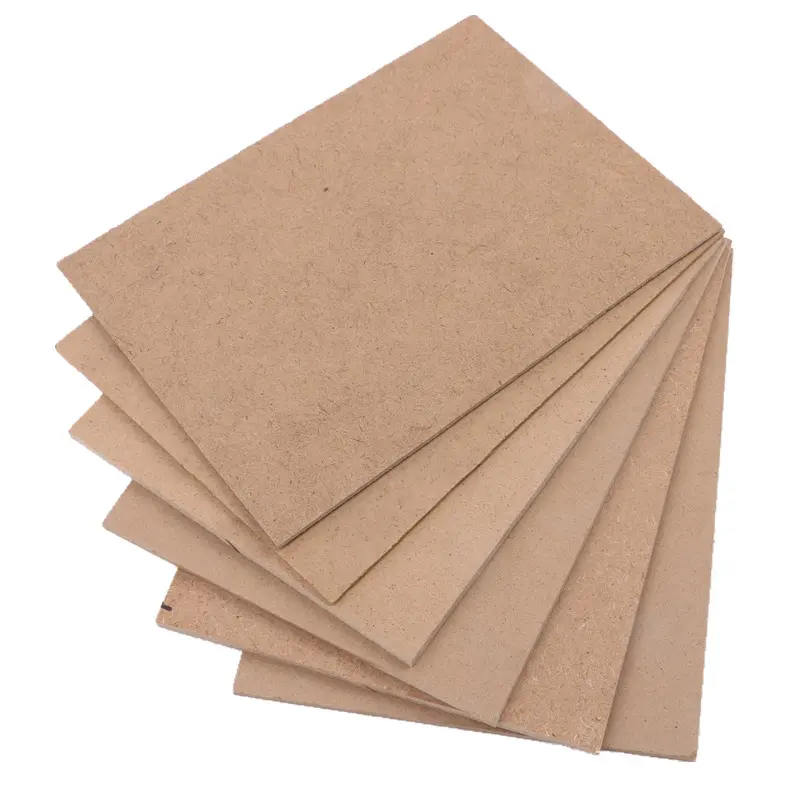
Beneath that skin lies the softer, more porous inner core. By planing the MDF, you expose this fluffy core. It creates a fuzzy surface that soaks up paint and glue like a sponge. Many woodworkers hate this because it requires extra work—sanding, sizing, or priming—to get a decent finish back on the material.
What Happens to the Surface Finish After Planing?
As mentioned, removing the factory face changes the properties of the board. The inner core is less dense. When you run it through a planer, the surface will feel rougher. If you run your hand across it, it won’t be that glass-smooth texture you are used to with MDF.
If your goal is to adhere a veneer or a laminate (like our melamine papers) to it, this rougher surface can actually be a benefit. The texture provides more "tooth" for the glue to hold. However, if you intend to paint the side you just planed, you are in for a challenge. You will need to coat it with a sealer, sand it down, and likely coat it again to get it smooth.
For applications like a spoil board on a CNC machine, the finish doesn’t matter. You just want the board to be perfectly flat. In this context, planing is a standard procedure. But for decorative furniture, losing that hard skin is a major drawback.
Is a Thickness Planer or a Router Better for the Job?
If you need to reduce the thickness of a sheet of MDF, you have two main options: a thickness planer or a router sled. A planer is faster. You feed the board in, and it comes out thinner. However, planers typically have a width limit (often 12 to 20 inches). Since MDF comes in 4×8 foot sheets, a standard planer cannot handle full-width panels.
This is where the router comes in. A router mounted on a sled (a jig that slides over the workpiece) can act as a plane. You move the router back and forth to mill down the surface. This method allows you to surface very wide boards that wouldn’t fit in a stationary planer.
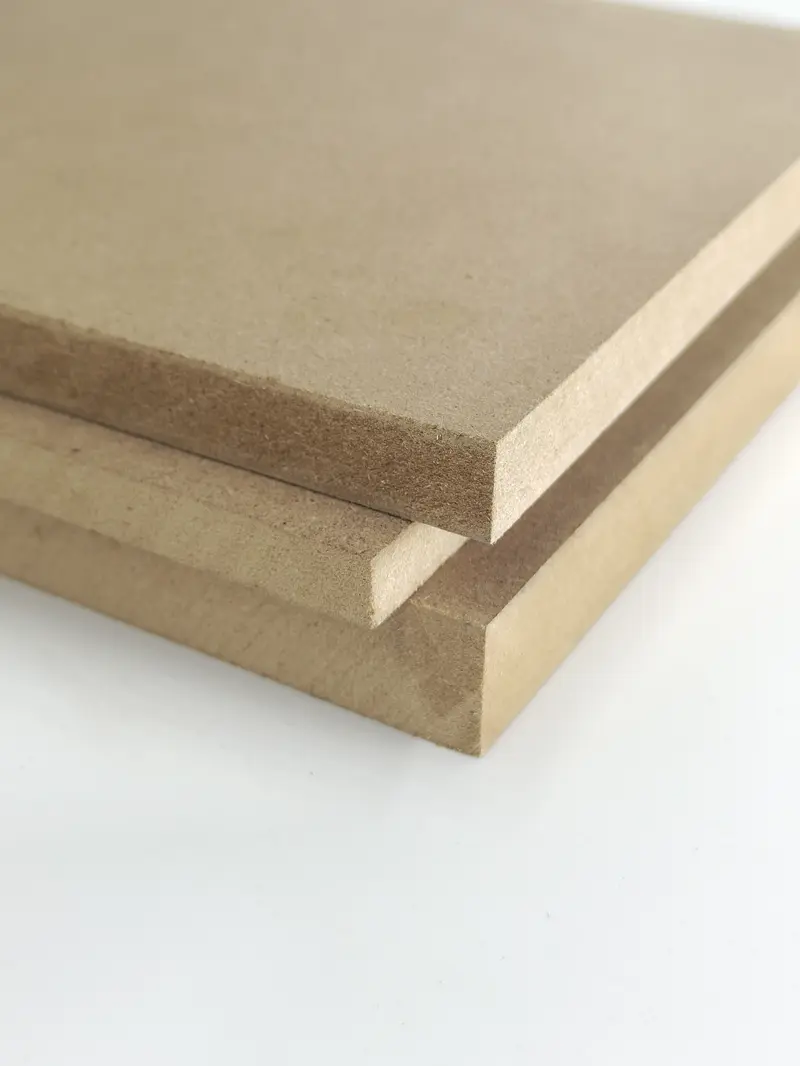
The router bit should also be carbide. Using a wide surfacing bit makes the process faster, but it is still slower than a dedicated planer. For small shops surfacing a workbench top or a CNC spoil board, the router is the preferred tool. For production runs of narrow strips, the planer wins on speed.
How Does Glue Content Affect Your Planer Blades?
Let’s dive deeper into the chemistry. MDF is held together by urea-formaldehyde or similar resin systems. This glue cures hard—very hard. When a high-speed steel blade hits this cured resin thousands of times per minute, the friction generates immense heat. This heat softens the steel edge, causing it to dull rapidly.
Carbide cutters are more heat resistant. If you attempt to plane MDF with standard HSS planer blades, you might notice the motor straining and the finish getting choppy after just a few passes. Worse, if you then try to run a nice piece of walnut or maple through that same planer, you will likely get tear-out because the knives are ruined.
My advice? If you must plane MDF, keep a dedicated set of "trash" blades or invest in a planer with a spiral carbide cutter head. The spiral head uses small carbide squares that can be rotated if they get dull, which is much more economical in the long run.
What Safety Precautions Are Essential When Planing MDF?
Safety in woodworking is paramount, but with MDF, it is critical. The dust generated by planing is much finer than sawdust. It hangs in the air. Because MDF contains formaldehyde and other chemicals in the resin, breathing this dust is a health hazard.
When you use a planer or router on MDF, you must use active dust extraction. A shop vac might not be enough; you need a proper dust collector moving a high volume of air. Additionally, always wear a P100 respirator.
Furthermore, planing creates a lot of friction. If you take too deep a cut or if your blades are dull, the friction can actually scorch the board. In extreme cases, the dust inside the dust collector can ignite if a spark is generated. Ensure your machinery is grounded and sharp to prevent burning.
Can You Plane MDF to Remove a Damaged Surface or Paint?
One valid reason to plane MDF is renovation. Perhaps you have a workbench top made of MDF that has glue spills, cuts, and paint drips all over it. Instead of replacing the whole slab, you can skim 1/16th of an inch off the top to reveal fresh material.
This works effectively. You strip away the damage and get a flat surface again. However, remember the blade issue. Paint can also be tough on knives, especially if it contains old lead or hard enamels. Check the surface for any embedded metal (staples, screws) before running it through. Hitting a screw with a planer is a disaster for the tool and potentially dangerous for the operator.
If the MDF has swelled due to moisture damage, planing it flat is a temporary fix. Moisture damage usually compromises the internal bond of the fibers. You might plane it flat, but the board will likely remain weak and crumbly in those areas.
Does Planing Affect the Structural Integrity of the Board?
MDF is unique because it has a density profile. It is densest on the faces and least dense in the center. Imagine a sandwich where the bread is hard crust and the filling is soft.
When you plane off one side, you remove one of the "crusts." This can cause the board to cup or warp. The tension in the sheet is released unevenly. If you need to thin a piece of MDF significantly, it is often better to take a little off both sides to maintain balance, though this is difficult with a standard planer which references off the bottom face.
Also, reducing the thickness obviously reduces rigidity. A 3/4 inch shelf is strong; plane it down to 1/2 inch, and it will sag much faster under load. You are removing the strongest part of the beam (the outer fibers).
Are There Alternatives to Planing for Thinning MDF?
If you need a thin piece of MDF, planing isn’t the only way. The best method is to simply buy the correct thickness to begin with. We produce Custom Raw Plain MDF Board in thicknesses ranging from 0.8mm up to 25mm.
If you need a non-standard size like 13mm and can only find 12mm or 15mm, you might be tempted to plane the 15mm down. However, sanding is an alternative. A wide-belt sander (common in professional cabinet shops) is far superior to a planer for sizing MDF. Sanding belts are cheaper to replace than planer blades, and they don’t chip out the material. They leave a uniform, albeit fuzzy, finish that is easier to deal with.
For the DIYer without a wide-belt sander, simply buying a thinner sheet and gluing it to a spacer, or using plywood (which comes in more varied ply thicknesses), might be a smarter move.
Is it Better to Buy Custom Thickness or Plane it Yourself?
For a business like Demeter, or for my client Richard in the USA, efficiency is money. Planing MDF in-house is a bottleneck. It consumes labor, electricity, and tooling costs.
If you need 500 sheets of MDF at exactly 17.5mm for a specific cabinet project, do not buy 18mm and plane it. Order it custom. Manufacturers like us can adjust the continuous press to produce the exact thickness you need. This ensures the hard "skin" remains on both sides of the board, maintaining stability and finish quality.
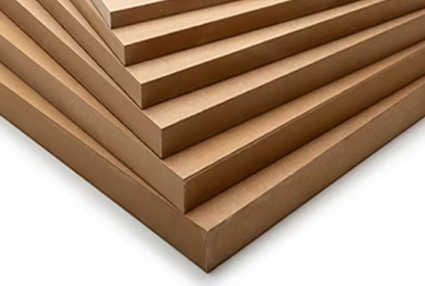
Buying the correct Plain/Raw Mdf Materials Board straight from the factory eliminates the waste and risk associated with machining it yourself. It is the professional approach to scale manufacturing.
Summary
The debate around planing MDF often comes down to necessity versus practicality. While your planer can do it, it is not always the best choice for the longevity of your power tools.
- Yes, you can plane MDF: It allows you to achieve custom thicknesses or resurface spoil boards.
- Tool Wear: The high glue content and resin will dull standard steel blades rapidly; carbide is essential.
- Surface Quality: Planing removes the hard factory skin, exposing a softer, fuzzier core that is harder to paint.
- Dust Hazard: The process generates fine, hazardous dust, requiring excellent extraction and PPE.
- Stability: Removing material from one side can lead to warping as the internal tensions shift.
- Alternatives: Wide-belt sanding is a better method for thinning, or simply ordering custom thickness specs from the supplier.
- Machinery: A router sled is great for wide slabs, while a thickness planer is faster for narrow strips.
- Safety: Always check for metal debris and ensure proper ventilation to avoid inhaling resin particles.
Machining MDF requires a different mindset than machining solid wood. Treat it with respect, use the right accessory, and your projects will turn out straight and true.
Post time: 02-12-2026