There is a prevailing myth in the construction and woodworking industries that fiberboard is strictly an interior material. For decades, builders have shied away from placing engineered wood product panels in environments exposed to the elements, fearing rapid degradation. However, with the rising cost of solid lumber and advancements in chemical treatments, the question is being asked more frequently: Is it possible to successfully use mdf for an outdoor project? The answer is nuanced. While standard sheets are indeed sponges for moisture, modern techniques and specialized grades have expanded the application possibilities. By understanding how to properly coat, seal, and paint these boards, you can unlock a versatile and cost-effective material for specific outdoors uses, provided you follow a strict regimen of protection.
Is it Safe to Use MDF Outdoors? The Ultimate Guide to Waterproof Paint, Seal Coats, and Exterior Application
When we consider the application of engineered materials outside, we must first respect the chemistry of the board. MDF (Medium Density Fiberboard) is essentially wood fibers glued together with resin and heat. In its raw state, it is designed for furniture, shelving, and cabinetry inside a climate-controlled home. However, innovation doesn’t stop at the front door. If you know mdf and its limitations, you can manipulate it. To use mdf in an outdoor setting requires a fundamental shift in how you treat the surface. It is not about the board itself surviving the rain; it is about creating an impenetrable barrier that prevents water from ever touching the fibers. This guide explores the meticulous process of making mdf a viable option for exterior projects through rigorous waterproofing and sealing.
Why is Standard MDF Vulnerable to Moisture Damage?
To understand how to protect it, you must understand how it fails. Standard MDF is highly hygroscopic, meaning it loves to absorb water. When moisture penetrates the surface, the dried wood fibers act like tiny straws, sucking liquid deep into the core. This causes the bond between the fibers and the resin to weaken. The most immediate visual sign of this damage is when the board begins to swell. Unlike solid wood, which expands and contracts, MDF swells permanently. Once it puffs up, it will not return to its original thickness or shape when it dries.
This swelling is catastrophic for fine furniture or precision joinery. It leads to the surface bubbling, the paint peeling, and eventually, the structural integrity of the board failing. In an outdoor environment, where humidity fluctuates and rain is inevitable, a raw sheet of medium density fiberboard might last only a few weeks before it becomes unusable. Therefore, if MDF is probably going to be exposed to moisture, even incidental splashes, it requires a level of protection far beyond what is needed for an indoor bookshelf.
What is Moisture Resistant MDF (MR MDF) and Is It Enough?
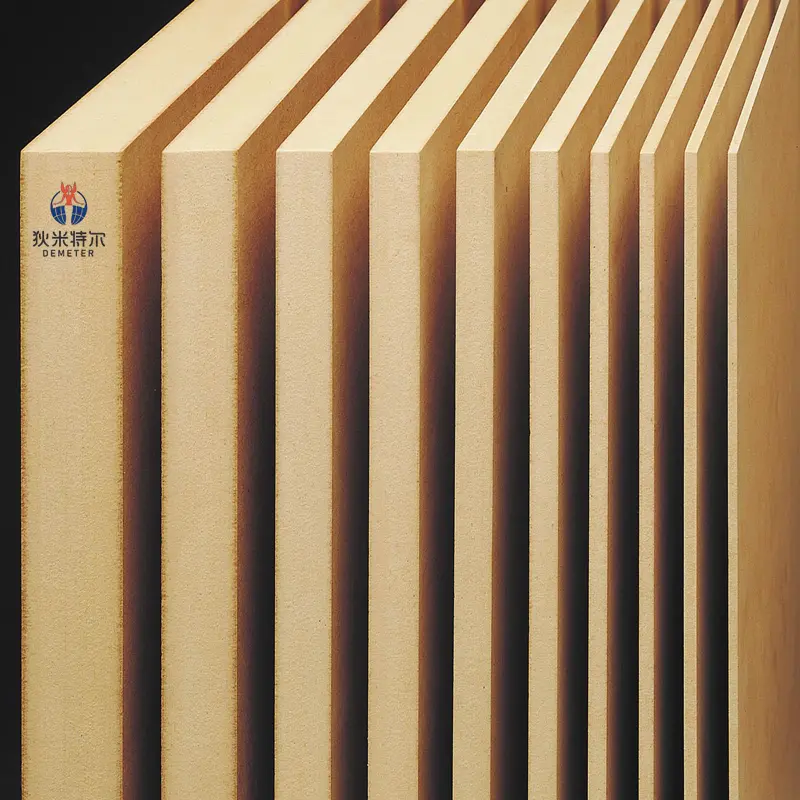
You may have seen MDF boards with a distinct green tint in the core. This is known as Moisture Resistant MDF or MR MDF. It is manufactured using a different, higher quality resin formula that offers greater resistance to damp environments compared to standard boards. It is the industry standard for bathroom vanities and kitchen cabinetry where high humidity is a constant factor.
However, a crucial distinction must be made: moisture resistant does not mean waterproof. MR MDF is designed to withstand high humidity and occasional wetting, provided it is allowed to dry out. It is not designed to be submerged or constantly battered by rain. While using moisture resistant mdf gives you a much better starting point for outdoor projects than standard MDF, it is not a magic solution. It still requires a comprehensive coating system. Think of MR MDF as an insurance policy; it gives you a higher margin for error, but it does not replace the need for a proper sealer and paint.
Can You Make MDF Waterproof for Outdoor Use?
To truly make mdf capable of surviving outdoors, you must treat it as if you are encapsulating it in plastic. The goal is to make it waterproof by sealing every single square inch. A simple layer of varnish is rarely enough. The most effective method involves using a high-quality, solvent-based sealant or a two-part epoxy sealer.
Epoxy is particularly effective because it cures into a hard, plastic-like shell that is impervious to water. When you apply a penetrating epoxy sealer, it soaks into the porous surface of the MDF and hardens the fibers, effectively turning the outer layer into a composite plastic. This drastically improves the durability and lifespan of the project. If epoxy is out of the budget or overkill for the project, high-performance exterior wood sealers or oil-based primers can work, provided they are applied meticulously. The key is redundancy—applying multiple coats to ensure there are no pinholes where water can sneak in.
Step-by-Step: How to Properly Seal MDF with Sealer and Primer?
The waterproofing process lives and dies by how you handle the sides and edges. The cut edge of an MDF panel is significantly more porous than the smooth face. It is essentially a sponge waiting to drink up water.
- Preparation: Sand the mdf smooth. Break any sharp corners, as paint and sealers struggle to stick to sharp 90-degree angles and are prone to crack there.
- Sealing the Edges: Apply your sealer liberally to the edges. You will notice the MDF sucking it up instantly. Keep applying until the edges stop absorbing the liquid. This might take three or four passes.
- Priming: Once the sealer is cured, apply a high-quality exterior primer. An oil-based primer is generally superior for blocking moisture compared to water-based versions.
- Sand and Repeat: Lightly sand the primer once dry. If you see any fuzzy texture, it means fibers are raising. Sand them down and prime again. You want a glass-smooth surface before you even think about the topcoat.
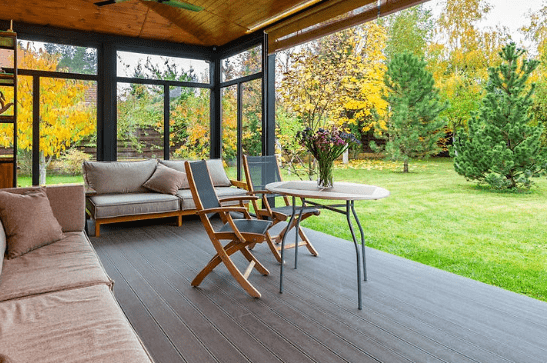
Properly executed, this process creates a seal mdf barrier that allows the material to perform in minimal exposure environments, such as a covered porch or a sheltered patio.
Which Paint is Best for Protecting MDF Outdoors?
Once the MDF is sealed and primed, the final coat of paint acts as the first line of defense against UV rays and rain. Not all paints are created equal. For exterior applications, you should select a high-quality exterior latex or acrylic latex paint. These paints are flexible, meaning they can expand and contract slightly with temperature changes without cracking.
Avoid standard interior paints. They lack the UV inhibitors and mildewcides necessary for outdoor survival. For maximum protection, applying at least two, preferably three, multiple coats of paint is recommended. Some woodworkers prefer oil-based enamels for their hard shell, but modern exterior acrylics have improved significantly in durability. Ensure you apply the paint to all surfaces—top, bottom, and especially the bottom edges where water tends to hang and drip. A continuous film of paint is essential. If you leave the bottom unpainted, moisture will wick up and destroy your work from the inside out.
Is MDF Suitable for Bathroom Cabinetry and High Humidity?
While the focus here is outdoor use, the principles apply to high-humidity interiors like a bathroom. A bathroom is essentially a hostile environment for wood products due to steam and splashing water. Here, MR MDF is the superior choice.
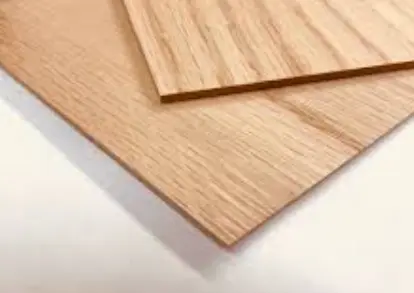
Standard MDF is risky for a bathroom cabinet or shelf. If the protective coat is scratched or if water pools around the base, the damage will set in quickly. However, using moisture resistant mdf, combined with a robust paint schedule or a melamine lamination, makes for excellent cabinetry. We supply a significant amount of Factory High-Quality Melamine Mdf Board specifically for these humid environments. The melamine surface provides a pre-finished, waterproof face, leaving only the edges to be sealed by the fabricator. This combination offers the aesthetic of fine furniture with the necessary moisture resistance.
How Does Exterior Grade MDF Compare to Plywood?
When deciding between materials, the comparison often lands on MDF versus plywood. For strict outdoor structural work, plywood—specifically marine grade or exterior sheathing—is generally the better engineered solution. Plywood uses cross-laminated veneers which provide superior dimensional stability and strength. It does not swell catastrophically like MDF does when wet; it tends to dry out and return mostly to its original shape.
However, MDF has one massive advantage: surface finish. Plywood has grain and texture that can be hard to hide. If you need a glass-smooth, painted surface for an outdoor sign or decorative trim, MDF is superior visually. Exterior grade MDF (a specialized product, even more robust than MR MDF) exists and bridges this gap. It is treated with zinc borate and other preservatives to resist rot and insects. While cheaper than solid wood, exterior grade MDF is more expensive than standard sheets but offers a lifespan and durability that rivals plywood when finished correctly.
What Are the Alternatives if MDF Isn’t the Right Choice?
Sometimes, no matter how much you seal and paint, MDF isn’t the right tool for the job. If the project will be in direct contact with the ground, or fully exposed to harsh winters and constant rain, you should look for alternatives.
PVC boards are a fantastic, albeit more expensive, alternative. They are completely plastic, meaning they are 100% waterproof, rot-proof, and insect-proof. They can be cut and shaped with standard woodworking power tools and hand tools, just like wood. Another option is naturally weather resistant solid wood species like cedar, redwood, or teak. While costly, they have natural oils that fight off moisture.
However, for projects like covered decorative panels, outdoor signs, or sheltered shelving where a smooth paint finish is desired, treated MDF remains a viable contender. By using the right adhesive, fastener, and coating systems, you can leverage the smooth workability of MDF while mitigating its weaknesses.
In summary, you can use mdf outside, but you cannot treat it like standard lumber. It demands respect for its chemistry. If you are willing to put in the effort to make mdf impervious to the elements through careful sealing and painting, it can serve you well. For those looking for materials that balance cost and performance for semi-exposed or interior projects, our Raw Plain/Raw Mdf Materials Board provides the perfect substrate to begin your finishing journey.
Post time: 01-09-2026