Particle board, also known as chipboard, is a common engineered wood product used in furniture making, cabinetry, and interior construction. It is composed of wood chips, sawdust, or other wood-based materials bound together with resin under heat and pressure. While particle board offers a cost-effective alternative to solid wood, a common concern among users and manufacturers is how it responds to environmental factors, particularly heat. One question that often arises is: “Does particle board warp with heat?”
To answer this, we need to explore the properties of particle board, how heat affects it, and how to mitigate potential issues related to warping.
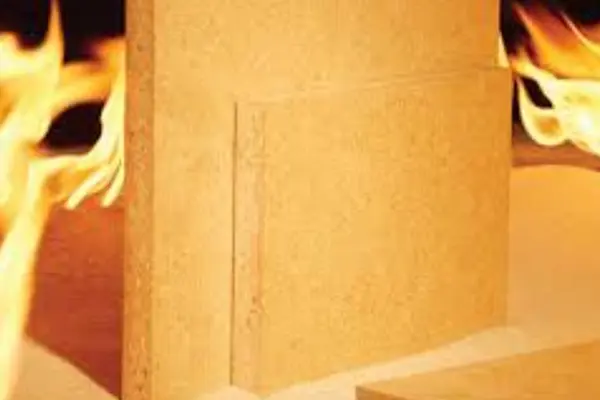
The Structure of Particle Board
Particle board is made by compressing wood particles and bonding them with synthetic resins, such as urea-formaldehyde or phenolic resin. The resulting material is relatively dense and uniform, but it lacks the structural integrity and durability of natural wood. While it is an affordable and versatile material, it is more susceptible to moisture and temperature fluctuations than solid wood.
How Heat Affects Particle Board
Heat can have various effects on particle boards, but the most significant concern is its potential to cause warping, swelling, or softening of the material. The reason heat impacts particle boards is because of the way it is manufactured. The resin used in the bonding process can soften or degrade under high temperatures, which can lead to changes in the material’s shape and stability.
In addition to the direct impact of heat, temperature fluctuations can affect the moisture content of the material. Particle boards are highly sensitive to humidity because the wood particles it is made from can absorb or release moisture depending on the surrounding environment. When the board absorbs moisture and is then exposed to heat, the expansion and contraction of the wood particles can lead to warping, bending, or even delamination (separation of layers).
The key factors that contribute to particle board warping under heat include:
- Temperature Extremes: Prolonged exposure to high temperatures can cause the resin binding the board to soften, weakening its structural integrity. This makes the material more prone to warping or bending.
- Moisture Content: Heat can exacerbate issues with moisture absorption. In humid conditions, particle boards may absorb moisture, which can then expand when exposed to heat. The uneven expansion of wood particles can cause the board to warp.
- Resin Degradation: Particle board is often bonded using resins that are sensitive to heat. High temperatures can cause these resins to break down or lose their adhesive properties, which compromises the strength and stability of the board.
- Surface Coatings: The particle board is often finished with a veneer or laminate for aesthetics and protection. Heat can cause the surface coating to peel, bubble, or crack, which not only affects the appearance but can also lead to further structural issues.
Preventing Warping Due to Heat
While particle board is more vulnerable to warping than solid wood or plywood, some steps can be taken to minimize the risk of damage from heat:
- Use in Controlled Environments: One of the best ways to protect particle boards from heat-related warping is by ensuring it is used in environments with stable temperature and humidity levels. Avoid exposing particle boards to direct sunlight, heat sources (like radiators or ovens), or extreme temperature fluctuations.
- Moisture Control: Since moisture is a key factor in warping, it is important to keep particle boards in dry conditions. If the material becomes wet, allow it to dry gradually to prevent rapid changes in moisture content that could lead to warping.
- Proper Sealing: Applying a protective sealant or laminate can help reduce the impact of moisture and heat on the particle board. These coatings act as a barrier, preventing moisture from penetrating the surface and minimizing the risk of warping due to temperature changes.
- Use of Heat-Resistant Materials: If particle board is going to be used in areas that are exposed to higher temperatures, such as near stoves or heaters, it is worth considering using materials designed to withstand heat better, such as plywood or MDF (Medium Density Fiberboard). Alternatively, heat-resistant finishes can be applied to particle boards to improve their resistance.
- Ventilation: Good airflow and ventilation around the particle board can help regulate temperature and moisture levels, reducing the risk of thermal expansion or contraction.
Conclusion
Particle board is a versatile and cost-effective material that is widely used in construction and furniture making. However, it is susceptible to warping under high heat or fluctuating temperatures, primarily due to the nature of its composition and the resins used to bind it. Heat can soften the resin, exacerbate moisture absorption, and ultimately lead to the warping of the board.
To mitigate these issues, it is important to use particle boards in stable environments with controlled temperature and humidity levels, apply protective coatings, and ensure proper ventilation. While particle board is not as resistant to heat as solid wood or other materials, with the right care and consideration, its performance can be optimized, reducing the likelihood of warping and extending its lifespan in a variety of applications.
Post time: 11-28-2024