Medium Density Fiberboard, or MDF, is a popular and versatile material in furniture making, cabinetry, and interior design. As a manufacturer with multiple production lines here in China, specializing in wood-based panel products like MDF, I’m Allen, and I’ve seen firsthand its widespread adoption across markets like the USA, North America, Europe, and Australia. However, one common question I often hear from clients, whether they are large furniture manufacturers or interior designers, is about its performance in the presence of moisture. Standard MDF is not inherently waterproof, and this article is dedicated to exploring effective methods to enhance its water resistance. We’ll delve into why waterproofing is essential, the different approaches you can take – from primer and paint to specialized sealants like varnish or polyurethane – and how to apply them correctly. Understanding these techniques will help you protect your MDF projects, ensuring longevity and durability, especially when you use MDF in environments prone to humidity or occasional spills. This guide aims to provide clear, practical advice, drawing from years of experience in the industry, to help you make MDF projects that can better withstand threats of moisture.
What Exactly is MDF and Why Isn’t It Naturally Waterproof?
Let’s start with the basics. MDF, or Medium Density Fiberboard, is an engineered wood product. We manufacture it by breaking down hardwood or softwood residuals into fine wood fibers, combining them with wax and a resin binder, and then forming panels by applying high temperature and pressure. This process results in a very dense, smooth, and uniform board, free of knots or grain patterns, which makes MDF an excellent substrate for veneers, laminates, or a smooth paint finish. Many of our clients, from cabinet makers to construction companies, appreciate MDF for its consistency and workability.
However, the very nature of its composition – fine wood fibers – makes standard MDF susceptible to moisture. Think of it like a very dense sponge; if water gets in, those fibers will absorb it. This absorption can cause the MDF to swell, lose its structural integrity, and can even lead to delamination or mold growth over time. Unlike solid wood, which has a natural grain structure that can offer some resistance, the fine, evenly distributed fibers in MDF readily wick up water. That’s why, in its raw state, MDF is not recommended for areas with high moisture or direct water contact without proper treatment. Understanding this characteristic is the first step in learning how to effectively protect your MDF wood projects.
Why is Waterproofing MDF Crucial for Longevity and Performance?
Protecting MDF from moisture is not just about preventing unsightly swelling; it’s about ensuring the longevity and structural performance of the final product. Imagine a beautiful kitchen cabinet or a bathroom vanity made from MDF. These are areas constantly exposed to steam, splashes, and high humidity. Without adequate protection, the MDF components could quickly degrade, leading to costly repairs or replacements. For furniture manufacturers or shop fitters, the reputation of their products hinges on durability. Using properly treated MDF means their creations can withstand the rigors of daily use in various environments.
Furthermore, moisture ingress can compromise the finish of your MDF project. If water seeps under the paint or laminate, it can cause bubbling, peeling, or discoloration. This is a particular concern for our customers who purchase decorative melamine paper for lamination. The lamination quality is paramount, and it starts with a stable, moisture-resistant MDF core. Therefore, taking steps to make your MDF water resistant is a critical investment in the quality and lifespan of your work. It ensures that the precision and beauty you craft into your MDF pieces are preserved, even when facing threats of moisture and humidity.
Can Standard MDF Truly Be Made Waterproof, or Just Water Resistant?
This is a very important distinction to make. When we talk about "waterproofing" standard MDF, it’s more accurate to say we are making it highly water-resistant. Achieving a truly waterproof state, where the MDF could be submerged indefinitely without any effect, is extremely difficult and often impractical with standard MDF using typical coatings. The goal of the methods we’ll discuss is to create a barrier that prevents moisture from penetrating the MDF core during normal use and exposure to damp conditions. This barrier significantly reduces the risk of swelling, warping, or other moisture-related damage.
Think of it as giving the MDF a very good raincoat. It will protect it from rain (spills, humidity), but you probably wouldn’t go swimming in it. For most applications, achieving a high level of water resistance is perfectly adequate. For example, kitchen cabinets, bathroom vanities (not shower interiors), and furniture in humid climates can perform exceptionally well if the MDF is properly sealed. There are specialized MDF products, often called MR MDF (Moisture Resistant MDF), which are manufactured with different resins to offer better inherent moisture resistance, but even these benefit from additional sealing in very wet areas. So, while "truly waterproof MDF" from a standard board is a tall order, making MDF highly water-resistant and suitable for many moisture-prone applications is definitely achievable.
What are the Best Primers for Preparing MDF for Waterproofing?
The first crucial step in any MDF finishing process, especially when aiming for water resistance, is priming. MDF has a very absorbent surface, particularly its edges. If you apply paint or a topcoat directly, the MDF will soak it up unevenly, leading to a patchy finish and, more importantly, insufficient protection. A good primer seals the MDF surface, provides a uniform base for subsequent coats, and improves adhesion. This initial sealing is fundamental to make the MDF less susceptible to moisture.
When choosing a primer for MDF, it’s best to opt for a solvent-based (oil-based or shellac-based) primer. While water-based primers have improved, solvent-based options generally offer better sealing against moisture for MDF and prevent the wood fibers from raising as much. A primer designed specifically for MDF is an excellent choice as it’s formulated to handle the unique properties of MDF. Some professionals also use a latex primer, but ensure it’s a high-quality one and test it first. The key is to create a non-porous barrier. Applying a good primer is the foundation upon which your water-resistant finish will be built, making it a non-negotiable step for any MDF project destined for potentially damp conditions.
How Do You Properly Apply Primer to MDF for Maximum Water Resistance?
Proper application of primer is just as important as choosing the right type. Before you even think about opening the primer can, ensure your MDF surface is clean, dry, and smooth. Lightly sand the MDF with fine-grit sandpaper (around 180-220 grit) and wipe away all dust. Pay special attention to the edges of the MDF, as they are the most porous part. It’s often recommended to apply an extra coat of primer to the edges or use a special edge sealant before priming the faces.
When you apply the primer, aim for thin, even coats rather than one thick coat. You can use a brush, roller to apply the primer, or a sprayer. If using a brush or roller, work in one direction, then lightly go over it in the perpendicular direction to ensure even coverage. Allow the first coat of primer to dry completely according to the manufacturer’s instructions – this is crucial. Once dry, lightly sand the primed surface again with fine-grit sandpaper to knock down any raised fibers and create a super-smooth base for your paint or topcoat. Then, apply a second coat of primer. Two good coats of primer, properly applied and sanded, will significantly enhance the MDF‘s ability to withstand moisture in high humidity areas. This meticulous preparation is key when you use MDF for projects like bathroom cabinets or kitchen units.
Which Types of Paint Offer the Best Waterproof Protection for MDF Wood?
Once your MDF is properly primed, the next layer of defense is the paint itself. Not all paints are created equal when it comes to moisture protection. For MDF wood projects that need to be water-resistant, you’ll want to choose a paint known for its durability and sealing properties. Oil-based (alkyd) paints have traditionally been favored for their hardness and water resistance. They create a tough, non-porous film that is excellent at blocking moisture. However, they can have strong odors, longer drying times, and require mineral spirits for cleanup.
Modern acrylic latex paints, especially high-quality 100% acrylic formulations designed for kitchens and bathrooms, offer excellent moisture resistance, good adhesion, and easier cleanup. These are often labeled as "moisture-resistant paint." They are more flexible than oil-based paints, which can be an advantage as MDF can experience minor expansion and contraction. When applying paint, use a good quality brush or roller. You might want to use a paintbrush to paint the corners and edges first, then use a roller for the larger flat surfaces. Apply at least two topcoats of paint, allowing each coat to dry thoroughly and lightly sanding between coats (if recommended by the paint manufacturer) for the best finish and protection. The goal is to build up an impermeable layer of paint or sealant over the primer.
Exploring Sealants: Is Varnish, Polyurethane, or Lacquer Better for MDF?
Beyond paint, or sometimes in conjunction with it, various clear sealants can provide robust waterproof protection for MDF. The main contenders are varnish, polyurethane, and lacquer. Each has its pros and cons, and the best choice often depends on the specific application and desired finish for your MDF project. As a factory producing materials like Raw Plain MDF Board, we see these finishes applied to achieve various levels of durability.
Varnish, particularly spar varnish (or marine varnish), is designed for outdoor and marine applications and offers excellent water resistance and UV protection. It’s flexible and can withstand temperature changes. Oil-based varnishes are generally more durable than water-based ones for this purpose. Polyurethane is another popular choice. It’s available in both oil-based and water-based formulations. Oil-based polyurethane provides a very durable, scratch-resistant, and water-resistant finish, often with a slight amber hue. Water-based polyurethane dries clear, has lower odor, and cleans up with water, but may require more coats for the same level of protection. Lacquer provides a very hard, high-gloss finish and dries quickly. However, it can be less durable than polyurethane or varnish in terms of scratch and water resistance over the long term, and some types can be prone to yellowing. For most MDF applications requiring good water resistance, polyurethane (especially oil-based) or a good quality varnish are often the preferred choices. It’s about creating a robust sealant layer.
Step-by-Step: How to Effectively Use Polyurethane to Waterproof MDF
Polyurethane is a fantastic sealant for enhancing the water resistance of MDF, and applying it correctly is key to its effectiveness. Let’s say you’ve already primed your MDF (a crucial step we’ve discussed). Here’s a general guide:
- Preparation is Paramount: Ensure your primed MDF surface is perfectly clean, dry, and free of any dust. If you’ve painted the MDF, make sure the paint is fully cured. Lightly sand the primed or painted surface with very fine-grit sandpaper (220 grit or higher) and wipe clean with a tack cloth. This helps with adhesion of the polyurethane.
- Stir, Don’t Shake: Gently stir the polyurethane before and during application. Shaking can introduce air bubbles that will mar your finish.
- Application – Thin Coats are Best: Apply a thin, even coat of polyurethane using a high-quality natural bristle brush (for oil-based poly) or a synthetic brush (for water-based poly). A foam brush or even a rag (for wipe-on poly) can also be used. Work in the direction of any perceived grain or along the longest dimension of the MDF. Avoid over-brushing.
- Drying Time: Let the first coat dry completely as per the manufacturer’s instructions. This can vary significantly based on the type of polyurethane and environmental conditions (temperature and humidity).
- Sand Between Coats: Once dry, lightly sand the surface with very fine sandpaper (220-320 grit). This removes any imperfections and creates a smoother surface for the next coat. Wipe away all sanding dust thoroughly.
- Apply Subsequent Coats: Apply a second, and ideally a third, coat of polyurethane, sanding lightly between each fully dried coat. Three thin coats are generally better than one or two thick ones for creating a durable, water-resistant seal. Pay extra attention to the edges of the MDF, ensuring they are well sealed, perhaps even applying an extra coat there. When you use waterborne polyurethane, drying times might be faster.
This methodical approach, using polyurethane, will significantly make the MDF more resistant to moisture, protecting your cabinet or furniture project for years to come.

Are There Specialized Waterproof MDF Products Available, Like MR MDF?
Yes, absolutely! While the methods we’ve discussed focus on treating standard MDF, the industry has also developed specialized types of MDF with enhanced moisture resistance built-in. The most common of these is MR MDF, which stands for Moisture Resistant MDF. We, as manufacturers, produce MR MDF by using a special moisture-resistant resin binder during the manufacturing process. This doesn’t make the MDF completely waterproof to the point of being submersible, but it significantly reduces its tendency to absorb moisture and swell in humid conditions compared to standard grade MDF.
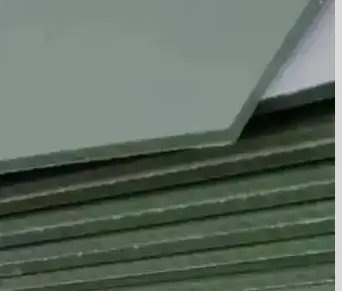
MR MDF is often dyed green for identification purposes (though the green color itself doesn’t provide the resistance; it’s the resin). It’s an excellent choice for applications in areas with higher humidity, such as kitchens, bathrooms (not in direct shower contact), laundry rooms, and for baseboards or window sills. While MR MDF offers better inherent protection, it’s still highly recommended to seal and paint or finish it, especially on any cut edges, to maximize its lifespan and performance. For projects demanding a higher degree of moisture tolerance from the base material itself, specifying MR MDF is a smart move. It provides a better foundation for your waterproofing efforts, helping to withstand moisture in high humidity areas more effectively. This type of wood composite is engineered to perform.
Advanced Techniques: Using Epoxy Resin or Fiberglass for Ultimate MDF Protection
For projects requiring the highest level of waterproof protection for MDF, going beyond standard paints and sealants might be necessary. Two advanced techniques involve using epoxy resin or fiberglass resin. These methods create an incredibly durable, hard, and impermeable coating that can make MDF virtually impervious to water, suitable even for some applications with direct contact with moisture.
Epoxy resin is a two-part system (a resin and a hardener) that, when mixed, cures to a very strong, plastic-like coating. It can be brushed, rolled, or poured onto the MDF surface. Epoxy fills pores and creates a thick, seamless barrier. It’s excellent for countertops, tabletops, or even a cabinet in a very wet area. It’s important to ensure the MDF is clean and dry before applying epoxy, and multiple coats may be needed. The finish can be very glossy and is highly resistant to scratches and chemicals as well as water. Many of our clients looking for robust melamine MDF boards for demanding applications sometimes consider adding such coatings for extreme conditions.
Fiberglass resin (polyester resin) combined with fiberglass cloth is another heavy-duty option, often used in boat building or automotive repairs. This creates a composite layer over the MDF, essentially encasing it in plastic. While incredibly effective for waterproofing, it’s a more complex and labor-intensive process. Both epoxy and fiberglass applications require good ventilation and proper safety precautions. These are more specialized approaches to waterproofing MDF but offer unparalleled protection when maximum water resistance is non-negotiable.
What Are Common Mistakes to Avoid When Trying to Make MDF Waterproof?
Even with the best intentions and materials, certain mistakes can undermine your efforts to make MDF waterproof or at least highly water-resistant. As someone who has seen many MDF projects, I can share some common pitfalls:
- Skipping or Skimping on Primer: This is probably the most frequent error. MDF needs a good primer to seal its absorbent surface. Applying paint or sealant directly to raw MDF will lead to poor adhesion, an uneven finish, and insufficient moisture protection. Always apply the primer thoroughly.
- Not Sealing Edges Properly: The edges of MDF are like straws, eager to suck up any moisture. Failing to adequately seal the edges with extra primer, paint, or a dedicated sealant is a major oversight. This is where water damage often starts.
- Applying Coats Too Thickly or Rushing Drying Times: Patience is a virtue in finishing. Thick coats of paint or sealant don’t dry properly, can sag or drip, and may not cure to their full hardness or protective capability. Always allow adequate drying time between coats as per the manufacturer’s instructions.
- Ignoring Surface Preparation: A clean, smooth, dry surface is essential for any finish to adhere properly. Not sanding or cleaning the MDF before priming or between coats can lead to a poor bond and a flawed finish. To sand the MDF appropriately is a key step.
- Using the Wrong Products: Choosing a standard interior wall paint for a bathroom vanity made of MDF, for example, is asking for trouble. Use products rated for moisture-prone areas or specifically designed for sealing wood composites. A simple varnish or stain might not be enough; a good wood sealant like polyurethane is often better.
- Expecting Standard MDF to Become Fully Submersible: Understanding the limitations is key. While you can make MDF highly water-resistant, standard MDF is not designed for prolonged submersion, even when sealed. For such applications, alternative materials or specialized waterproof MDF variants combined with robust sealing are needed.
Avoiding these mistakes will greatly improve the success of your MDF waterproofing projects and ensure your MDF pieces can withstand the challenges of humidity.
Achieving a Perfect Finish: Tips for a Gloss Look on Your Waterproofed MDF
Once you’ve successfully waterproofed your MDF project, you might want a specific aesthetic, like a sleek, high-gloss finish. Achieving a beautiful gloss look on MDF requires careful preparation and application, building upon the waterproofing layers. The smoothness of MDF makes it an ideal candidate for such finishes, but every step needs to be meticulous. This is particularly true if you’re aiming for a professional look for furniture or high-end cabinetry.
First, the foundation laid by your primer and initial paint coats is critical. The surface must be impeccably smooth. After your final color coat of paint is fully cured, you can build the gloss with a clear topcoat. High-quality polyurethane (often oil-based for a harder, higher gloss) or a specialized lacquer are good choices. Apply multiple thin coats, sanding very lightly between each dry coat with ultra-fine sandpaper (600 grit or finer). The key is to build up the layers smoothly. Use a good quality brush or roller, or for the ultimate gloss, consider spraying the topcoat. After the final layer of paint or clear coat has fully cured (which can take several days or even weeks for some products to achieve maximum hardness), you can enhance the gloss further. This involves polishing the surface. Use a fine automotive polish or a specialized furniture polish and a soft cloth, working in circular motions. This process will buff the surface to a mirror-like shine. Achieving a perfect gloss on MDF takes time and effort, but the stunning, durable, and water-resistant result is well worth it for any MDF creation. Remember, it’s the attention to detail in each coat that contributes to the final gloss.
As a manufacturer of professional decorative materials, we understand the importance of both functionality and aesthetics. Properly sealing and finishing your MDF not only protects it but also enhances its beauty.
Key Takeaways for Waterproofing MDF:
- Understand MDF: Standard MDF is not naturally waterproof due to its wood fiber composition, making it prone to swell when exposed to moisture.
- Priming is Essential: Always use a good quality primer, preferably solvent-based or a primer designed specifically for MDF, applying at least two coats, especially on edges.
- Choose the Right Paint/Sealant: Opt for moisture-resistant paint (like acrylic or oil-based enamel) or dedicated sealants such as polyurethane varnish, or epoxy resin for robust protection.
- Proper Application: Apply thin, even coats of primer, paint, and sealant. Allow adequate drying time between coats and sand lightly for a smooth finish.
- Edges are Critical: Pay extra attention to the edges of the MDF as they are the most vulnerable to moisture absorption. Ensure they are thoroughly sealed.
- Consider MR MDF: For applications in high humidity areas, start with Moisture Resistant MDF (MR MDF) for an added layer of protection.
- Water-Resistant, Not Waterproof: For standard MDF, the goal is to achieve high water resistance, not complete immunity to prolonged submersion.
- Advanced Options: For extreme conditions, epoxy or fiberglass resin can offer near-complete waterproof barriers for MDF.
- Avoid Common Mistakes: Don’t skip priming, ensure edges are sealed, allow proper drying, and use appropriate products to make mdf projects last.
By following these effective methods, you can significantly enhance the durability and lifespan of your MDF projects, ensuring they can withstand threats of moisture and humidity and maintain their quality for years to come. This is crucial whether you’re a DIY enthusiast or a professional in the woodworking industry.
Post time: 05-20-2025