Have you ever walked into a newly furnished room and felt your eyes water? That sharp, unpleasant smell usually comes from the materials used to build the cabinets and shelves. For a long time, the global building sector struggled with this exact problem. Today, smart procurement directors and builders demand better. They want clean air. They want safe materials. They know that choosing the right substrate makes all the difference.
This guide breaks down exactly what you need to know about the lowest emission materials on the market. We will look at how a simple sheet of pressed wood can either make or break an entire project. If you buy materials for large-scale building jobs, you cannot afford to ignore these rules. Clean air regulations are getting tighter every year. Let’s explore how you can stay ahead of the curve and keep your projects safe.
What Exactly Are Formaldehyde Emission Standards in the Wood Industry?
To understand the rules, we first need to understand the science. Put simply, formaldehyde is a chemical that is naturally occurring but also heavily manufactured. In the wood industry, it is a key ingredient in the adhesives that hold pressed panels together. It is a volatile organic compound, meaning it turns into a gas at room temperature.
When a factory presses fibers together to make a panel, the adhesive cures. However, trace amounts of the gas can slowly leak out over time. This slow leak is bad news because it is harmful to human health. Long-term exposure in a closed room can cause respiratory issues.
Because of this risk, governments stepped in. They created strict formaldehyde emission standards. These regulations set a legal limit on how much gas a wood panel is allowed to release. If a product releases too much gas, it cannot be sold. This ensures that the air inside homes and offices stays fresh and safe to breathe.
E0 vs. E1 vs. E2: What Is the Real Difference in Formaldehyde Emission?
When you look at a catalog from a supplier, you will see different letters and numbers. These codes tell you how safe the board is.
Let us start with E2. An E2 sheet releases a high amount of gas. Decades ago, this was common. Today, E2 is heavily restricted. You should never use it for interior spaces. It is sometimes used for outdoor packaging, but even that is rare now.
Next is E1. This is the widely accepted global baseline. An E1 sheet is safe for general indoor use. Most average items you buy are made from this. It balances cost and safety well. You can find great options like our E1 Glue HDF PLAIN MDF BOARD that meet these exact rules perfectly.
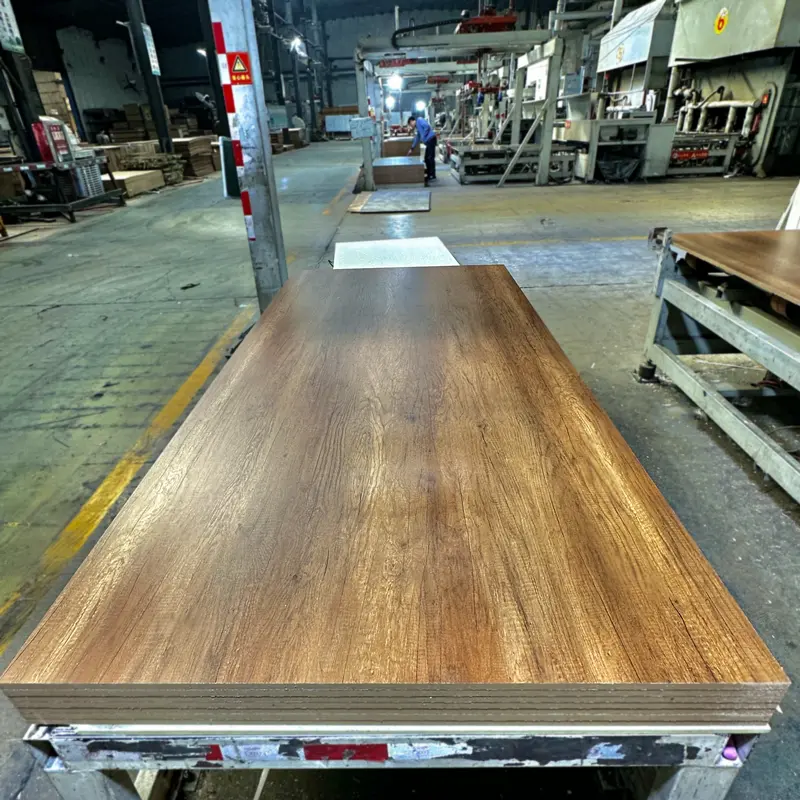
Finally, we have the top tier. The formaldehyde emission rate for this level is virtually zero. It is the strictest rating available. When you buy this, you are getting the safest option possible. This top-level rating gives buyers total peace of mind.
Why is the E0 Standard Crucial for Modern Furniture and Interior Design?
Modern interior design focuses heavily on wellness. People want their homes to be a sanctuary. The E0 standard guarantees that the materials inside the house will not compromise the air quality.
Think about a newborn baby’s nursery. You would never want toxic fumes near a crib. This is why high-end furniture brands insist on the lowest possible emissions. They use these safe boards for everything from beds to cabinetry. It is a major selling point in home decoration.
Using these premium materials actively prevents indoor pollution. As a buyer, choosing this E0 grade means you care about the end user. It elevates your brand. Customers are getting smarter. They read labels. They know what is safe. Providing them with a clean, safe product builds immense trust.
How Can You Verify an E0 Grade Board from a China Supplier?
Importing materials requires caution. If you buy from a China-based supplier, you need solid proof of their claims. You cannot just trust a label. You must verify everything.
First, ask the manufacturer for a lab report. Real testing labs issue clear certificates. You want to see results from recognized third-party testers. If they claim it is ultra-safe, the report will show the exact gas release numbers.
Second, ask for a physical sample. While you cannot test a sample by smelling it, you can check its density and finish.
Third, look for traceability. A good factory tracks every single batch. If a problem occurs, they can trace it back to the exact day of production. If your partner cannot verify their supply chain, walk away. You can also ask if they hold a CARB P2 certificate, which is a very strict US rule.
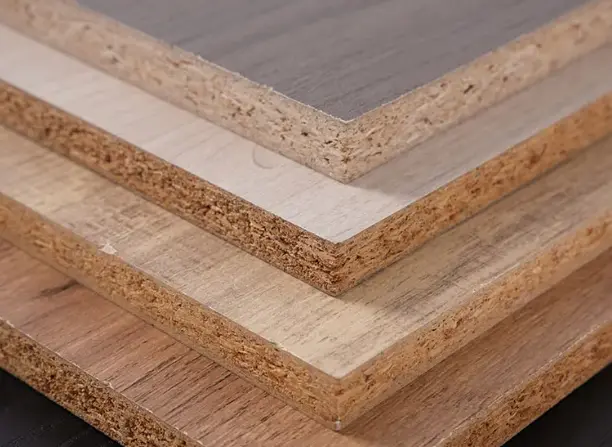
Are Melamine and Plywood Products Available in E0 Formaldehyde Levels?
Absolutely. Many people mistakenly think only raw fiberboards can be ultra-safe. This is entirely false. You can easily source a highly decorative product that meets the strictest rules.
Take melamine sheets, for example. The core might be a super clean MDF. We then apply a decorative paper on top. The top coating actually helps seal the surface, trapping any tiny remaining gases inside. You can check out our Factory High-Quality Melamine Mdf Board for a great example of this process.
The same goes for plywood. High-end plywood uses special soy-based or advanced synthetic resins. These clean resins ensure the final layers are incredibly safe. For kitchen builders, we highly recommend our Factory Provide Melamine plywood 12mm for Furniture Cabinet Kitchen wardrobe. It offers amazing strength without any of the toxic fumes.
What Makes E0 Particle Board Better Than Industrial Options?
Let us compare a standard particle board against a raw industrial sheet. They might look similar on the outside, but their chemistry is totally different.
A basic industrial chipboard is made for rough construction. It uses cheap adhesives. It might release strong fumes. You would never want this in a bedroom. It is meant to be hidden away or used outside.
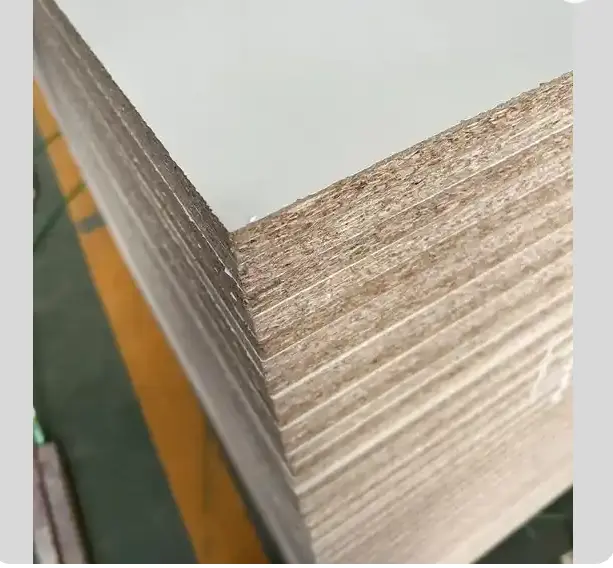
An E0 particleboard, however, is refined. It uses expensive, clean adhesives. It is designed specifically for human spaces. It is the perfect core for daily-use items like desks and bookshelves. You can explore our Wholesales Melamine chipboard wood grain solid color to see how beautiful and safe these materials can be. The clean material makes it a massive upgrade over basic, rough sheets.
How Does the Production Mill Ensure Low Formaldehyde in Wood Products?
The secret lies entirely at the mill. Long before the wood becomes a flat sheet, the chemistry is carefully managed.
During production, the raw wood fibers are dried. Then, they are mixed with a very specific glue. To achieve an e0 formaldehyde rating, the glue must be advanced. Often, they use MDI resins or specially scavenged urea-formaldehyde resins that catch stray gas molecules.
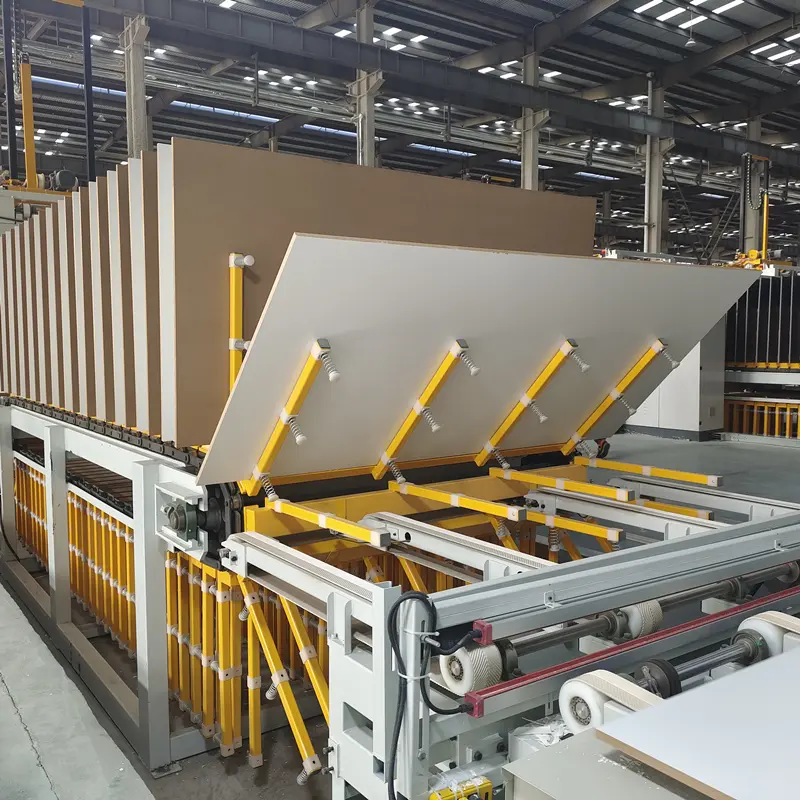
The core of the board is then pressed under massive heat. The heat cures the resin instantly. The factory constantly tests the air around the press. Whether they are making MDF, OSB, or solid wooden pieces, the process is heavily monitored. This strict control guarantees that all wood products leaving the line are perfectly safe.
Why is Choosing a Reputable Manufacturer Important for Delivery and Quality Control?
Your business relies on consistency. A delayed shipment can ruin a massive project. A bad batch of material can lead to huge fines. This is why you must partner with a reputable source.
A reliable partner has strict quality control. They do not guess; they test. Every sheet is checked. When you order a premium selection, they ensure it meets your exact specifications.
Furthermore, a good partner guarantees smooth delivery. They understand the complex paperwork needed for export. They know that customs officials will check the emission certificates. If the paperwork is wrong, your container gets stuck. Working with professionals ensures your quality products arrive on time, every single time.
Is E0 Board Compliant for US Residential and Commercial Projects?
Yes, without a doubt. If you are bringing materials into the United States, you face very tough rules. The EPA and CARB tightly control what crosses the border.
Choosing this top-tier board means you are fully compliant. It exceeds the basic requirement for almost every state. Whether you are building a large commercial office complex or a small residential kitchen, this is the smart choice.
It also meets the highest environmental standards. Builders love it because it helps them earn green building credits. For any import business, avoiding legal trouble is the main goal. By choosing these ultra-clean materials, you protect your business, your clients, and the environment.
Summary
- Formaldehyde is a chemical used in panel resins, and extreme exposure is harmful to human health.
- Strict formaldehyde emission standards put a strict limit on off-gassing to stop indoor pollution.
- E2 is mostly banned for interiors, E1 is the standard, and the top-tier E0 grade offers the cleanest air.
- You must always verify your supplier through lab testing and proper traceability for every batch.
- You can easily find plywood and melamine-faced MDF that meet these strict clean air rules.
- A clean particle board is far superior to cheap industrial options for safe home decoration.
- A reputable manufacturer ensures strict quality control, reliable delivery, and totally compliant export documents.
Post time: 06-23-2026