So, you’re thinking about using MDF in a bathroom or another area prone to moisture? You’ve probably heard about Moisture Resistant MDF (often called MR MDF) and are wondering if it’s the magic waterproof MDF solution you need. Can you confidently install that MDF bead board near the tub? Will it seal out dampness and prevent swelling? This article dives deep into the world of MR MDF sheets, exploring their capabilities, limitations, and best practices for use, especially in high-humidity zones. We’ll look at how it’s made, how to further waterproof it, and if it’s truly the right choice for your project. As Allen, with years of experience in our factory specializing in wood-based panels like MDF and decorative materials, I’ve seen it all, and I’m here to share practical insights to help you make informed decisions. This isn’t just another technical read; it’s a guide to help you get the best results, whether you’re a seasoned professional or a DIY enthusiast.
1. What Exactly is Standard MDF, and Why Does it Hate Water?
Let’s start with the basics. MDF, which stands for Medium Density Fibreboard, is an engineered wood product. We manufacture it by breaking down hardwood or softwood residuals into fine wood fibers, combining them with wax and a resin binder, and then forming panels by applying high temperature and pressure. The result is a sheet of MDF that is dense, flat, stiff, and has no knots or grain patterns, making it smooth and easy to finish. Standard MDF is fantastic for many applications like furniture, cabinetry, and shelving, especially when you need a consistent and easily machinable material. I’ve seen countless beautiful pieces of furniture crafted from our standard MDF boards.
However, standard MDF has an Achilles’ heel: moisture. The wood fibers, even when bound with resin, are still hygroscopic, meaning they readily absorb water. When standard MDF gets wet, the fibers swell, and the board can lose its structural integrity, bulge, and even delaminate. It doesn’t just take a direct soak; even high ambient humidity over time can cause problems. This is why using standard MDF in areas like bathrooms or basements without proper precautions is generally unsuitable. The core quality of the MDF is crucial, but even the best standard MDF isn’t designed to fight off persistent dampness.
Think of it like a sponge. A dry sponge is great, but a wet one? Not so much for building. That’s standard MDF when faced with water. This characteristic makes it a less-than-ideal choice for environments where it might encounter splashes, steam, or persistent high humidity. This is a common concern for many of our customers, like Mark Thompson from the USA, who are always looking for materials that balance cost-effectiveness with durability for their furniture and cabinet lines.
2. Introducing MR MDF: The Champion for Damp Spaces?
Enter Moisture Resistant MDF, or MR MDF as it’s commonly known in the trade. This isn’t your everyday MDF sheet. It’s specifically engineered to perform better in environments where occasional moisture or high humidity is a concern. You’ll often see it dyed green, though this is just for identification and doesn’t contribute to its moisture-resistant properties itself. The real magic lies in the type of resin used during its manufacture.
So, is MR MDF the ultimate champion for damp spaces? It’s certainly a much stronger contender than standard MDF. It’s designed to resist swelling and loss of strength when exposed to moisture, making it a far more suitable option for places like bathrooms, kitchens, laundry rooms, and even some commercial applications where humidity levels can fluctuate. We often recommend Custom Raw Plain MDF Board 0.8mm-25mm for projects that will be properly sealed, but for inherently humid areas, MR MDF provides an added layer of security.
However, it’s crucial to understand that "moisture resistant" does not mean "waterproof." MR MDF can withstand occasional splashes and high humidity much better than standard MDF, but it’s not designed to be constantly wet or submerged. Think of it as wearing a water-resistant jacket in a light shower versus jumping into a swimming pool. The jacket will keep you dry for a while, but it won’t hold up to a soak. Similarly, MR MDF provides a significant upgrade in moisture tolerance, but it still has its limits.
3. How is Moisture Resistant MDF (MR MDF) Manufactured for Better Performance?
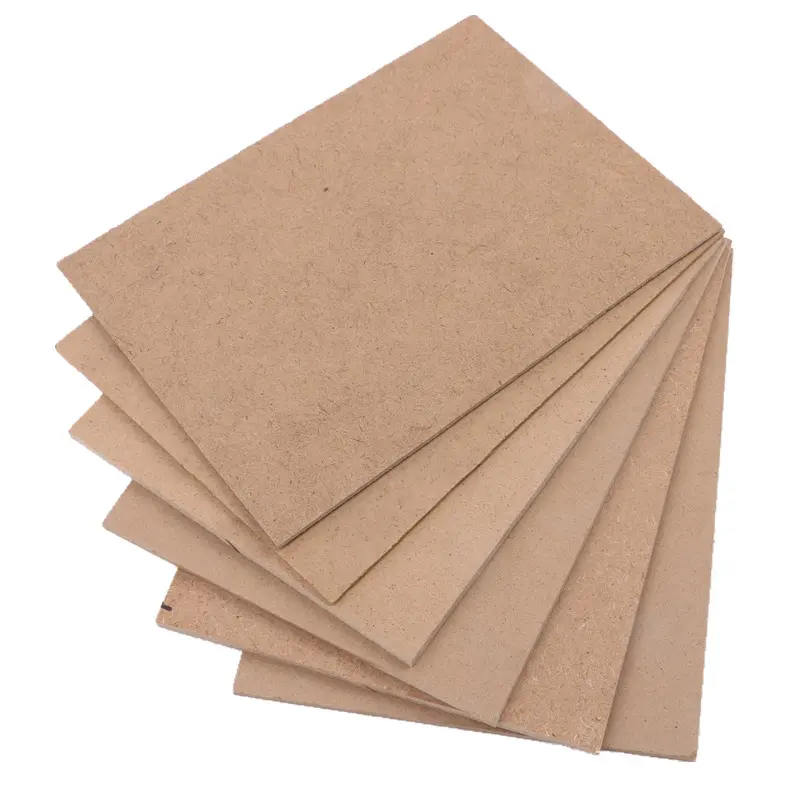
The secret to MR MDF’s enhanced performance in humid conditions lies in its composition, specifically the adhesive resin used to bond the wood fibers together. While standard MDF typically uses a urea-formaldehyde resin, MR MDF (like Medite MR) employs a special moisture-repellent resin, often a melamine-urea formaldehyde (MUF) or a phenolic resin. These resins have a much higher resistance to moisture penetration.
During the manufacture of MR MDF, these specialized resins create a stronger, more water-resistant bond between the wood fibers. This means that when the MDF sheet is exposed to humidity or accidental wetting, the fibers are less likely to absorb water and swell. The density of MR MDF is also often slightly higher than standard MDF, which can contribute to its improved durability and resistance. At our factory, we ensure strict quality control over the resin impregnation and pressing process to guarantee consistent moisture resistant properties across every MDF board.
It’s this advanced bonding agent that allows MR MDF to maintain its structural integrity and dimensional stability far better than standard MDF when faced with the challenges of a damp environment. While it still contains wood fibers that are inherently susceptible to moisture to some degree, the specialized resin significantly mitigates this vulnerability. This makes MR MDF a reliable base material for applications requiring a higher degree of moisture tolerance, such as in a kitchen or bathroom.
4. Can You Realistically Use MR MDF in a Bathroom Environment?
Yes, you absolutely can use MR MDF in a bathroom environment, and many do so successfully! It’s a popular choice for bathroom vanities, cabinet doors, shelving, paneling like MDF beadboard, and even baseboard or trim. The key is to use it correctly and understand its limitations. As I always tell my clients, including those like Mark who are looking for reliable materials for their projects, MR MDF is a fantastic and cost-effective solution for many parts of a bathroom, but not all.
Where it shines is in areas that experience intermittent moisture, steam, and high humidity – think general wall paneling, vanity units away from direct and constant water flow, or cupboard interiors. For example, an 18mm MR MDF sheet is a common choice for constructing sturdy bathroom cabinets. However, you would use it with caution in places that are constantly wet, like inside a shower enclosure or directly around the edge of a tub where water might pool without a proper seal.
The success of using MR MDF in a bathroom heavily relies on proper sealing and finishing, which we’ll discuss in more detail. If the edges and surfaces are not thoroughly protected, moisture can eventually find its way in, even with MR MDF. So, while it’s a suitable material for many bathroom applications due to its moisture resistant nature, it requires thoughtful design and meticulous preparation to ensure long-term durability. We even see it used in boutique hotel bathrooms and spa areas for decorative paneling, provided it’s correctly treated.
5. Is MR MDF Genuinely Waterproof, or Just Resistant? Understanding the Difference.
This is a critical distinction that often causes confusion. MR MDF is moisture resistant, not waterproof mdf in the truest sense of the word. "Resistant" means it can fend off moisture for a period and is less prone to damage from humidity and occasional wetting compared to standard MDF. "Waterproof," on the other hand, implies an impervious barrier that water cannot penetrate, even with prolonged exposure.
Think of it this way: MR MDF is like a good raincoat. It will keep you dry in the rain for a while, but if you stand in a downpour for hours or go for a swim, you’ll get wet. Truly waterproof materials for construction might include things like PVC panels, tile, or specially treated marine plywood. These materials are designed to handle direct and continuous contact with water. While MR MDF is an excellent choice for high-humidity areas, it won’t perform like these waterproof alternatives if constantly soaked.
So, if you’re looking for a waterproof mdf that you can submerge or leave exposed to constant drenching, MR MDF alone isn’t the answer. Its enhanced resin system significantly slows down moisture absorption and reduces swelling, making it durable in damp conditions, but it isn’t a complete seal on its own. For sustained water exposure, you’d need to either choose a different material or apply a robust waterproof coating or laminate to the MR MDF sheet. Many of our clients, especially those in the kitchen and bathroom cabinet industry, understand this and use MR MDF as a stable core, often pairing it with melamine finishes like those found in our Factory Price Wood Grain Melamine MDF Board for added surface protection.
6. Essential Steps: How Do You Properly Seal and Waterproof MR MDF for Bathroom Use?
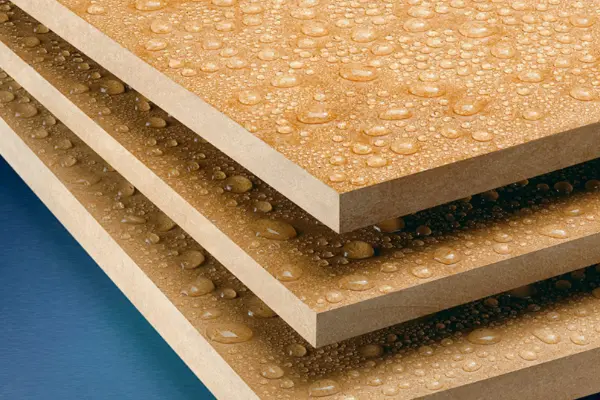
Even though MR MDF has inherent moisture resistant qualities, to truly maximize its lifespan and performance in a bathroom, proper sealing is paramount. This creates an additional barrier against moisture penetration, especially for cut edges where the MDF core is more exposed. As a manufacturer, I always stress this to my customers – good preparation is key!
Here’s a step-by-step guide:
- Sanding: Begin by lightly sanding all surfaces and edges of the MR MDF sheet with fine-grit sandpaper. This helps to smooth any imperfections and provides a better key for the primer and paint. Always wear a respirator when sanding MDF to avoid inhaling dust particles.
- Priming: This is crucial. Apply at least two coats of a good quality, oil-based or solvent-based primer. These primers offer better moisture protection than water-based ones for this initial sealing stage. Pay extra attention to the edges as they are the most vulnerable. Some primers are specifically designed for MDF and high humidity areas.
- Caulking: Before painting, seal all joints, corners, and any gaps where MR MDF meets other surfaces (like walls or countertops) with a good quality, waterproof caulk or sealant. This prevents water from seeping into these vulnerable areas. Run a neat bead of caulk and smooth it.
- Top Coating (Painting/Finishing): Apply multiple coats of high-quality, waterproof paint. Oil-based or epoxy paints are excellent for bathrooms as they create a very durable and water-resistant finish. Polyurethane varnish or acrylic paint designed for bathrooms and kitchens can also be effective. Allow each coat to dry thoroughly according to the manufacturer’s instructions.
- Consider Edge Treatments: For maximum protection, especially on edges that might see more wear or potential water contact, you can use PVC edge banding or even apply a thin layer of epoxy resin specifically to the edges before priming and painting.
Some professionals also opt for specialized waterproof membranes or a laminate surface over the MR MDF, especially for vanity tops. The goal is to create an unbroken seal around the entire MR MDF component, effectively making the MDF assembly water proof. This careful preparation will ensure your MR MDF installations, whether it’s a cabinet or decorative paneling, can withstand the challenging bathroom environment for years to come.
7. What are the Ideal Applications for MR MDF in a Bathroom or Kitchen?
MR MDF truly shines in a variety of applications within bathrooms and kitchens, thanks to its moisture resistant properties and smooth finish, which is ideal for painting or laminating. Given its stability and ease of machining with tools like a router or table saw, it’s a versatile sheet material for both DIY projects and professional installations.
Here are some ideal uses:
- Bathroom Vanities and Cabinets: This is perhaps the most common use. MR MDF is excellent for constructing the carcasses and doors of bathroom vanities and storage cabinets. When properly sealed and painted, it holds up well to the ambient humidity and occasional splashes.
- Kitchen Cabinets: Similar to bathrooms, MR MDF is a great choice for kitchen cabinet construction, especially for units near sinks or dishwashers where moisture exposure is higher. Many high-quality kitchens utilize MR MDF as a core material.
- Wall Paneling and Wainscoting: MR MDF panels, including decorative styles like MDF beadboard or V-groove, can be used to create attractive and durable wall treatments in bathrooms, adding character and protecting walls from scuffs and minor splashes.
- Bath Panels: The side panels of a tub can be made from MR MDF, provided they are meticulously sealed, especially along the edges and any joints. It’s important that these panels don’t sit in pooled water.
- Window Sills and Frames: In bathrooms or kitchens, MR MDF can be used for window sills and frames, again, with thorough sealing to protect against condensation and humidity.
- Shelving and Storage Units: For open shelving or internal components of storage units in these humid environments, MR MDF offers a stable and smooth surface.
- Baseboards and Trim: MR MDF baseboard and trim are popular because they are easy to paint and provide a clean finish. In bathrooms, using the moisture resistant grade is a smart move.
While MR MDF is ideal for these applications, it’s generally unsuitable for areas in constant, direct contact with water, such as shower enclosures, tile backer boards in wet zones, or sauna interiors. For those applications, dedicated waterproof materials are necessary. Many of our customers use MR MDF and then apply a decorative melamine paper, like those we offer, to provide an extra layer of surface protection and aesthetic appeal.
8. MR MDF vs. The Alternatives: How Does It Stack Up Against Plywood or Solid Wood in Humid Conditions?
When choosing materials for humid environments like a bathroom or kitchen, it’s natural to compare MR MDF with other common options like plywood and solid wood. Each has its pros and cons, and the best choice often depends on the specific application, budget, and desired finish.
-
MR MDF vs. Plywood:
- MR MDF: Offers a smoother surface than most plywood, making it easier to achieve a flawless paint finish. It’s generally more stable dimensionally in response to humidity changes (less warping or twisting) than standard plywood. Cut edges are smooth and don’t require edge banding for painting, though sealing them is critical. However, it’s heavier than plywood and not as strong structurally for load-bearing applications. If the surface is breached and water gets to the core, it can still swell, though much less than standard MDF.
- Plywood (especially Marine-grade or Exterior-grade): Certain types of plywood are designed for wet conditions and use waterproof glue (like WBP – Water Boil Proof). Marine ply is very durable and water-resistant. However, plywood surfaces are often less smooth, showing the wood grain, and edges can splinter or delaminate if not properly finished. It’s generally stronger and lighter than MDF. Cost can be higher for specialized grades.
-
MR MDF vs. Solid Wood:
- MR MDF: Much more dimensionally stable than solid wood, which can warp, cup, or crack with changes in humidity and moisture. MR MDF provides a consistent, knot-free sheet material that’s easy to machine. It’s also typically more cost-effective than many hardwood species suitable for bathrooms.
- Solid Wood: Offers a natural beauty and strength that MDF cannot replicate. Certain species like teak, cedar, or oak (when properly treated) can perform well in humid conditions. However, real wood requires careful finishing and regular maintenance to prevent moisture damage. It’s also generally more expensive and can be more challenging to work with for intricate designs due to grain.
-
MR MDF vs. PVC/Vinyl Boards:
- MR MDF: More rigid and offers a more ‘solid’ feel. Can be shaped and routed more easily for detailed profiles.
- PVC/Vinyl: Completely waterproof and will not rot, swell, or delaminate when exposed to water. Excellent for very wet areas. However, it can be less rigid than MDF, may not hold paint as well over the long term (though many come pre-finished), and might not offer the same high-end feel as a well-finished MDF or wood product.
In summary, MR MDF often strikes a good balance for many bathroom and kitchen applications by offering good moisture resistance, a superior surface for finishing, dimensional stability, and cost-effectiveness, especially when compared to the higher costs or finishing challenges of marine ply or suitable solid wood. The key is always proper sealing and using it within its designed capabilities.
9. Working with MR MDF Sheets: Pro Tips for Cutting, Finishing, and Installation.
Working with MR MDF sheets is quite similar to working with standard MDF, but a few specific considerations can help you achieve the best results, especially when preparing it for use in humid environments like a bathroom. As someone who oversees the manufacture and knows the material intimately, I can offer some practical tips.
Cutting MR MDF:
- Tooling: MR MDF can be cut with standard woodworking machinery and tools like a circular saw, table saw, jigsaw, or router. Carbide-tipped blades and bits are recommended as MDF (even MR MDF) can be abrasive and dull steel tools quickly.
- Dust: MDF produces fine dust when cut or sanded. MR MDF is no exception. Always wear a good quality dust mask or respirator and use dust extraction if possible. This is important for health, especially regarding formaldehyde content, even in low-emission boards (look for E1/E0 or CARB P2 certified products).
- Clean Cuts: To get clean cuts and minimize chipping, use a fine-tooth blade. Scoring the cut line first can also help. When using a router for shaping edges or creating decorative profiles, take multiple shallow passes rather than one deep cut.
Finishing MR MDF:
- Edge Sealing is Critical: This cannot be stressed enough. Cut edges of MR MDF are more porous than the faces. Before priming, apply an extra coat of undiluted primer or a specialized MDF edge sealant to all cut edges. Some people even use a thin skim of wood filler or a waterproof glue like polyurethane glue on the edges before sanding and priming.
- Sanding: Sand surfaces and edges smooth (typically 120-180 grit sandpaper) before priming. Wipe away all dust thoroughly.
- Priming: Use a high-quality oil-based or solvent-based primer for the best moisture barrier. Apply at least two coats, sanding lightly between coats if recommended by the primer manufacturer.
- Painting: Opt for paints designed for high-humidity environments, such as bathroom/kitchen paint, epoxy paint, or oil-based enamel. Apply multiple thin coats rather than one thick coat for a more durable finish.
Installation:
- Acclimatize: Allow MR MDF sheets to acclimatize to the room’s humidity for 24-48 hours before installation to minimize expansion or contraction issues.
- Fasteners: Standard screws and nails work well with MR MDF. Pre-drilling pilot holes, especially near edges, can prevent splitting.
- Sealing Gaps: After installation, seal all joints, corners, and edges where the MR MDF meets other surfaces (walls, floors, countertops) with a flexible, waterproof sealant or caulk. This is vital to prevent moisture from wicking into the edges or behind the panels. For a neat bead, use painter’s tape.
By following these tips, your MR MDF projects will not only look professional but will also have enhanced durability and resistance to moisture, making them suitable for their intended environment. Many of our melamine MDF board products already incorporate these principles in their design for easy use.
10. Key Factors to Consider When Sourcing High-Quality MR MDF.
Choosing the right supplier and understanding what defines quality in MR MDF is crucial for the success of your project, especially when it’s destined for a bathroom or other high humidity areas. As a manufacturer, I know that not all MDF is created equal. Here’s what I advise customers like Mark Thompson to look for:
- Reputable Manufacturer/Supplier: Source your MR MDF from established manufacturers or suppliers who have a good reputation for quality and consistency. Companies like ours, Demeter Decorative Materials, invest in quality control and reliable production processes.
- Correct Specification: Ensure you are actually getting Moisture Resistant MDF (MR MDF) and not standard grade. MR MDF is often, but not always, dyed green (or another color) for identification. Always check the product specifications and datasheets. The term Medite MR is a well-known brand, but other quality generic MR MDF options exist.
- Resin Type: Inquire about the type of resin used. For MR MDF, it should be a moisture-repellent resin like MUF (melamine-urea formaldehyde) or a similar performing adhesive.
- Density and Consistency: Higher density generally contributes to better moisture resistance and machinability. The MDF sheet should have a consistent density throughout, with no soft spots or variations in thickness.
- Surface Finish: The surface should be smooth and free from defects, making it ready for priming and painting with minimal preparation beyond a light sand. Check for any surface imperfection.
- Certifications: Look for relevant certifications.
- Formaldehyde Emission Standards: CARB P2, E1, or E0 certifications indicate lower formaldehyde emissions, which is important for indoor air quality. This is a key concern for projects in the USA and Europe.
- FSC (Forest Stewardship Council): If sustainability is a concern, look for FSC-certified MDF, which ensures the wood fibers come from responsibly managed forests.
- Moisture Content: The MDF should have an appropriate moisture content at the time of delivery, typically between 6-9%. This ensures stability.
- Dimensional Accuracy and Tolerances: Check the supplier’s specifications for tolerances on thickness, length, and width of the MDF sheet.
- Edge Quality: Inspect the edges of the sheet. They should be clean-cut and compact, not crumbly. This indicates good fiber bonding and pressing.
- Ask for Samples: If you’re a new customer or trying a new supplier, request samples to evaluate the quality before committing to a large order. This allows you to test its machinability and finishing properties.
By paying attention to these factors, you can ensure that the MR MDF you purchase is genuinely moisture resistant and of high quality, providing a reliable foundation for your bathroom, kitchen, or other DIY and professional projects. A reliable supplier will be transparent about their product specifications and certifications. For instance, our High Quality Wood Grain Melamine MDF uses a quality MDF core designed for durability.
Key Takeaways for Using MR MDF in Humid Environments:
To wrap up our deep dive into Moisture Resistant MDF for bathroom and other damp applications, here are the most important points to remember:
- MR MDF is Moisture Resistant, Not Waterproof: It’s significantly better than standard MDF in humid conditions but isn’t designed for constant soaking without additional protection.
- Special Resin is Key: MR MDF uses a moisture-repellent resin during manufacture, which greatly reduces water absorption and swelling.
- Sealing is Non-Negotiable: For bathroom use, all surfaces and especially cut edges of MR MDF must be thoroughly sealed with primer and waterproof topcoats like epoxy or oil-based paint.
- Ideal Applications: Perfect for bathroom vanities, cabinets, wall paneling (like MDF beadboard), baseboard, and kitchen units where intermittent moisture and high humidity occur.
- Avoid Constant Wetting: Do not use MDF (even MR MDF) inside shower enclosures, as tile backer in very wet zones, or for sauna construction.
- Proper Preparation is Crucial: Correct cutting techniques (wear a respirator!), sanding, priming, and caulking are essential for longevity.
- Quality Matters: Source MR MDF sheets from reputable suppliers, checking for appropriate density, resin type, and certifications (e.g., low formaldehyde).
- Manage Expectations: While MR MDF is a fantastic and versatile material, understanding its capabilities and limitations will ensure your project’s success and durability. It’s a cost-effective and workable sheet material for many DIY and professional jobs.
By following these guidelines, you can confidently use MDF of the moisture-resistant variety to create beautiful and long-lasting installations, even in challenging environments like your bathroom.
Post time: 05-08-2025