Are you exploring options for a strong, reliable base for your bed? Perhaps you’re a furniture manufacturer like Mark Thompson in the USA, always seeking high-quality, cost-effective materials. Or maybe you’re designing the next line of bedroom furniture and wondering if plywood can offer the sturdy support needed for today’s mattress types. You might have seen designs using plywood sheets or wide slats acting like a platform, essentially replacing the traditional bed frame structure or box spring. This article delves into using plywood for bed bases and slats, exploring its strengths, considerations, and why it’s becoming a popular choice in bed construction. As Allen, with years of experience manufacturing wood-based panels like RAW MDF and Melamine Faced Boards here in China and exporting globally, I want to share insights valuable for your business. We’ll cover everything you need to know, from durability to mattress support, helping you decide if plywood is the right foundation for your next bed design or purchase. Reading this will give you a clear understanding of the pros and cons, ensuring you make informed decisions for your products or projects, focusing on quality and longevity.
What Exactly is a Plywood Bed Base?
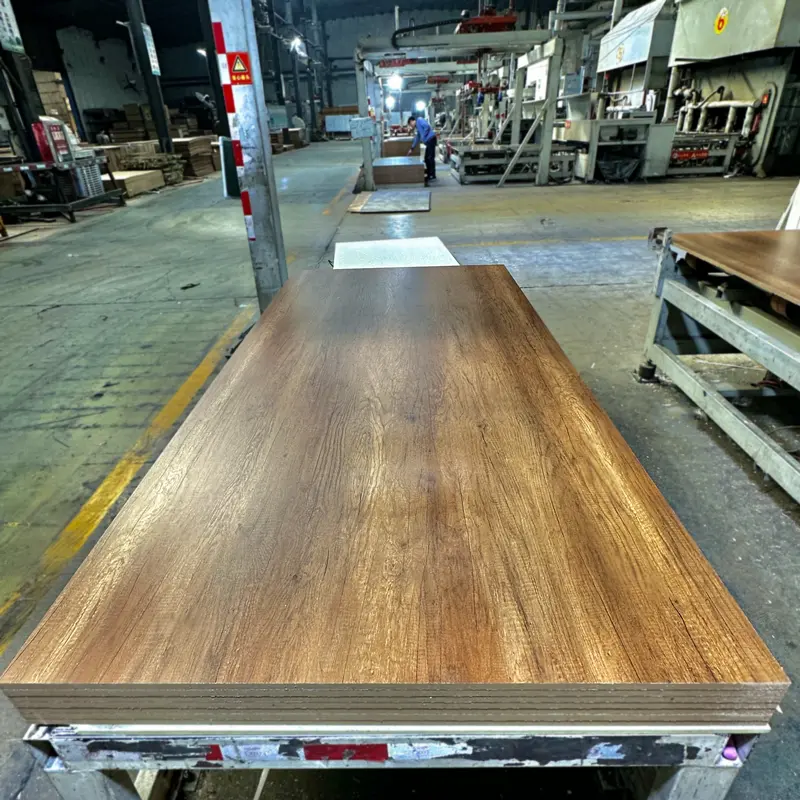
So, what do we mean when we talk about a plywood bed base? Traditionally, a bed consists of a bed frame (often wooden bed frames or metal) and either a box spring or a series of slats to support the mattress. A plywood bed base typically replaces the box spring or traditional narrow slats with either a solid sheet of plywood or several wide, thick plywood slats. This creates a flat, rigid, uniform surface for the mattress to rest on, functioning very much like a platform bed. The idea is to provide consistent, edge-to-edge support for the mattress, which is especially beneficial for certain types like memory foam mattresses or latex mattresses that perform best on a solid foundation.
This approach differs significantly from a bed frame without adequate support or one relying solely on thin wood slats spaced far apart, which might not offer enough support and could lead to mattress sag over time. The plywood essentially becomes the core support structure within the bed frame, ensuring the mattress lies flat and receives even weight distribution. This can be integrated into various bed frame styles, from minimalist platform beds made almost entirely of plywood to traditional wooden bed frames where the plywood sheet replaces the slat system. It’s a versatile concept gaining traction in modern furniture design.
Why Consider Plywood for Your Bed Frame or Slats?
There are compelling reasons why manufacturers and consumers are turning to plywood for bed frames and slat systems. Firstly, plywood offers an excellent balance between strength and cost. Compared to solid wood, particularly hardwood varieties like oak or walnut, plywood is often more budget-friendly while providing remarkable durability and structural integrity. Its engineered construction, involving layers of wood veneer glued together, makes it resistant to warping, cracking, and shrinking – common issues with solid wood in varying humidity conditions. This ensures greater consistency for large-scale production, a key factor for businesses like Mark Thompson’s.
Secondly, the uniform surface provided by a plywood sheet or closely spaced plywood slats offers superior support for the mattress. This consistent foundation helps maintain the mattress’s shape, enhances its longevity, and can contribute to a better sleeping experience. It prevents the mattress from dipping or sagging between widely spaced slats, ensuring the firmness and support profile designed by the mattress manufacturer are maintained night after night. This makes plywood an ideal bed base solution, particularly for modern foam mattresses that require solid support. The inherent sturdiness of quality plywood means the bed frame can feel more durable and stable.
Is Plywood Strong Enough to Support a Mattress and Sleepers?
A common question arises: Is plywood genuinely strong enough for a bed frame or slat system? The answer is a resounding yes, provided the correct type and thickness of plywood are used. Plywood is made by bonding thin layers (plies) of wood veneer with strong adhesives under heat and pressure. This cross-grained construction gives plywood exceptional strength and stability in all directions, making it surprisingly sturdy and capable of supporting significant weight, including heavy mattresses (like a king size latex or memory foam mattress) and occupants.
The key lies in selecting the appropriate grade and thickness. For a plywood sheet acting as a platform, thicknesses of 3/4 inch (around 18mm) are common and provide a very rigid and durable base. If using plywood slats, they should be wider and thicker than typical solid wood slats (e.g., 3-4 inches wide and at least 1/2 to 3/4 inch thick) and spaced closely (ideally no more than 2-3 inches apart) to ensure adequate support and prevent mattress sag. Compared to lower-density materials like particle board or some types of MDF, plywood generally offers superior load-bearing capacity and screw-holding strength, contributing to a sturdier and longer-lasting bed frame. We ensure our plywood meets stringent quality standards, giving you confidence in its strength.
Plywood vs. Traditional Slats: What’s the Difference for Mattress Support?
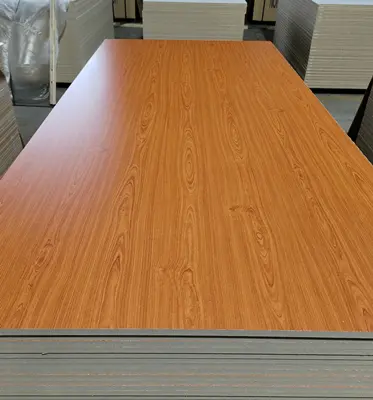
When comparing a plywood base (sheet or wide slats) to traditional, narrower wood slats, the primary difference lies in the uniformity and consistency of support provided to the mattress. Traditional slats, often made of pine or other softwoods, can sometimes be too thin or spaced too far apart. This creates gaps where the mattress, especially a foam mattress, can start to sag or dip over time, compromising comfort and potentially shortening the mattress’s lifespan. This uneven support can sometimes be felt by the sleeper and may not provide the optimal foundation recommended by mattress manufacturers or even a chiropractor for proper spinal alignment.
A solid plywood sheet, on the other hand, offers a completely flat, rigid surface, eliminating pressure points caused by gaps. Wide plywood slats, when spaced closely, mimic this solid support very effectively. This consistent base ensures the mattress maintains its intended firmness and performs as designed across its entire surface, from top and bottom edges. This type of even support is often highlighted as crucial for maximizing the benefits and longevity of memory foam and latex mattresses. While traditional slats might offer slightly better airflow inherently, the superior, even support of plywood is often considered a more significant factor for overall mattress health and sleeper comfort in a slat bed design.
Can Plywood Improve Mattress Longevity and Performance?
Yes, using a plywood base can significantly contribute to improving mattress longevity and performance. The key benefit is the prevention of sag. Mattresses, particularly those made from foam (memory foam mattress, latex) or hybrid designs, require consistent, sturdy support to maintain their structural integrity. When placed on an inadequate base, like widely spaced or flexible slats, the mattress material can be forced into the gaps under the sleeper’s weight, leading to premature sagging, indentations, and a breakdown of the support layers. This not only makes the bed uncomfortable but drastically reduces the usable life of the mattress.
A plywood sheet or a system of robust, closely spaced plywood slats provides that essential flat, rigid platform. This additional support ensures the mattress bears weight evenly, preventing undue stress on any particular area. By maintaining its shape and preventing sagging, the plywood base helps the mattress deliver its intended comfort and support features for a longer period. Think of it as providing the perfect bed frame foundation for your investment in a quality mattress. While concerns about airflow exist, especially with solid sheets, the benefit of enhanced structural support and longevity often outweighs this, particularly as modern mattress designs incorporate breathable materials. A well-supported mattress simply performs better and is likely to last longer.
What are the Pros and Cons of Using Plywood as a Bed Base?
Choosing plywood for your bed frame or mattress support comes with distinct advantages and some potential drawbacks. Understanding these pros and cons is crucial for making an informed decision.
Pros:
- Excellent Support: Provides a flat, sturdy, and uniform surface, ideal for most mattress types, especially memory foam and latex, preventing sag and enhancing longevity.
- Strength and Durability: High-quality plywood is very strong, durable, and resistant to warping or breaking, leading to a stable and long-lasting bed structure.
- Cost-Effective: Generally more affordable than solid wood options like hardwood, offering good value for its strength.
- Consistency: As an engineered wood product, plywood offers consistent quality and dimensions, beneficial for manufacturing.
- Versatility: Can be easily cut, shaped, and finished (painted, veneered, laminated) to fit various bed frame designs, from simple platform beds to inserts in elaborate wooden bed frames. It’s incredibly versatile.
Cons:
- Ventilation Concerns: A solid sheet of plywood can restrict airflow to the underside of the mattress compared to slatted bases, potentially leading to moisture buildup if the room isn’t well-ventilated or the mattress isn’t breathable. Using wide plywood slats or drilling holes can mitigate this.
- Weight: Plywood, especially thicker sheets, can be heavier than traditional pine slats, potentially making the bed frame harder to move.
- Aesthetics: Raw plywood edges might not be as visually appealing as solid wood, often requiring finishing touches like paint, veneer, or edge banding for a polished look.
- Potential for Formaldehyde: Lower-quality plywood might use adhesives with higher formaldehyde emissions. It’s crucial to choose plywood that meets standards like CARB P2 or E1/E0, especially for indoor furniture like a bed. (We prioritize low-emission standards in our products).
How Does Plywood Compare to Solid Wood or Engineered Wood for Bed Frames?
When selecting materials for bed frames, it’s helpful to compare plywood with other common options like solid wood and other engineered wood products such as MDF (Medium Density Fiberboard) and particle board/chipboard.
Plywood vs. Solid Wood:
- Strength: Both can be very strong. Hardwood (walnut, oak, beech) is typically denser and harder than the softwoods often used in plywood (like pine or birch), but the cross-grain structure of plywood provides excellent dimensional stability and resistance to warping or splitting, which can affect solid wood, especially wider boards, due to changes in humidity and moisture.
- Cost: Plywood is generally more cost-effective than solid hardwood. Solid pine might be comparable in price but often less durable.
- Weight: Can be similar, depending on the specific wood species and plywood density.
- Aesthetics: Solid wood offers natural grain patterns and can be finished to a high standard. Plywood requires finishing on edges and surfaces for premium aesthetics, though high-quality veneers can mimic real wood effectively. A bed made of solid wood often carries a premium feel.
- Sustainability: Plywood can be more sustainable as it utilizes more of the log, including thinner veneers. Look for FSC-certified options for both.
Plywood vs. MDF/Particle Board:
- Strength & Durability: Plywood is generally significantly stronger, stiffer, and more durable than MDF and especially particle board. It holds screws better and is less prone to damage from impacts or moisture. MDF offers a very smooth surface for painting, while particle board is typically the most budget-friendly but least durable option, often susceptible to swelling with moisture.
- Weight: MDF is quite heavy due to its high density. Plywood weight varies, but it’s often lighter than MDF of the same thickness. Particle board is generally the lightweight option but suffers from a lack of sturdiness.
- Application: While MDF and particle board are common in furniture carcasses and some decorative elements, plywood is often preferred for structural components requiring higher strength and longevity, like bed supports or bed frames. High-quality Melamine MDF board panel can be used for decorative parts of the bed frame.
Overall, plywood strikes a balance, offering better structural performance and durability than MDF or particle board, and greater stability and often lower cost than solid wood, making it a practical and popular choice for bed frame construction.
What Should Buyers Like Mark Thompson Look for When Sourcing Plywood for Beds?
For B2B buyers like Mark Thompson, who prioritize quality and reliability when sourcing materials for furniture manufacturing, several key factors are crucial when selecting plywood for bed frames or slats:
- Grade and Appearance: Specify the required grade of plywood based on the application. For visible parts of a bed frame, a higher grade with a smoother, defect-free surface (like Birch plywood) might be needed. For hidden support structures like the mattress base, a structural grade might suffice, but ensure it’s sound. Consistent aesthetics matter.
- Core Quality: Inspect the core layers. Look for minimal voids (gaps) between the plies, as excessive voids compromise strength and screw holding. A solid, consistent core is essential for durability.
- Thickness and Dimensional Accuracy: Ensure the plywood meets the specified thickness tolerances consistently across the sheets. Dimensional accuracy is vital for efficient manufacturing and assembly of the bed frame. Common thicknesses for bed platforms are 15mm, 18mm, or even up to 25mm for heavy-duty beds.
- Adhesive Quality and Emissions: This is critical. Verify that the plywood uses appropriate adhesives (e.g., WBP – Water Boil Proof, if moisture resistance is needed) and, most importantly, meets formaldehyde emission standards relevant to the target market (e.g., CARB P2 for the USA, E1/E0 for Europe). Reputable suppliers like us provide certifications. Low emissions are non-negotiable for indoor furniture pieces like beds.
- Moisture Content: The plywood should have an appropriate moisture content (typically 8-14%) to prevent warping or dimensional changes after manufacturing. Consistent moisture control is a sign of a quality supplier.
- Supplier Reliability: Work with suppliers like our factory who have proven track records, robust quality control processes, and good communication. Consistent quality, reliable logistics, and transparent payment methods are key to avoiding production delays and ensuring the final bed product meets expectations. We understand Mark’s pain points regarding communication and shipment schedules and strive for excellence here.
How Can Plywood Be Incorporated into Different Bed Frame Designs?
The versatility of plywood allows it to be used in a wide array of bed frame designs, catering to different styles and functionalities. Its ability to be easily cut, shaped, and joined makes it a favorite for designers and manufacturers seeking both structural integrity and design flexibility for the entire bed.
One common application is creating a simple, minimalist platform bed. Here, plywood sheets can form the main structure, including the sides and the solid mattress base. The edges can be left exposed for an industrial look, rounded for safety, or covered with edge banding for a clean finish. This functionality is popular in modern furniture design. Plywood can also serve as the structural support within a more traditional wooden bed frame or even a metal frame. Instead of using individual slats or a box spring, a sheet of plywood cut to size can be dropped into the frame to provide a solid, supportive base for the mattress. This approach combines the aesthetics of a traditional bedframe with the enhanced support of a plywood platform.
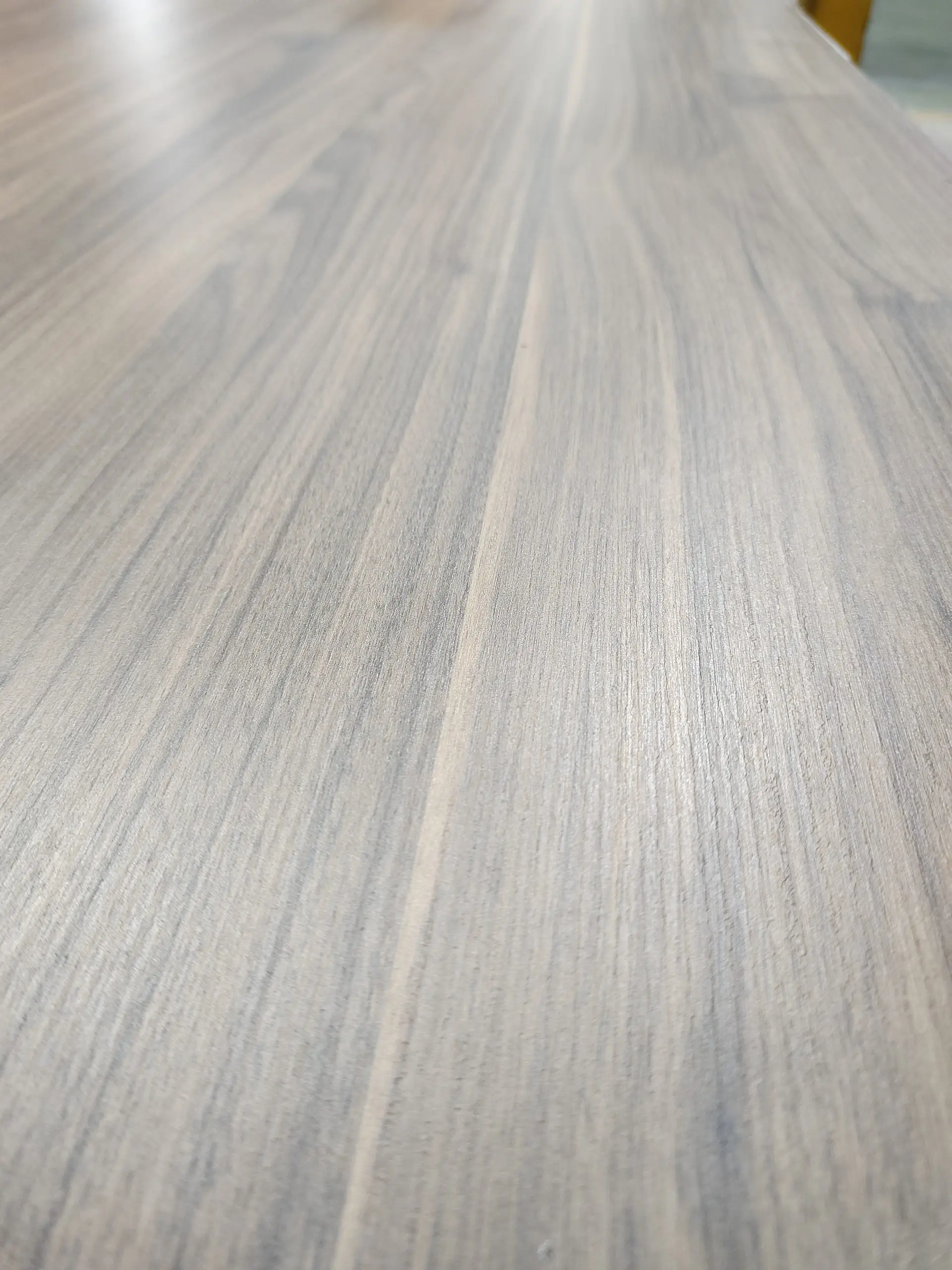
Furthermore, plywood is an excellent substrate for various finishes. It can be painted in any color, stained to mimic different wood types, or laminated with decorative materials. For instance, applying High Quality Decorative Laminated Melamine Paper offers a vast range of colors and patterns (like wood grains or solid colors), providing a durable, scratch-resistant, and easy-to-clean surface ideal for bed frames. This versatility extends to headboards and footboards, allowing for cohesive furniture pieces. You can even incorporate upholstery around a plywood structure for a softer look.
Addressing Common Concerns: Ventilation and Moisture with Plywood Beds?
A valid concern often raised about using a solid plywood sheet as a mattress base is the potential reduction in airflow compared to spaced slats or a box spring. Proper ventilation is important to allow moisture (from perspiration) to dissipate and prevent the growth of mold or mildew on the underside of the mattress. While this is a point to consider, there are effective ways to manage it.
Firstly, many modern mattresses, including foam mattresses, are designed with breathable materials and construction techniques that help manage internal temperature and moisture. Secondly, ensuring good ambient room ventilation plays a significant role. Thirdly, the plywood base itself can be modified. Instead of a completely solid sheet, perforations or ventilation holes (e.g., 1-2 inch diameter holes spaced regularly) can be drilled into the plywood to promote airflow without significantly compromising the structural support. Another effective approach is to use wide plywood slats (e.g., 3-6 inches wide) spaced about 1-3 inches apart. This provides near-solid support while allowing significantly more ventilation than a solid sheet. Properly sealing the edges of the plywood can also help prevent moisture absorption into the wood itself. By considering these factors, the potential drawbacks related to ventilation and moisture buildup can be effectively addressed, allowing you to benefit from the sturdy support of a plywood bed base.
Key Takeaways on Using Plywood for Your Bed:
- Strong Support: Plywood (sheets or wide slats) provides a sturdy, flat, and uniform base ideal for modern mattresses, especially memory foam and latex, helping prevent sag and extend mattress life.
- Durability & Stability: Quality plywood is strong, durable, and resistant to warping, making it a reliable material for bed frames and slat systems ensuring longevity.
- Cost-Effective: Often more affordable than solid hardwood while offering excellent structural properties.
- Versatile Material: Easily cut, shaped, and finished (paint, veneer, melamine lamination), suitable for various bed designs from platform beds to traditional frames.
- Ventilation Management: While solid sheets reduce airflow, this can be managed with mattress choice, room ventilation, drilled holes, or by using wide plywood slats.
- Quality Matters: Choose the right grade and thickness, ensure low formaldehyde emissions (CARB P2, E1/E0), check core quality, and work with reliable suppliers for consistent results.
- Better than Alternatives: Generally offers superior strength and durability compared to particle board or MDF for structural bed components.
Using plywood for bed frames and mattress supports offers a compelling mix of strength, stability, and value. Whether you’re manufacturing beds or choosing one for your home, understanding the properties of plywood helps in making informed decisions for a comfortable and durable sleeping experience night after night. If you have specific requirements for RAW MDF, MELAMINE FACED BOARD, or decorative papers for your furniture projects, feel free to reach out.
Post time: 04-28-2025