Hello, I’m Allen, and I’ve spent my career in the heart of wood-based panel manufacturing here in China. I’ve seen trends come and go, but one product has remained a cornerstone for quality and design flexibility: Oak Veneer MDF. For professionals like Mark Thompson in the USA, a furniture company owner who values quality as much as cost-effectiveness, understanding this material inside and out is crucial. You want the timeless beauty of oak without the instability and high cost of solid wood. This article is your inside look from the factory floor. I’ll walk you through what oak veneer MDF truly is, how it’s made, what to look for, and how to source it effectively. This guide is designed to empower you, helping you make smarter purchasing decisions that improve your products and your bottom line.
What Exactly Is Oak Veneer MDF?
Let’s start with the basics. What are we really talking about when we say oak veneer MDF? Think of it as the perfect partnership. On one hand, you have Medium-Density Fiberboard (MDF), an engineered wood product renowned for its stability, smooth surface, and uniform density. It doesn’t warp or crack like solid wood can with changes in humidity. On the other hand, you have oak veneer, which is a paper-thin slice of real, beautiful oak wood.
When we combine these two, you get a board that has the best of both worlds. The veneer gives the panel the authentic look, feel, and grain pattern of natural oak. The MDF core provides a strong, reliable, and cost-effective foundation. This combination makes it an incredibly versatile material for high-end furniture, cabinetry, and interior design projects where the appearance of solid oak is desired but its practical limitations and cost are a concern.
So, when you buy an oak veneered mdf sheet, you are not buying a fake wood print. You are buying real oak, expertly applied to a modern, stable substrate. This distinction is vital. It’s the reason this product has become a staple for manufacturers globally who need to balance aesthetics, performance, and budget. It allows you to create beautiful pieces without the unpredictability of solid hardwood.
How is an Oak Veneer Panel Actually Made?
Understanding the manufacturing process is key to appreciating the quality of the final product. As a factory owner, I see every step of this transformation firsthand. It’s a process that requires precision and care to ensure a flawless finish.
-
Creating the Core: It all begins with the MDF core. We produce this by breaking down hardwood or softwood residuals into fine wood fibers, combining them with wax and a resin binder, and forming them into a dense mat. This mat is then pressed under high temperature and pressure to create a strong, uniform sheet. A good oak veneer MDF starts with a high-quality, dense, and perfectly flat core.
-
Slicing the Veneer: Meanwhile, we select high-quality oak logs. These logs are carefully prepared and then sliced into very thin sheets of veneer, typically between 0.5mm and 0.7mm thick. The method of slicing the log determines the final grain pattern, a detail we’ll cover next. This step is an art in itself, as it unlocks the natural beauty of the wood.
-
The Bonding Process: The magic happens when we bring the two components together. A specialized adhesive is applied evenly to the surface of the MDF sheet. The oak veneer is then carefully laid on top. The entire panel is fed into a hot press, which applies immense pressure and heat. This activates the adhesive, creating a permanent and durable bond between the veneer and the core.
-
Finishing Touches: After pressing, the panels are cooled and then sanded to a perfectly smooth surface. This final sanding ensures the veneer is ready for any staining, oiling, or lacquering you wish to apply. The edges are trimmed to the exact size required, resulting in a ready-to-use oak veneered mdf sheet with structural integrity.

What are the Different Types of Oak Veneer Available?
Not all oak veneer is the same. The species of oak and the way the veneer is cut from the log create vastly different aesthetics. This variety is fantastic because it gives you a wide range of design options for your projects. Understanding these differences will help you select the perfect look.
The two most common species are:
- White Oak: Known for its light-to-medium brown color with a grayish cast. Its grain is typically straight with a medium-to-coarse texture. White oak is famous for the "ray fleck" patterns that appear when it’s quarter-sawn, adding a unique decorative element.
- Red Oak: As the name suggests, this species has a reddish, pinkish tone. Its grain is often wider and more porous than white oak. It’s a classic, warm choice that’s very popular in traditional furniture design.
Beyond the species, the slicing method, or cut, dramatically changes the grain pattern:
- Plain Sliced (or Crown Cut): This is the most common method. The log is sliced parallel to its center, producing a distinctive cathedral or looped pattern. It delivers a classic, recognizable wood grain look.
- Quarter Sliced: The log is cut into quarters first, and then each quarter is sliced at a right angle to the growth rings. This produces a straight, linear grain pattern for a more uniform and modern appearance.
- Rift Sawn: This is the most complex and expensive cut. The log is sliced at a slight angle to the growth rings, which minimizes the "ray fleck" seen in quarter-sawn oak, resulting in a very straight, clean grain with almost no figuring. It’s prized for contemporary and minimalist designs.
Why Choose Oak Veneer MDF Over Solid Oak Wood?
This is a question I get all the time, especially from clients who are accustomed to working with solid wood. While solid oak is a fantastic material, oak veneer MDF offers several practical advantages that often make it the smarter choice, particularly for large-scale production.
Here’s a simple breakdown:
| Feature | Solid Oak Wood | Oak Veneer MDF |
|---|---|---|
| Stability | Prone to warping, splitting, and cracking with changes in temperature and humidity. | Extremely stable. The MDF core is engineered to resist movement, ensuring the panel stays flat. |
| Cost | Significantly more expensive, especially for wide boards or high-grade lumber. | Much more cost-effective. You get the look of premium oak for a fraction of the price. |
| Consistency | Grain and color can vary greatly from one board to another. | Offers a more uniform appearance, especially with quarter or rift sawn veneers. This is a huge benefit for large projects like kitchen cabinets. |
| Weight | Very heavy and dense. | Lighter than solid oak of the same dimensions, making it easier to handle and install. |
| Sustainability | Requires large amounts of hardwood. | More sustainable. A single oak log can produce hundreds of square meters of veneer, maximizing the use of a valuable resource. |
| Workability | Can be challenging to machine without tear-out. | The MDF core is easy to cut and machine, with no natural grain to fight against. |
For many applications, the decision is clear. If you need the authentic beauty of oak combined with stability, consistency, and cost-efficiency, oak veneer MDF is an unbeatable product.
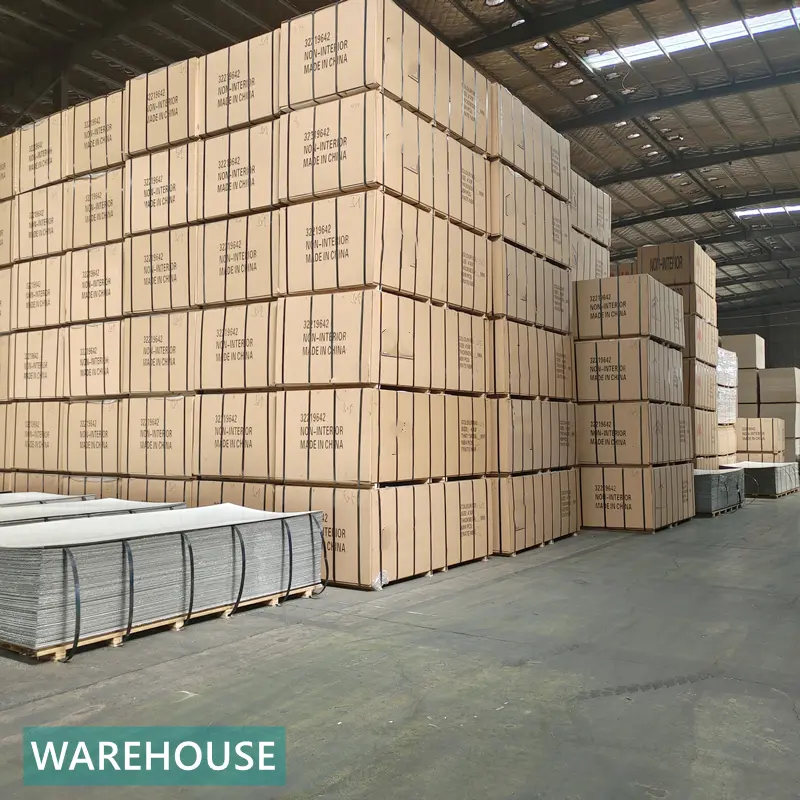
What Key Quality Indicators Should You Check for in an Oak Veneer Board?
For a discerning buyer like Mark, quality is paramount. A low-quality board can ruin a project and your reputation. When you receive a sample or a shipment, there are several key things I recommend you inspect to ensure you’re getting a high quality product.
-
The Veneer Itself: Look closely at the oak veneer. Is the grade consistent? A high-grade veneer will have a uniform color and grain, with minimal knots, mineral streaks, or other natural defects. Check the thickness—it should feel substantial, not like a thin piece of paper. Run your hand over the surface; it should be perfectly smooth, with no rough patches.
-
The MDF Core: The core is the foundation. A poor core means a poor panel, no matter how beautiful the veneer. Press on the surface in various spots. It should feel solid and dense throughout. A low-density or inconsistent mdf core can lead to issues with screw holding and long-term durability. You can also check the edge of the board to see the fiber density. It should look compact and tight.
-
The Bond Line: This is critical. Inspect the edge of the panel very carefully. Look for any signs of separation or gaps between the veneer and the MDF. A weak bond (delamination) is a major defect. Try to gently pick at a corner with your fingernail. On a well-made panel, the veneer should be impossible to lift. This shows a strong, reliable adhesive bond was achieved during pressing.
-
Dimensional Accuracy: Ensure the board is flat and true to its specified dimensions. Use a straightedge to check for any bowing or warping. While oak veneered mdf boards are very stable, poor manufacturing or storage can cause issues. The thickness should be consistent across the entire sheet.
What are the Most Common Applications for This Product?
The versatility of oak veneered mdf boards means they are used across a wide range of industries. The combination of its attractive look and reliable performance makes it a go-to material for professionals.
Here are some of the most popular applications I see our clients using our boards for:
- Kitchen Cabinets and Doors: This is perhaps the number one application. The stability of the MDF core is perfect for the fluctuating humidity of a kitchen, and the oak veneer provides a timeless, high-end look.
- Furniture Manufacturing: From desks and tables to wardrobes and bookshelves, it’s an ideal material for creating beautiful and durable furniture. It allows designers to achieve the look of solid oak without the associated costs and weight.
- Architectural Wall Paneling: For creating feature walls in commercial and residential spaces, large oak veneered mdf sheets provide a stunning and consistent appearance that would be difficult and expensive to achieve with solid wood.
- Interior Doors: Using a veneered panel for doors provides a stable and beautiful result. The doors won’t stick or warp like solid wood doors can.
- Shopfitting and Retail Displays: The sophisticated look of oak can elevate a retail environment. The material is easy to work with, making it perfect for creating custom shelves, counters, and displays.
- Office Furniture: Its durability and professional appearance make it a great choice for executive desks, conference tables, and reception areas.
How Do You Work With and Finish Oak Veneer MDF Sheets?
Working with oak veneer MDF is generally a straightforward process, but a few best practices will ensure you get professional results and protect the beautiful veneer surface.
-
Cutting: The key to a clean cut is a sharp blade. Use a fine-toothed blade (60-80 teeth) designed for cutting laminates or plywood to minimize chipping the veneer. Scoring the cut line with a utility knife before sawing can also help ensure a crisp edge. When possible, cut with the "good" side facing down on a table saw or up with a circular saw to reduce tear-out on the visible face.
-
Joining: You can use most standard woodworking joints, such as dowels, biscuits, or pocket screws. Because the core is MDF, it’s important to use screws designed for particleboard or MDF, as they have deeper, coarser threads that grip the fibers better.
-
Edge Treatment: The exposed MDF edge is the only part that doesn’t look like oak. It’s essential to cover this. The best solution is to apply a matching oak veneer edge banding. This is a thin strip of wood veneer with a heat-activated adhesive on the back. It’s easily applied with a household iron and trimmed flush for a seamless, solid-wood appearance.
-
Finishing: This is where you bring the natural beauty of the oak to life. The surface can be finished just like solid oak. You can apply stains to alter the color, followed by a protective topcoat like polyurethane or lacquer. You can also use oils for a more natural, matte finish. Always test your chosen finish on a scrap piece first to ensure you’re happy with the result.
What are the Core Options Besides Standard MDF?
While standard Medium-Density Fiberboard is the most common core, it’s not the only option available. Depending on your specific project needs, you might consider a panel with a different core material. At our factory, we produce a variety of substrates to give our clients more choices.
-
Plywood Core: An oak veneer on a plywood core is often called "Veneered Plywood." Plywood is made from layers of wood veneer glued together, with the grain of each layer alternating. This makes it lighter than MDF and gives it superior screw-holding strength. It’s an excellent choice for applications requiring more structural strength, like shelving or cabinet carcasses.
-
Particle Board (Chipboard) Core: This is generally the most economical option. Particle board is made from wood chips and particles bonded with resin. While not as strong or smooth as MDF, a high-density particle board core is perfectly suitable for many applications, such as certain types of furniture or non-structural components. We offer a range of durable melamine chipboard options for these needs.
-
LSB (Light Strand Board) Core: LSB is a modern engineered wood product that offers a great balance of performance and sustainability. It’s lighter than traditional MDF or particle board but still provides excellent stability. For clients looking for lightweight and stable core options, LSB is an increasingly popular choice.
What Certifications are Crucial When Importing Oak Veneer Products?
This is a non-negotiable topic, especially for my clients in the USA, Europe, and Australia. For someone like Mark, whose business depends on compliance and safety, importing a product without the right certifications is a major risk. These certifications aren’t just pieces of paper; they are your assurance of quality, safety, and responsible sourcing.
-
CARB P2 / EPA TSCA Title VI: This is the most important one for the US market. These regulations, set by the California Air Resources Board (CARB) and the Environmental Protection Agency (EPA), strictly limit formaldehyde emissions from composite wood products. Formaldehyde is a chemical used in the resin that binds the MDF fibers. Any oak veneer MDF panel imported into the USA must be certified as compliant. Always ask your supplier for their certificates.
-
E1 / E0: These are the European standards for formaldehyde emissions. E1 is the standard requirement, while E0 is an even stricter classification indicating very low emissions. If you are selling into Europe, you must ensure your products meet at least the E1 standard.
-
FSC (Forest Stewardship Council): This certification ensures that the wood used in the product (both for the MDF core and the oak veneer) comes from forests that are managed responsibly. This includes protecting biodiversity, indigenous peoples’ rights, and forest ecosystems. For environmentally conscious brands and customers, FSC certification is a powerful statement and a key selling point.
How Can You Ensure a Smooth Sourcing Process with Your Supplier?
My final piece of advice goes beyond the product itself and focuses on the partnership you build with your supplier. As a procurement officer, Mark’s pain points—communication issues, delays, and quality mismatches—can often be solved by establishing a strong, transparent relationship from the start.
-
Communicate with Detail: Don’t leave anything to interpretation. Provide clear specifications for everything: the exact type of oak veneer (e.g., "Quarter Sawn White Oak"), the core material and density, the thickness tolerance, and the required certifications. If you need a specific color, send a physical sample. The more detail you provide, the better we can make your product.
-
Ask for Proof of Quality: Don’t be afraid to ask for evidence. Request a copy of their certifications. Ask for photos or videos of the production process. A reputable factory will be happy to show you their work. For large orders, consider hiring a third-party inspector to check the goods before they are shipped. This small investment can save you from major headaches later.
-
Understand the Full Picture: Sourcing is more than just the product cost. Discuss lead times, production capacity, and shipping logistics. Understand the payment terms clearly. A good supplier will be transparent about their capabilities and will work with you to meet your timelines. It’s about building a reliable supply chain. This is true whether you’re buying veneered boards or our other products, like our high-quality melamine paper for different decorative surfaces.
-
Build a Partnership: Look for a supplier who wants to be your partner, not just a one-time seller. At Demeter, we see our clients’ success as our success. We want to understand your business and your needs so we can provide the best possible solution, whether it’s oak veneer MDF or our other melamine faced board products. A long-term partnership built on trust and communication is the ultimate key to smooth and successful sourcing.
Key Takeaways to Remember
- Best of Both Worlds: Oak Veneer MDF gives you the authentic beauty of real oak wood with the superior stability and cost-effectiveness of an engineered MDF core.
- Quality is in the Details: Always inspect the veneer quality, the density of the MDF core, and the strength of the bond line between the two.
- Know Your Options: Choose the right species (White or Red Oak) and cut (Plain, Quarter, or Rift) to achieve the exact design aesthetic your project requires.
- Stability is a Key Advantage: It is far less likely to warp, crack, or split than solid wood, making it ideal for furniture and cabinetry.
- Certifications Are Not Optional: For safety and market access, ensure your products are certified to CARB P2 / TSCA Title VI (for the USA) and E1 (for Europe) standards.
- Build a Strong Supplier Partnership: Clear communication, detailed specifications, and a collaborative relationship are essential for a smooth and successful sourcing experience.
Post time: 07-18-2025