Picking the right foundation can make or break your build. In this guide, we dive deep into different options, comparing their core traits. Reading this will save you time, eliminate guesswork, and ensure your factory lines run efficiently. I have spent over twenty years in the industry, and I have seen firsthand how selecting the incorrect substrate causes massive delays and profit losses. Today, we are breaking down everything you need to know about these essential supplies.
What Exactly Is Chipboard and How Is It Made?
Let’s start with the absolute basics of modern manufacturing. Chipboard is a highly popular engineered wood product. When you walk into a massive factory, you see mountains of raw timber waiting to be processed. Factories collect small wood particles like everyday sawdust and larger wood chips and meticulously blend them together in giant industrial mixers. We then add a highly specialized liquid synthetic resin to act as a powerful glue. This mixture is carefully measured to ensure absolute consistency across every single batch we produce. Then, everything is pressed under intense heat and pressure inside massive steel presses.
This brilliant process creates a solid, usable sheet that forms the backbone of global cabinetry. It is super practical for large-scale operations. You can cut it to any size you need without worrying about natural defects ruining your cuts. This predictability makes it perfect for mass production environments where speed and efficiency are paramount. It possesses a slightly coarse feel on the inside, but the outside can easily be covered with decorative paper. This manufacturing technique produces a very useful material that keeps costs down while maintaining excellent utility. By utilizing timber offcuts that would otherwise be wasted, this process also represents a highly efficient use of natural resources.
How Does MDF Compare to Standard Chipboard?
Moving down the production line, let’s talk about MDF. That acronym stands for medium-density fibreboard. It is fundamentally very different from standard chipboard. Instead of utilizing chunky pieces of timber, the manufacturing process uses tiny, thoroughly broken-down wood fibers. These fibers are essentially cooked and refined until they resemble fluffy cotton. Because these microscopic fibers are so incredibly small, the resulting material is extremely dense.
| Feature | MDF | Chipboard |
|---|---|---|
| Density | High | Medium |
| Surface Finish | Very Smooth | Textured |
| Best Use | Painted Doors | Hidden Carcasses |
When comparing the two substrates side by side, MDF gives you a much heavier, more structurally solid result. Builders absolutely love it for exterior doors and highly visible fascias. It simply feels premium and heavy in the hand. But remember, both options have their own unique advantage. You just need to match the specific panel to your exact application. For instance, you would not want to build an entirely solid core wardrobe from medium-density panels because it would be far too heavy to easily transport and install. Instead, a hybrid approach often yields the best results.
Why Is Chipboard So Popular in Furniture Production?
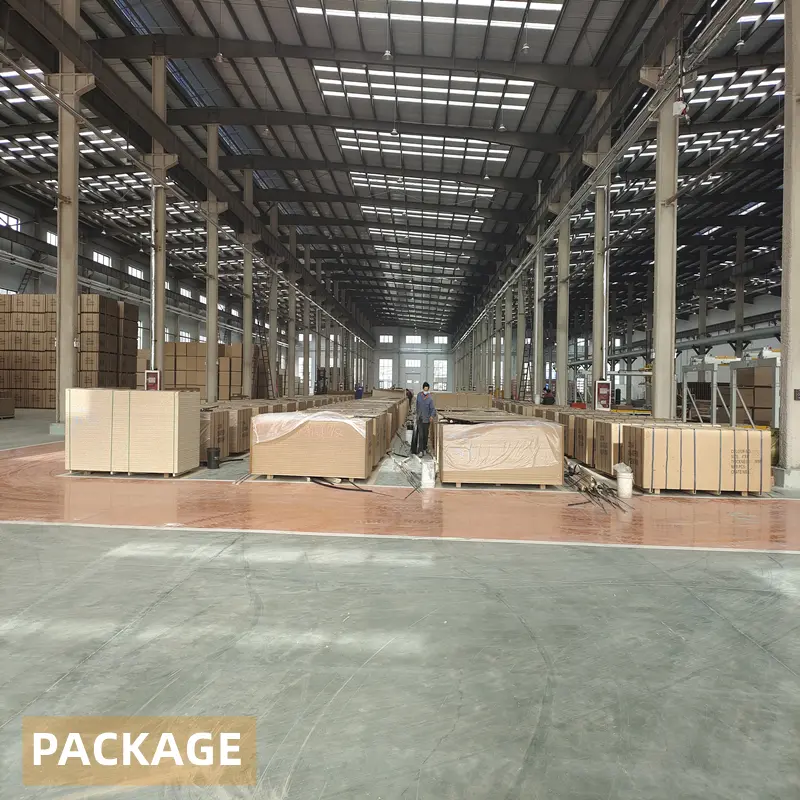
You see it everywhere. Walk into any modern home, hotel, or commercial office space, and you will undoubtedly find it serving as the hidden hero behind the scenes. In fact, over 80% of all flat-pack cabinetry globally utilizes this exact core. But why exactly does it dominate the market? Chipboard is often the absolute top choice for buyers simply because it is vastly less expensive than solid wood. When you are a procurement director managing a massive project, keeping the budget strictly under control is your primary objective. Pennies saved on thousands of sheets translate into massive boosts to the bottom line.
In the global construction of furniture, keeping costs down without losing essential function is critical. This reliable substrate is widely used to make shelves, hidden cabinet boxes, internal drawer components, and large commercial wardrobes. You rarely ever see the raw core in the final consumer environment because it is usually covered with a high-quality melamine skin. This clever combination gives the final item a beautiful, sophisticated look while keeping it impressively cheap to produce. We specialize in providing New Color Melamine plywood 15mm for Furniture and similar hybrid options that mimic expensive timber perfectly.
When Should You Choose MDF Over Solid Wood?
Natural wood is undeniably gorgeous. It boasts a beautiful, completely unique organic grain. However, working with natural timber comes with incredibly frustrating headaches. It can warp, twist, and bow unpredictably depending on the environment. If you absolutely need a perfectly flat face that will stay perfectly flat forever, pick MDF. It does not possess any hidden knots that might ruin a saw blade. It does not twist randomly after it leaves the factory.
Furthermore, you can easily cut it into any complex shape you desire. This predictability makes it an amazing material for modern, sleek interior designs where sharp geometric lines are required. Plus, the incredibly smooth face is absolutely perfect if you want to apply high-gloss paint. It gives a flawless, mirror-like appearance, far superior to painted natural timber which often shows the underlying texture through the gloss.
Does Chipboard Hold a Screw Better Than MDF?
This is a huge question constantly debated on the busy factory floor. When you drive a metal screw into standard chipboard, the notably coarse internal texture actually helps immensely. The large, irregular chunks inside grip the metal threads aggressively. It provides surprisingly excellent holding strength. This is why so many basic cabinetry carcasses are constructed this way; the hinges and drawer runners stay firmly attached.
MDF, on the other hand, is comprised of particles so exceptionally fine that driving a fastener can sometimes split the delicate edge if you fail to carefully pre-drill a pilot hole. The chemical binder heavily utilized in chipboard creates a remarkably strong internal bond that holds up exceptionally well under stress. If you are building a massive commercial bookshelf specifically designed to support heavy loads, standard industrial panels often grip hardware very reliably.
How Do Moisture and Temperature Affect MDF and Chipboard?
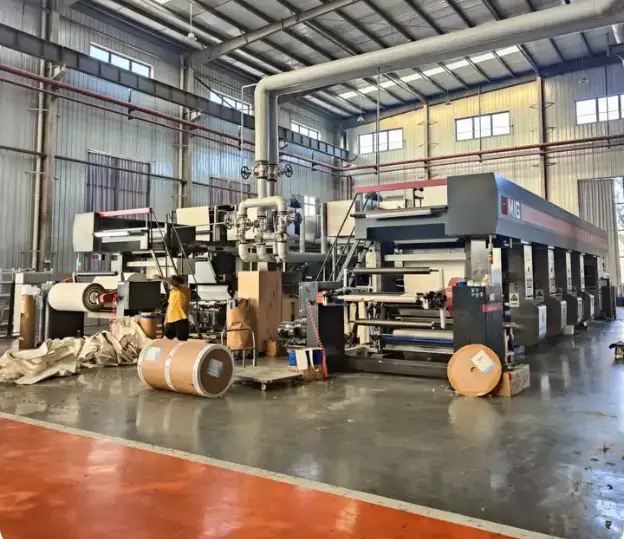
Both of these engineering marvels are ultimately comprised of real wood. Because they contain genuine timber fibers, they absolutely hate standing water. If liquid moisture gets inside the unprotected, bare edges, the core will swell up rapidly like a dry sponge dropped in a bucket. The original engineered thickness will expand dramatically, destroying the tight tolerances required for modern cabinetry assembly.
This swelling causes permanent, completely irreversible damage. You must keep them meticulously dry during transport and installation. Also, extreme temperature changes can marginally affect them, though slightly less than a slab of natural timber. Always ensure you seal all exposed edges properly using high-grade PVC edge banding. If you intend to use this highly sensitive material in a humid environment like a steamy bathroom or a tropical space, you absolutely must buy a specialized moisture-resistant version containing specific green-dyed resins.
Can You Paint MDF and Chipboard Easily?
Applying high-gloss paint directly to MDF is an absolute total dream for professional sprayers. The exterior surface is virtually flawless right out of the factory. You simply apply a reliable primer, lightly sand it down to remove any microscopic imperfections, and roll or spray on your final paint. The final color pops beautifully against the flat background, creating a luxurious, high-end appearance.
Painting chipboard, however, is widely considered a complete nightmare in the finishing department. The rough, uneven bits aggressively soak up the liquid coating like a thirsty sponge. You would need to apply a ridiculously huge amount of heavy filler just to make it look even half decent. That is exactly why chipboard is almost always professionally covered with a pre-finished laminate or melamine skin instead. Do not waste precious factory time trying to paint it directly; it is simply not economically viable. We highly recommend using a pre-finished Hot Sale Melamine Impregnated Paper bonded surface to bypass the painting process entirely.
Is Chipboard Strong Enough for a Floor or Loft?
Can you actually walk on it safely without falling through? Yes! A highly specialized, ultra-high-density grade of chipboard (which some seasoned contractors simply call heavy-duty particleboard) is frequently utilized as a sturdy, reliable sub-floor. It is remarkably tough enough to meet strict residential housing codes across North America and Europe. It forms a perfectly flat base for carpet, tile, or laminate installations.
It can easily handle the daily repetitive impact of heavy human footsteps, moving appliances, and active pets. If you are building a brand new loft space, specialized tongue-and-groove sheets lock together incredibly tightly. This incredibly clever interlocking design maintains absolutely phenomenal structural integrity across wide joist spans. It resists regular, long-term wear remarkably well. Just make sure to keep the installed floor perfectly clean and completely dry before laying your final carpet or tile over the underlying floor. Remember, a wet floor is inevitably a ruined floor.
What Makes MDF a Dense and Smooth Panel?
The real technological magic happens behind closed doors during the highly controlled manufacturing process. The impressive internal density comes directly from pressing microscopic fibers really hard using massive hydraulic machinery. You get a remarkably thick, uniformly heavy panel that feels decidedly premium the moment you pick it up. There are absolutely zero internal voids or hidden weak spots.
It is highly durable against blunt force. When you purchase premium grade bulk stock, you know for an absolute fact you are getting a highly reliable product. It will certainly not let you down during complex CNC machining operations. Using a premium material like this speeds up the entire build considerably by eliminating unexpected blowouts and chipping.
How Do You Choose the Right MDF or Chipboard for Your Next Project?
So, when looking at these distinct options, which material actually wins the battle? It heavily depends entirely on your specific, unique goal. For hidden internal boxes, drawer bottoms, and basic commercial shelving, always use chipboard. It is wonderfully cost-effective, highly efficient, and light enough to transport easily. It makes managing a large-scale project financially viable without sacrificing structural stability.
For fancy exterior cabinet doors, elaborately shaped fascias, or intricately routed parts, always choose MDF. Both substrates are incredibly versatile. Neither is automatically stronger in every single conceivable way; they simply perform distinctly different jobs in the workshop. Some builders even use heavy-duty, specially coated versions as an affordable core for kitchen countertops. Think deeply about your exact needs before ordering. Picking the correct foundational material right from the start ensures your manufactured furniture looks absolutely magnificent for many decades to come.
"Choosing the correct substrate isn’t just about saving money today; it’s about preventing massive warranty claims tomorrow."
The Secret to Sourcing the Best Substrate for Your Production Line
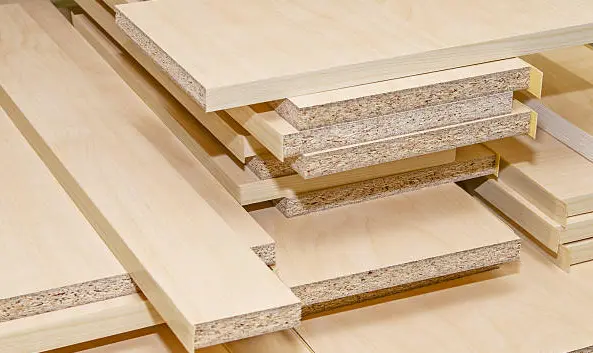
When managing a high-volume factory, consistency is your best friend. A procurement director needs peace of mind knowing that every single pallet delivered will match the last. If you switch suppliers constantly, you risk slight variations in core thickness, which completely ruins your edge banding calibration. When we manufacture our engineered panels, we maintain strict adherence to international tolerances.
By carefully controlling the moisture content of the raw timber and precisely managing the temperature during the pressing phase, we guarantee a stable, predictable sheet. You do not want your machines constantly jamming because a random sheet was improperly compressed. Furthermore, navigating global emissions standards like CARB P2 requires working with a factory that uses certified, low-emission resins. A clean, safe panel protects both your factory workers and the final consumer. When you establish a relationship with a reliable manufacturer offering products like Hot sales LSB for furniture and decoration, this crucial material essentially becomes a worry-free component of your broader supply chain.
Summary
- Choosing between these engineered panels depends entirely on your specific manufacturing needs and budget constraints.
- Standard chipboard offers unmatched durability and affordability, making it ideal for internal carcasses.
- Medium-density fibreboard provides an ultra-smooth, remarkably consistent finish that is perfect for precision routing and high-gloss painting.
- Both substrates absolutely must be protected from standing water to prevent irreversible swelling and structural failure.
- Utilizing high-quality melamine coverings instantly elevates the visual appeal of these cost-effective core panels.
- Working with a reliable, vertically integrated supplier guarantees consistency and strict adherence to global emission standards.
Post time: 05-20-2026