Are you tired of making the wrong panel choices? Procurement directors know the terrible headache of ordering a massive shipment of panels, only to find they swell up instantly when exposed to high humidity. The wrong panel ruins deadlines, inflates budgets, and damages your reputation. In the fast-paced B2B manufacturing world, you simply cannot afford guesswork. You need absolute certainty before you sign that purchase order.
This guide breaks down the core differences between the major panel types on the market today. By deeply understanding the chemical and physical properties of these panels, you can streamline your supply chain, reduce factory waste, and deliver flawless end products to your clients. Whether you run a large cabinet factory or manage commercial builds, knowing your panels is the key to profitability.
What Are Chipboard Sheets and How Do Factories Manufacture Them?
We see these panels everywhere in modern society. From the desks in our corporate offices to the vast walls of exhibition stands. But how exactly are they created? They are a highly efficient form of engineered wood. The process starts with sustainable forestry and recycled timber. Large industrial machines grind this raw timber down into tiny wood chips. These pieces are not random; they are carefully sorted by size and dried in massive kilns to remove all natural moisture.
Next, the dry pieces are mixed with a powerful synthetic resin. This adhesive must meet strict environmental standards, like the CARB P2 rules in the United States, to ensure there are no harmful formaldehyde emissions. The sticky mixture is then poured onto a massive steel conveyor belt and pressed under intense heat and immense pressure. The heat cures the glue instantly, creating a solid, flat panel. It is an incredibly eco-friendly wood product that ensures zero timber goes to waste.
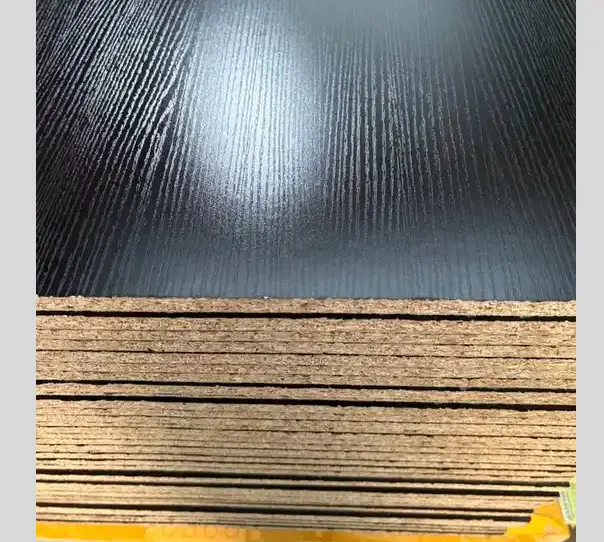
How Does MDF Compare to Standard Chipboard in Commercial Construction?
When you place these two panels side by side, the physical differences are obvious. While standard chipboard is highly textured and chunky, the alternative fiberboard is incredibly smooth. Why is this the case? The manufacturing process for fiberboard uses ultra-fine sawdust and microscopic fibers instead of large chips.
During commercial construction, this smoothness is an absolute game-changer. The uniform face of the fiber panel takes paint beautifully, making it absolutely superior for high-gloss, premium finishes. However, it is significantly heavier and often more expensive. For the hidden interior carcasses of cabinets, builders stick to the lighter, cheaper alternative. You save money and reduce the overall shipping weight without sacrificing structural integrity.
In the global market, shipping costs dictate profit margins. Procurement managers must calculate the weight of every container. Because the chunky chip panels are less dense, you can pack more cubic meters into a standard 40-foot shipping container compared to heavier fiberboards. This slight difference in weight translates to massive savings on international freight.
Why is Chipboard the Top Choice for a Structural Floor?
When you are building a house or a commercial office space, the ground beneath your feet must be rock solid. You simply cannot use weak panels for a demanding floor. Builders rely heavily on specific grades of engineered panels for this critical task. They specifically look for panels with a P5 rating.
This special rating proves that the panel has immense structural integrity. It can support heavy foot traffic, large furniture, and heavy appliances without bowing. A high-quality floor panel features a T&G (tongue and groove) edge. You slide these edges together over a sturdy timber joist. If you apply a strong waterproof adhesive along the joints, the entire platform becomes one solid piece. It offers unbeatable strength and prevents those annoying squeaks when people walk across the room.
Building codes often dictate fire ratings and acoustic performance for floating floors. These dense panels help block sound transmission between levels in apartment buildings, making them highly favored by large-scale residential developers.
Should You Use MDF for Internal Joinery and Furniture?
Walk into any luxury home or high-end office, and look at the flawless baseboards, the sleek window trims, and the custom shelving. This detailed internal woodwork requires a very specific type of panel. For detailed joinery, fiberboard is the absolute king.
A panel made of large chips has a very rough surface. It is highly porous, meaning it drinks up expensive paint like a sponge and leaves a terrible, bumpy finish. Fiberboards do not have this problem. You can run a spinning router bit along the edge, and it cuts like butter. The edges do not crumble or tear out. This makes it the perfect choice for luxury furniture. You get the sleek, modern look of painted timber without the warping and cracking associated with natural wood.
To achieve a truly premium finish on a fiberboard, the preparation is everything. First, you must sand the raw edges with fine grit paper to seal the pores. Next, apply a high-build primer. Once the primer is dry, lightly sand it again before applying the topcoat. By taking the time to properly prep the panel, you elevate a simple piece of engineered wood into a luxury item that commands a premium price in the retail market.
What Are the Different Grades of Sheet Materials Available?
If you are buying panels in bulk for a large contract, you must understand the grading system. Ordering the wrong grade can lead to catastrophic failures. The European standards categorize these sheet materials from P1 all the way up to P7.
P1 and P2 are standard interior panels. You use them for simple, dry tasks where no heavy weight is involved. But if you are building something that requires serious load-bearing capacity in a humid environment, you must upgrade to a P5 panel. These tough panels are easily recognizable on a busy building site because factories dye the core a bright green color. This visual cue ensures that building inspectors know the right panel is being used.
Beyond the European P-grading system, buyers in North America must adhere to strict environmental laws. The most prominent is the CARB P2 certification, issued by the California Air Resources Board. When you specify CARB P2 compliant materials, you guarantee that the final product is safe for indoor air quality. It is crucial to request these laboratory testing certificates from your supplier before you finalize any bulk purchase order.
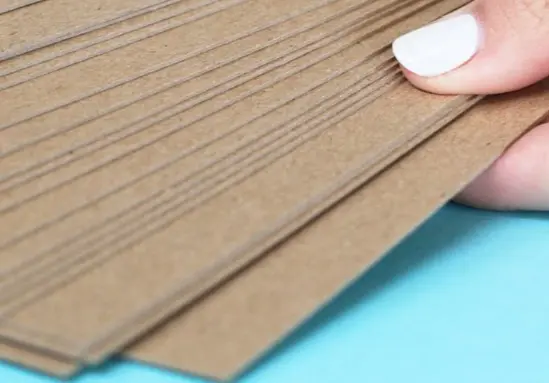
Is MDF or a Lighter Panel Better for a Loft Project?
Converting an empty, dusty attic into a functional storage room or an extra bedroom is a huge undertaking. The logistics are incredibly difficult. You have to carry building supplies up a narrow, steep ladder. For a standard loft upgrade, carrying heavy, massive fiberboards is simply too dangerous and impractical.
This is where smaller, interlocking panels shine. You can purchase them in compact sizes that are easy for one person to safely carry. Once you slide the interlocking edges together over the roof beams, they create a highly stable and safe walking deck. Fiberboards are simply too heavy and lack the specific load-bearing certifications required for this kind of elevated platform. Save the heavy panels for the decorative wall finishes once the structural deck is completely finished.
How to Cut and Prepare Chipboard Safely on the Job?
Safety on the factory floor or the building site is paramount. When you cut into any engineered panel, the friction generates a massive amount of fine dust. This dust contains tiny particles of cured glue and wood fiber. You must always wear a high-quality respirator mask and use industrial dust extraction vacuums.
The most efficient manual tool for sizing these panels is a sharp circular saw. Do not use a dull blade. A blunt blade will tear the panel apart, leaving jagged, ruined edges, and it will put unnecessary strain on your saw’s motor.
In a modern manufacturing facility, manual saws are often replaced by massive CNC routers. These multi-axis machines can slice through stacks of panels with laser-like precision. Proper dust extraction is critical here. A powerful vacuum system must constantly pull the hot dust away from the cutting zone to prevent fires and keep the air clean for the factory workers.
Can MDF Match the Screw Holding Power You Need?
Fastening panels together securely is a major concern for assembly lines and installation crews. If the screws pull out, the cabinet collapses. Because fiberboards have an incredibly high density, they grip the threads of a screw very tightly. However, there is a catch. If you drive a fastener near the very edge of the panel without drilling a pilot hole, the intense pressure will split the panel wide open.
The chunky chip panels hold heavy fixings exceptionally well in the flat face of the panel. For commercial assembly, many factories use specialized confirmat fasteners. These fasteners have deep, wide threads that bite aggressively into the core, ensuring the cabinet never wobbles or falls apart during shipping. It is always wise to test your chosen fasteners on a scrap piece of board before moving to mass production.
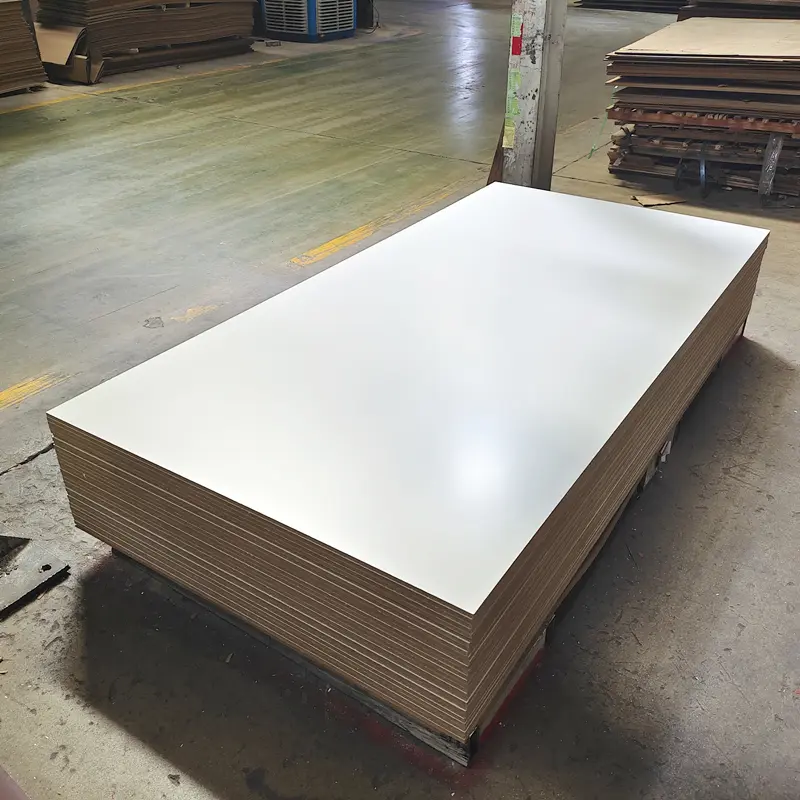
Why is Melamine-Faced Chipboard Essential for a Kitchen?
The environment inside a modern kitchen is brutal. Steam from boiling pots, heat from ovens, and constant water splashes from the sink create a highly humid atmosphere. Standard untreated panels will absorb this moisture, expand, and turn into useless mush.
This is exactly why a specialized moisture-resistant core is mandatory for cabinet boxes. When a factory takes this tough green core and presses a sleek, easy-to-clean plastic layer onto it, they create the ultimate melamine-faced chipboard. The plastic face wipes clean with a simple damp cloth, while the specialized core fights off humidity. This vital moisture resistance protects the entire room from water damage.
While the face of the panel is highly protected by the plastic coating, the edges remain vulnerable. To prevent water damage, manufacturers use high-tech edge banding machines. These machines apply a strip of tough PVC plastic to the raw edge using a hot-melt polyurethane (PUR) adhesive. PUR glue is completely waterproof once it cures, creating an impenetrable seal around the entire panel.
How Choosing the Right Material Saves Money and Stock Headaches?
At the end of the day, B2B purchasing is about protecting your profit margins. Wasting money on the wrong panels is a rookie mistake. You must carefully analyze the specific application before issuing a purchase order.
If you use expensive, heavy fiberboards where a basic panel would do, you bleed cash. If you use cheap, standard panels in a wet bathroom, they will rot, and you will pay double to replace them. Smart procurement directors keep a carefully managed stock of both types. They utilize beautiful Factory Price Wood Grain Melamine MDF Board for intricate, painted doors. They rely on high-quality Wholesales Melamine chipboard wood grain solid color for the hidden structural boxes.
By perfectly matching the material to the exact needs of the project, you guarantee a flawless build. When you import from a vertically integrated factory, you eliminate the middlemen. A reliable supplier controls everything from the raw paper impregnation to the final pressing.
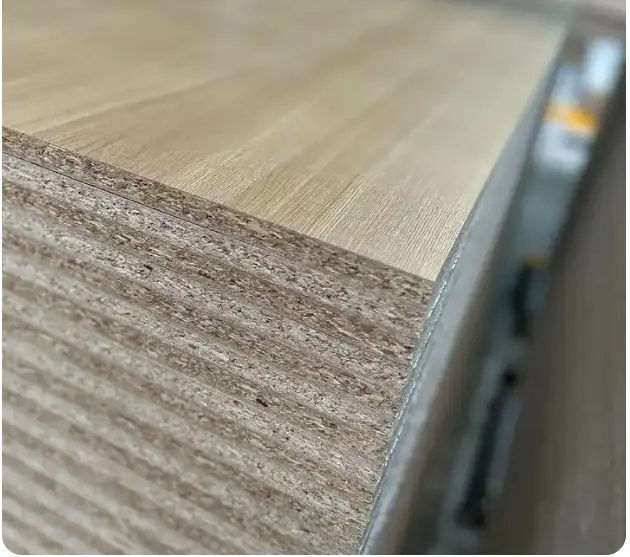
Key Takeaways for Procurement and Builders:
- Assess your environment: Always check if the area is dry or humid before ordering. Specify green-core panels for any area with running water.
- Understand weight vs. finish: Use fiberboards for smooth painted finishes and lighter chip panels for hidden carcasses to save on shipping costs.
- Use the right fasteners: Invest in confirmat fasteners and always drill pilot holes near edges to prevent splitting.
- Protect your workers: Implement strict dust control measures when cutting engineered panels to avoid inhaling cured resins.
- Partner with a reliable supplier: Ensure your factory partner can guarantee consistent thickness, CARB P2 compliance, and color matching across huge B2B batches. Explore options like the 12mm 15mm 18mm 1220x2440mm White Two Sides Melamine Mdf Board For Decoration to see the standard of quality you should expect.
Post time: 05-26-2026