Welcome to the world of engineered wood. I’m Jason Wu, and for over two decades, I’ve been immersed in the production of professional decorative materials at Demeter International. Whether you are a procurement director sourcing materials for a massive modular kitchen project or an interior designer looking for the perfect finish, understanding the nuances of melamine, MDF, and chipboard is crucial.
This article isn’t just a brochure; it’s a deep dive into the materials that build our modern interiors. We will explore why melamine faced boards are the industry standard for cost-effective and durable furniture. We’ll look at the pros, the cons, and the technical secrets to getting the perfect finish every time. Why read this? Because choosing the right substrate and surface can save you thousands of dollars and countless headaches regarding quality control.
What Exactly is Melamine and How is it Used in Furniture Manufacturing?
When people in the industry say "melamine," they are usually referring to a melamine faced board. But let’s break it down technically. Melamine is actually a chemical compound—a base used to create melamine resin. This hard, thermosetting plastic is incredibly resilient. In our factories, we take decorative paper (which gives the board its color or wood grain look), impregnate it with this melamine resin, and then fuse it to a substrate using heat and pressure.
The result is a melamine surface that is permanent. Unlike a sticker that might peel off, the melamine layer becomes physically integrated with the board. It is a low-pressure laminate (LPL) process. This is different from HPL (high pressure laminate), which is thicker and used for countertops. For vertical surfaces like kitchen cabinets, wardrobes, and office furniture, the melamine faced board is the king of versatility.
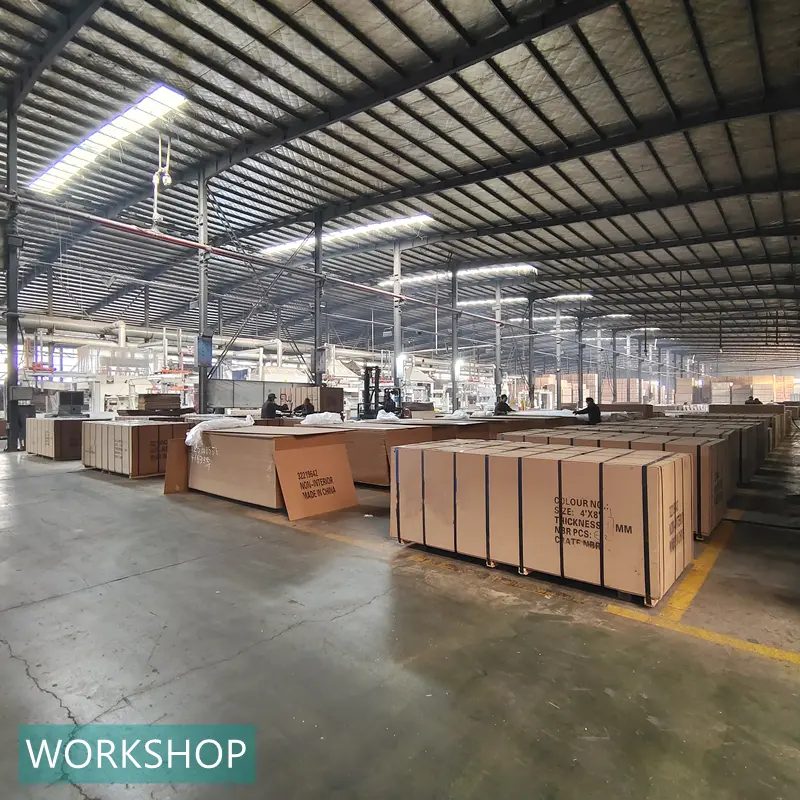
The beauty of this process is the variety. Since we print the paper ourselves, melamine is available in hundreds of designs. From a realistic oak texture to a sleek, high-gloss white, the decorative options are endless. It provides a modern look without the exorbitant cost of solid timber.
MFC vs. MDF vs. Plywood: Which Substrate Suits Your Project?
This is the most common question I get from clients. "Jason, should I use MFC, MDF, or plywood?" The answer depends entirely on the application.
MFC stands for Melamine Faced Chipboard. Chipboard (also known as particleboard) is made from wood chips and resin. It is the most cost-effective solution for furniture carcasses. It’s lightweight and holds screws well, but it doesn’t like water.
MDF (Medium-Density Fiberboard) is made from wood fibers. It is denser and smoother than chipboard. If you need a routed door face or a super smooth high-gloss finish, MDF is the winner.
Plywood is constructed from layers of wood veneer. It has superior strength and better moisture resistance than the other two.
Here is a quick comparison:
| Feature | MFC (Chipboard) | MDF | Plywood |
|---|---|---|---|
| Cost | Most Affordable | Mid-Range | High |
| Surface Smoothness | Good | Excellent | Good |
| Screw Holding | Good | Average | Excellent |
| Moisture Resistance | Low | Low (unless MR grade) | High |
| Best Use | Carcasses, Shelving | Doors, Painted surfaces | Wet areas, Structural |
If you are looking for a Factory Price Wood Grain Melamine MDF Board, we often recommend it for cabinet doors where the surface smoothness is paramount.
Why is MFC (Melamine Faced Chipboard) the Industry Standard?
Melamine Faced Chipboard (MFC) dominates the market, specifically in kitchen and bathroom cabinetry. Why? Because it hits the sweet spot between durability and affordability. For a standard kitchen carcass, you do not need the heavy structural integrity of plywood. You need something stable, easy to cut, and easy to clean.
MFC is highly resistant to everyday wear. Because the core is particleboard, it is lighter to transport than MDF, which saves on logistics costs—a huge factor for my export clients in the USA and Europe. When sealed properly with high-quality edge banding, MFC becomes a robust engineered wood product capable of lasting decades.
We see MFC used everywhere:
- Office furniture (desks and pedestals)
- Kitchen cabinets (carcasses and doors)
- Wardrobes (large sliding doors)
Check out our Wholesales Melamine chipboard wood grain solid color options to see the variety of finishes available on this versatile core.
How Durable is a Melamine Surface for High-Traffic Areas?
One of the biggest misconceptions is that "cheap" means "weak." That is simply not true with modern melamine. The resin coating makes the board non-porous and incredibly tough.
A quality melamine laminate is:
- Scratch-resistant: It withstands sliding pots, keys, and utensils better than paint or varnish.
- Stain-resistant: Wine, coffee, and markers can usually be wiped off with a damp cloth.
- Resistant to heat: While you shouldn’t put a hot pan directly on it, it handles ambient heat well.
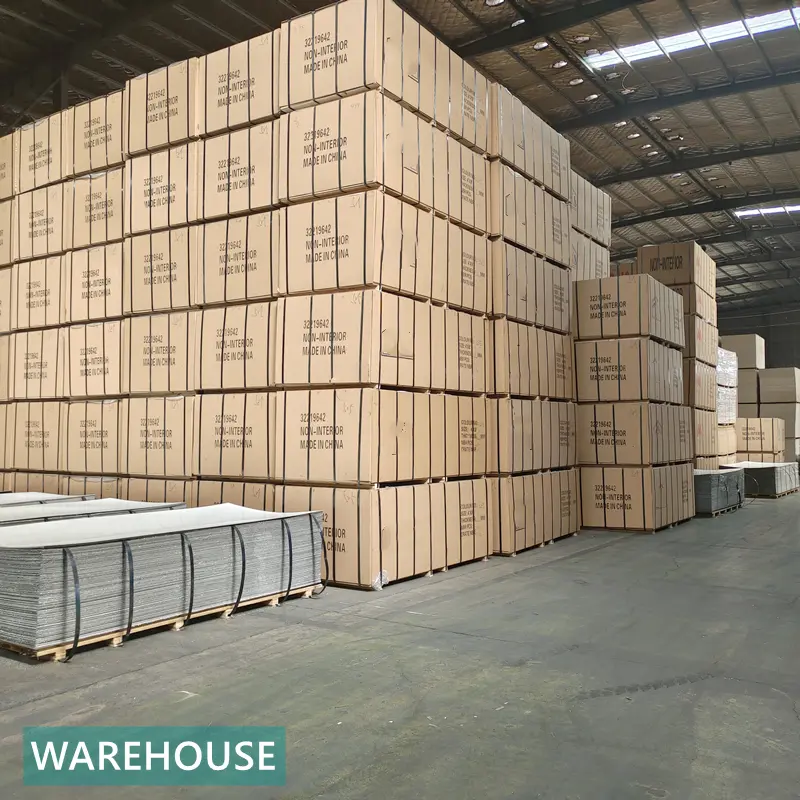
However, durability depends on the substrate. If you use standard chipboard in a soaking wet bathroom, the core might swell if water penetrates the seams. For high-traffic areas or areas prone to moisture, we recommend using a moisture-resistant (MR) core or upgrading to plywood for the sink unit, while using melamine for the rest.
Is There Any Major Disadvantage to Engineered Wood Products?
I believe in transparency. As a manufacturer, I love melamine, but it has a disadvantage or two. The main issue is that unlike solid wood, you cannot sand it down and refinish it. If you deep scratch a melamine surface, you can’t just sand it out; you have to replace the panel or use a repair wax.
Another potential issue is chipping. When cutting melamine faced boards (especially MDF or chipboard), the decorative face can chip if your saw blades aren’t sharp or if you aren’t using a scoring blade. This is why precision manufacturing is key.
However, compared to solid wood, engineered wood is much more stable. It doesn’t warp or crack with humidity changes. So, while you lose the ability to sand it, you gain stability and consistency.
How Do We Ensure Color Consistency in Melamine and Edge Banding?
For my clients like Richard, a procurement director, nothing is more frustrating than color variation. You buy a batch of melamine faced chipboard in January, and when you reorder in March, the shade is slightly off. Or worse, the PVC edge banding doesn’t match the board.
At Demeter, we solve this through vertical integration. Since we produce our own melamine impregnated paper, we control the color at the source. We ensure that the paper used for the laminate surface is chemically identical to the design used for the edge banding.
Color Consistency is vital for high-end furniture manufacturing. Whether it’s solid colors like matte black or intricate wood grain patterns, the transition from the board face to the edge must be seamless. This attention to detail is what separates a budget-friendly option from a cheap-looking product.
Solid Wood vs. Melamine: Which Wins for Modern Interior Design?
Interior design trends have shifted. While solid wood has a classic appeal, it is expensive, heavy, and consumes scarce natural materials. Melamine offers a sustainable alternative. We can replicate the look of rare, exotic woods without cutting down a single endangered tree.
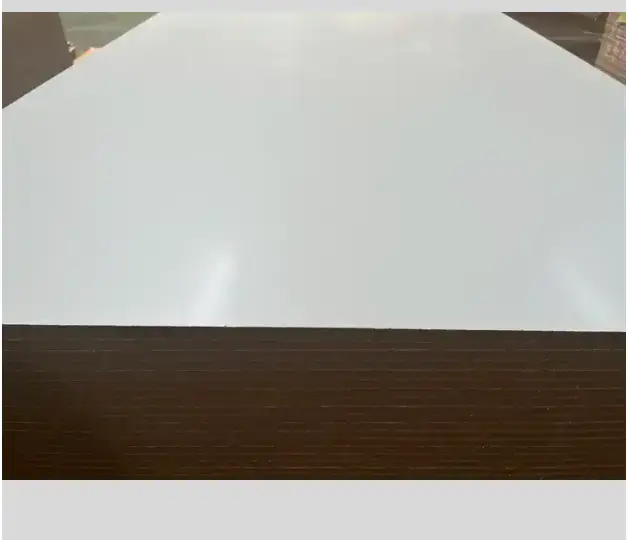
Melamine is available in a range of design options that solid wood can’t offer. Do you want a concrete texture for an industrial loft? We can do that with melamine. Do you want a high-gloss marble look for a fixture? We can do that too.
For modern interior design, melamine faced boards allow for cleaner lines and uniform grain patterns that are impossible to achieve with natural timber. Plus, the ease of maintenance is superior. A damp cloth is all you need to keep it looking new.
Is Melamine Safe for Residential and Commercial Projects?
Safety is non-negotiable. In the past, people worried about formaldehyde emissions from particleboard and MDF. Today, standards are incredibly strict.
Our products meet E1 and CARB P2 (California Air Resources Board) standards. This means the emission levels are negligible and safe for use in homes, schools, and hospitals. The melamine resin itself, once cured, is inert and safe.
When you are sourcing melamine faced chipboard or Factory wholesale cheap price High Quality 3mm… melamine mdf board, always ask for the emission certification. It ensures that the furniture manufacturing process results in a healthy product for the end-user.
What Are the Best Applications for Melamine Laminated Boards?
The versatility of this material is unmatched. Here are the top applications where melamine shines:
- Kitchen Cabinets: The classic use case. MFC provides a hygienic, easy to clean surface.
- Wardrobes: Large MDF or chipboard panels are perfect for sliding doors.
- Office Furniture: Desks and workstations require the scratch-resistant properties of melamine.
- Wall Panels: Decorative melamine panels are increasingly used for feature walls in hotels and offices.
- Shelving: It’s the standard for retail display units.
Because the board is covered with a melamine paper on both sides, it is balanced and ready to use immediately after cutting and edging. There is no need for painting or staining, which speeds up the renovation or production timeline significantly.
Why is Demeter Your Ideal Partner for Decorative Materials?
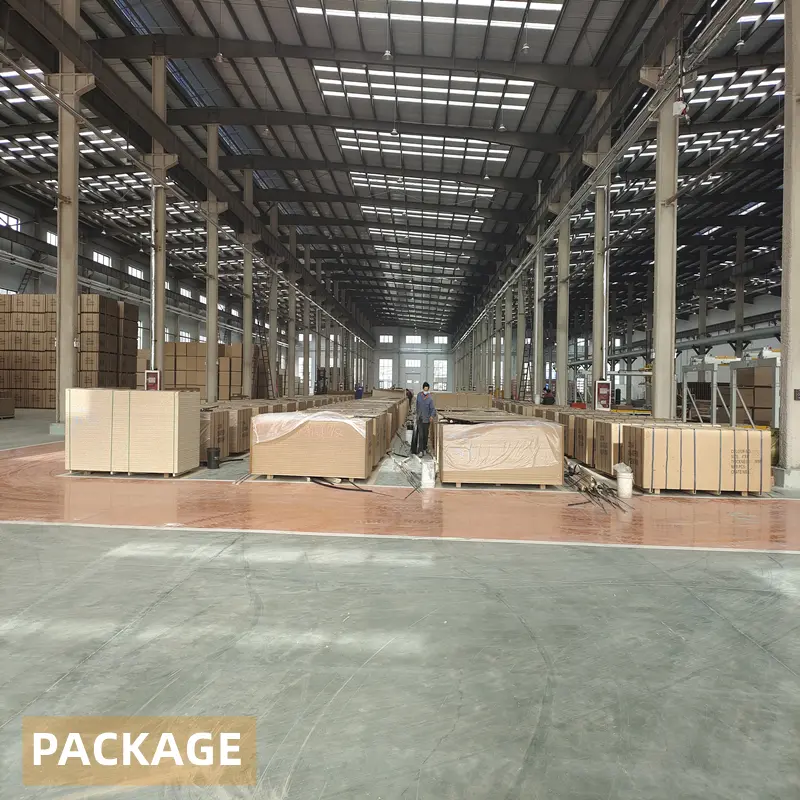
We aren’t just selling boards; we are selling a solution. As a "One-Stop Solution" provider, we handle everything from the Good Quality melamine paper for plywood to the finished board. This vertical integration allows us to offer a cost-effective material without compromising on quality.
We understand the pain points of international buyers—shipment delays, quality variance, and communication gaps. By controlling the supply chain, we eliminate these risks. Whether you need melamine faced chipboard for a budget housing project or high-end melamine plywood for luxury furniture, we have the capacity and the expertise to deliver.
Summary
Choosing the right material is about balancing aesthetics, performance, and budget. Melamine faced boards offer the best of all worlds for modern furniture.
- Melamine is a durable, thermosetting plastic resin applied to paper and fused to boards.
- MFC (Melamine Faced Chipboard) is the most cost-effective and widely used material for carcasses.
- MDF offers a smoother surface for painted effects or high-gloss finishes.
- The material is highly resistant to scratches, stains, and heat.
- Color consistency between the board and edge banding is critical for a professional finish.
- Modern melamine is safe, meeting E1 and CARB environmental standards.
- It is a versatile and cost-effective alternative to solid wood, suitable for various applications from kitchens to offices.
If you are ready to secure a reliable supply of high-quality decorative materials, reach out to us. Let’s build something durable together.
Post time: 01-29-2026