Navigating the complex world of modern building supplies can feel overwhelming. If you are sourcing materials for a massive modular project, you need reliable answers. This guide explores the incredible value behind core sheets. We break down the exact performance traits that make these materials the backbone of the industry. Read on to discover how choosing the right substrate saves massive amounts of time, money, and stress on the factory floor, ensuring your final build stands the test of time.
What Exactly is a Melamine Faced Chipboard Board and How is it Made?
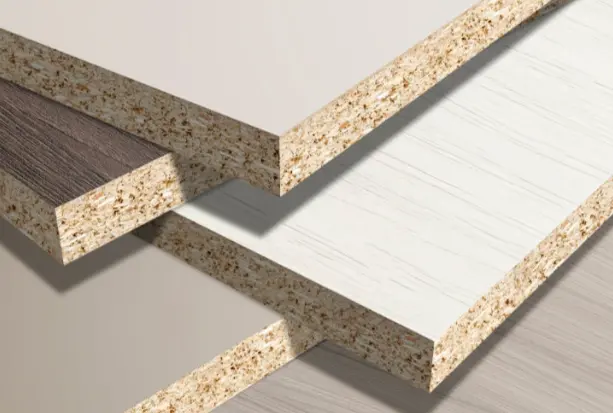
At its very core, a melamine faced chipboard starts as raw wood chips. A manufacturer gathers these small pieces and binds them tightly together using a strong resin. They press this mixture under intense heat to create a flat, rigid board. This base material is widely known as particleboard.
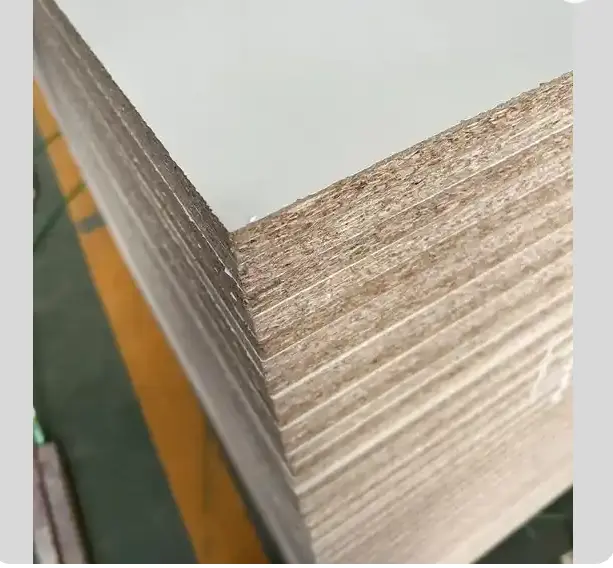
The creation process is actually a marvel of modern manufacturing. Huge timber mills generate mountains of leftover shavings. Instead of burning this waste, processing plants collect it, clean it, and sort the particles by size. The finest particles go to the outer layers to create a smooth face, while the larger chunks stay in the middle for structural integrity. Once the core is pressed and cooled, it is sanded to an exact calibration.
To make it beautiful and functional, the raw core is then covered with a melamine paper. This decorative paper is soaked in a special liquid plastic. When heated and pressed onto the core, it creates a tough, permanent melamine layer. This top skin gives the material its color and its protective qualities.
Because of this efficient process, this cost-effective material is commonly and widely used across the globe. Almost all flat-pack furniture is made using this exact method. It provides a stable, reliable foundation for countless modern building projects. You get a perfectly flat, highly predictable sheet every single time.
MFC vs MDF: Which Core is Better for Your Build?
The debate of MFC vs MDF happens constantly in styling meetings. While they look similar on the outside, their insides are vastly different. The main difference lies in the density of the core. MFC uses chunkier wood pieces, making it lighter. MDF, or medium-density fiberboard, uses microscopic fibers.
If you are building the hidden internal boxes for a storage unit, the lighter chipboard is absolutely perfect. It holds screws securely and is easy to lift. Installers love it because it does not break their backs when they lift heavy upper units into place. However, if you need to route complex 3D shapes into a door front, MDF is the better choice. It cuts cleanly without crumbling, leaving a glass-smooth edge ready for painting or wrapping.
When comparing the two vs each other, remember that the lighter option is generally more affordable. It drastically reduces shipping weight, which saves thousands of dollars on large export orders. A smart builder often mixes both, using the heavy fiber core for fancy doors and the lighter core for the hidden internal carcass boxes.
Why Choose MFC Compared to Solid Wood or Plywood?
Traditionalists love natural timber, but it has major drawbacks. Compared to solid wood, modern engineered sheets do not warp, crack, or twist when the weather changes. Natural lumber requires endless sanding, painting, and sealing. It also depletes precious natural materials, driving costs through the roof.
Similarly, plywood is incredibly strong but often requires heavy surface prep. A pre-finished melamine faced slab skips all those messy steps. It arrives at the factory completely finished and ready to cut. This makes it a highly cost-effective solution for mass production. You do not need an expensive, toxic spray booth to get a perfect look.
By choosing this smart alternative, you enjoy immense affordability without sacrificing style. It allows factories to produce stunning pieces quickly. You get a perfect, flat surface every single time, totally eliminating the unpredictable flaws, knots, and voids found in natural timber.
What is the Ideal Application for Melamine Faced Surfaces?
The sheer versatility of this material is astounding. Its primary application is in heavy-duty furniture manufacturing. Because it is so stable, it serves as the ultimate core for large, flat surfaces.
You will see it constantly used to build massive sliding doors for a bedroom wardrobe. It is the standard substrate for heavy desks and office furniture. Retail stores rely on it to build sturdy display units and every single product fixture you see on the floor. It is perfectly suitable for building robust kitchen cabinets.
- Retail Displays: Excellent for holding heavy merchandise.
- Commercial Desks: Provides a vast, flat working area.
- Storage Units: Keeps items safe and hidden cleanly.
It is an ideal choice for both residential builds and demanding commercial spaces. Whether you are fitting out a luxury hotel room or building a simple sturdy shelve, it simply works. It seamlessly adapts to almost any dry indoor environment.
How Do Thickness and Moisture Resistance Impact Board Performance?
Not all substrates are created equal. The physical thickness of the sheet completely dictates its structural strength. A standard 18mm sheet is perfect for building sturdy cabinetry boxes. If you are building a wide, spanning shelve that needs to hold heavy books, you might step up to a 25mm sheet to prevent sagging in the middle.
The inner packing of the chips also matters. A high-grade board has a tightly packed core that grips screws aggressively. Cheaper, low-grade options have loose, airy cores that easily strip out if you over-tighten a hinge.
Does it offer moisture resistance? Standard cores do not like standing water. However, you can source special green-tinted cores that resist dampness much better. Always match the material to the task. If you are building tall, load-bearing units, invest in a premium, dense core. For simple, lightweight decorative sheets, a standard core works perfectly fine. Consider checking out a premium18mm laminated particle board for an excellent balance of strength and weight.
What Gives MFC Better Durability in High-Traffic Areas?
Busy public spaces destroy weak materials. However, a tough melamine laminate surface is built to survive. The hardened plastic skin is inherently durable and highly resistant to daily abuse.
It is specifically designed to be resistant to scratches and minor impacts. If a customer drags a heavy box across a display table, the hard face protects the core underneath and helps prevent a deep scratch. This exceptional resistance makes it perfect for high-traffic areas like retail cash wraps and busy office desks.
While no material is completely indestructible, this engineered wood product offers vastly better durability than painted drywall or soft pine. It handles the constant wear and tear of a busy commercial space effortlessly, looking fresh for years without needing a new coat of paint.
How Does the Finish Enhance Modern Indoor Spaces?
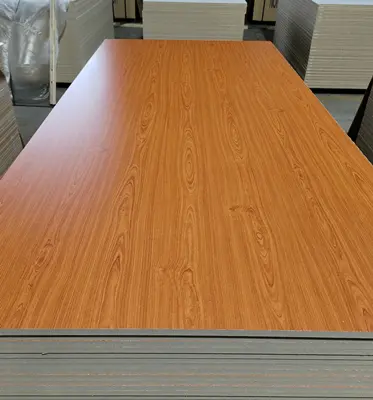
Aesthetics matter just as much as strength. Today, a melamine surface looks incredibly realistic. Factories print high-definition patterns that perfectly mimic nature and provide a uniform look across massive walls.
You can choose from a wide range of looks, including wood patterns like deep walnut or light, airy oak. If you prefer a clean, clinical look, you can choose from hundreds of bright solid colors. This massive variety gives planners incredible freedom when planning a modern interior design.
The aesthetic options are truly limitless. You can match the exact tone and grain of expensive exotic woods for a fraction of the cost. Whether you want a rustic texture or a smooth, matte finish, the options perfectly support any creative vision. Explore the stunningwood grain melamine MDF board collections to see these vibrant details up close.
Is Edge Banding the Secret to Perfect Millwork?
A raw, exposed edge is the weak link of any panel. It looks unfinished and invites damage. The absolute secret to professional results is flawless edge banding.
Factories use specialized machines that apply hot glue and press a tough PVC or ABS strip directly onto the raw edge. This seals the board completely. When the plastic banding matches the face perfectly, the final piece looks like a solid, expensive block of wood. The raw chipboard core is completely hidden from view.
Proper edging is crucial for long-lasting items. It protects the fragile inner core from bumps and completely hides the raw chips. It is the final, vital step that elevates a cheap-looking box into a high-quality item.
How to Clean and Maintain Your Melamine Face?
One of the biggest selling points is the incredible ease of maintenance. The hard plastic skin is entirely non-porous. This means it chemically repels liquids.
If you spill dark coffee or red wine on your new kitchen cabinets, you do not need to panic. The liquid will not soak in and create a permanent stain. You simply wipe it away instantly with a soft, damp cloth. You do not need harsh chemicals or special soaps; warm water does the trick perfectly.
This wipeable surface makes it incredibly hygienic and easy to sanitize. Because water cannot penetrate the face, it also helps prevent dangerous mold growth. It is the perfect, low-maintenance solution for any busy kitchen or washroom setup.
Is this Engineered Panel the Future of Sustainable Building?
The building industry is shifting rapidly toward sustainability. Using this eco-friendly material is a massive step in the right direction. It aggressively utilizes recycled timber and mill waste that would otherwise rot in a landfill.
By maximizing the use of these leftover materials, factories reduce the need to harvest fresh timber. It provides a brilliant way to build beautiful spaces without harming old-growth forests. It represents a massive victory for conservation efforts globally.
If you are looking to update your sourcing strategy, this material is the undisputed future. It successfully balances environmental responsibility with undeniable commercial performance. It easily powers both massive residential and commercial projects worldwide. For your next big run, consider sourcing wholesales melamine chipboard to keep costs low and quality high.
Summary
- These cores provide a flat, stable, and highly predictable foundation for major builds.
- Lighter cores save on shipping and are perfect for internal boxes, while dense fiber cores are ideal for complex doors.
- Pre-finished surfaces completely eliminate the need for expensive and toxic painting booths.
- The tough outer layer resists daily impacts, making it ideal for busy retail and office spaces.
- Advanced printing technology perfectly mimics exotic timbers, providing endless styling freedom.
- Properly applied edging completely seals the core, ensuring maximum longevity and a professional look.
- The wipeable face repels liquids, preventing stains and ensuring easy sanitization.
Post time: 03-27-2026