In my years in the wood-based panel industry, I’ve seen trends come and go. But one material has consistently proven its worth, evolving from a simple building block to a star player in interior design: Medium Density Fibreboard, or MDF. If you’re a furniture manufacturer, an interior designer, or a construction professional, you’ve undoubtedly worked with MDF. But are you harnessing its full potential, especially for wall panelling? This article is your comprehensive guide to understanding why using MDF for wall panels is not just a budget-friendly choice, but often a smarter, more versatile, and more reliable one. We will explore the pros and cons, dive into technical specifics, and share insider knowledge to help you make informed purchasing decisions that elevate your projects and protect your bottom line.
What is MDF and How Is It Manufactured?
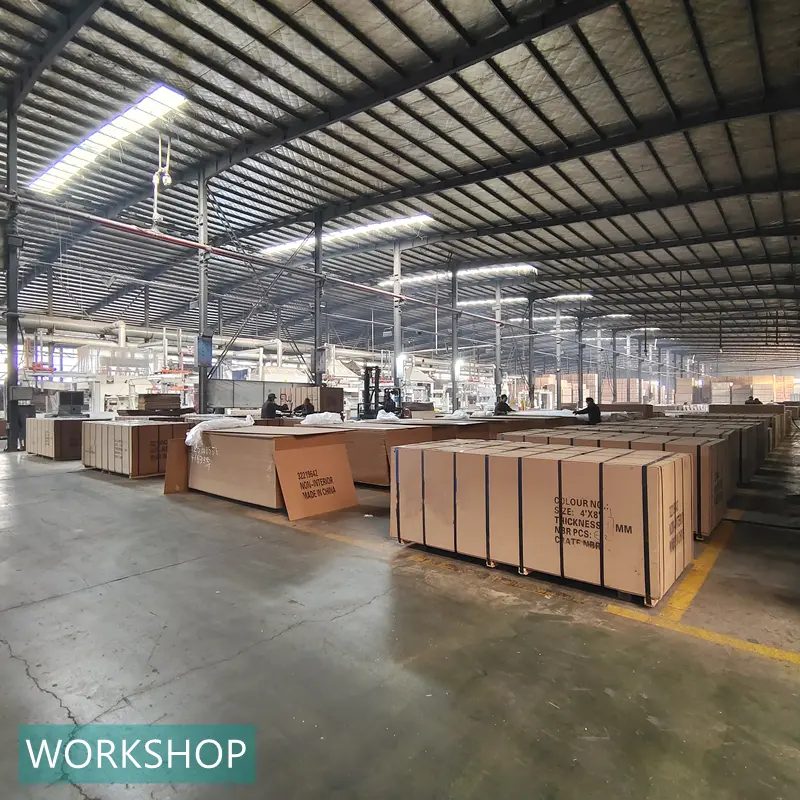
Let’s start with the basics. What exactly is this material we call MDF? The name stands for Medium Density Fibreboard, and it’s an engineered wood product. As a manufacturer, I find the process fascinating. We manufacture MDF by breaking down hardwood or softwood residuals into fine wood fibres. Think of it as turning wood into something with the consistency of cotton candy. These fibres are then combined with a wax and a special resin binder. This mixture is formed into a mat and subjected to high temperature and pressure. This process compresses the fibres and activates the resin, creating a dense, flat, and remarkably uniform panel.
The beauty of this process is the consistency it yields. Unlike solid wood, which has natural imperfections like knots and grain variations, every MDF panel we produce has a uniform density and a perfectly smooth surface. This makes it an ideal substrate for veneers, laminates, and, most importantly for our discussion, paint. When you need a flawless finish, an MDF panel is your best friend. The quality of the final board heavily depends on the wood fibres used and the precision of the manufacturing process, which is why partnering with a reputable factory is crucial.
Why Should You Consider MDF Wall Panels for Your Next Project?
The appeal of wall panel designs has surged in recent years. From traditional wainscoting to modern geometric patterns, mdf wall panels offer a way to add texture, depth, and character to any interior space. So, why is MDF the go-to material for this application? The primary drivers are affordability, versatility, and finish quality. For business owners like Mark Thompson, who I often work with, managing costs without sacrificing aesthetic appeal is paramount. MDF hits that sweet spot perfectly.
An MDF wall panel is significantly less expensive than its solid wood counterpart. This cost-effectiveness allows designers and builders to incorporate high-end looks into projects without breaking the bank, a crucial consideration, especially in the current cost of living crisis. Furthermore, the incredible stability of an MDF panel means it won’t warp or crack with fluctuations in temperature and humidity like solid wood can. This makes it a more reliable choice for creating large, seamless feature walls or intricate mdf panelling designs that need to stay perfect over time. The sleek, uniform surface provides the perfect canvas for a flawless paint job, something that’s much harder and more time-consuming to achieve with grained wood.
What are the Key Advantages of MDF Panelling?
When we talk about the advantages of MDF, there are several key points that make it a champion material for wall panel projects. Beyond the initial cost savings, the practical benefits are what truly win over professionals in the field. The stability of the material is a huge advantage. Because it’s an engineered wood product, MDF doesn’t expand and contract to the same degree as solid wood, meaning your carefully crafted joints and seams will remain tight and clean.
Here are some of the main advantages:
- Smoothness: The surface of MDF is free of knots, grain, and voids. This means less preparation time before painting and a finish that looks professionally sprayed, even when rolled. This uniform surface is a key benefit.
- Workability: MDF is easy to cut and machine without splintering or tearing. This allows for clean, precise cuts and intricate routing, making it ideal for creating custom decorative panel designs.
- Durability: A high-quality MDF panel is surprisingly durable and resistant to pests like termite insects. It’s a sturdy material that can stand up to the daily wear and tear of a busy home or commercial environment.
- Sustainability: Many manufacturers, including ourselves, produce MDF using recycled wood fibres and shavings. This makes it a more environmentally sustainable option compared to solid wood, which requires harvesting whole trees. When sourced from an FSC-certified supplier, you can be sure the panel is part of a responsible supply chain.
MDF vs. Real Wood: Which is Better for Panelling Applications?
This is a question I get all the time. While real wood has a certain classic appeal, for most modern panelling applications, MDF is the superior choice. The decision often comes down to balancing aesthetics, performance, and budget. For a procurement officer, the numbers often speak for themselves. But beyond price, the practical differences in a construction setting are significant.
Let’s break it down in a table for clarity:
| Feature | MDF Panel | Solid Wood Panel |
|---|---|---|
| Cost | Significantly more affordable and budget-friendly. | Premium price, can be 3-5 times more expensive. |
| Surface Finish | Perfectly smooth, ideal for painting. | Natural grain, which can be beautiful but is difficult to paint smoothly. |
| Stability | Very stable; does not warp or crack easily. | Prone to expanding, contracting, and warping with humidity changes. |
| Consistency | Uniform density and appearance, with no knots or defects. | Natural variations, knots, and grain can be unpredictable. |
| Workability | Easy to cut and machine with no splintering. | Can splinter or split, especially when cutting intricate shapes. |
| Moisture | Standard MDF can swell. Moisture-resistant versions are available. | Can rot if exposed to moisture unless properly treated and sealed. |
For most DIY wall panelling and professional installations where the panel will be painted, MDF offers a more reliable and cost-effective path to a high-end look. The consistency of the MDF panel saves time on-site, as there’s no need to sort through boards to find a "good one."
Are There Disadvantages of Using MDF That I Should Know About?
No material is perfect, and it’s important to be aware of the disadvantages of using MDF to use it correctly. The primary weakness of standard MDF is its relationship with moisture. If an unsealed MDF panel gets wet, its fibres will absorb the water and swell. This damage is irreversible. This is why using MDF wall panels in areas with high humidity, like a bathroom, requires a specific type of MDF and careful preparation.
Another consideration is weight. MDF is a dense material, which makes a full sheet quite heavy. This can make handling and installation a two-person job and requires secure fixing to the wall, as it can put extreme stress on fixings if not properly supported. Lastly, the cutting and sanding of MDF creates very fine dust particles. Because it’s made with a resin binder (which can contain urea-formaldehyde), it’s essential to wear a mask and work in a well-ventilated area. This is also why certifications are so important. As a supplier, we ensure our boards meet strict standards like CARB P2 or E0, which limit formaldehyde emissions, making the product safe for interior use. Acknowledging these pros and cons is key to a successful project.
Can MDF Panels Be Used in a Bathroom or Other Humid Areas?
Yes, you absolutely can use an MDF panel in a bathroom, but with a critical caveat: you must use the right type of MDF. Standard-grade MDF is not suitable for any damp or humid environment. For these applications, you need to specify Moisture-Resistant MDF, often referred to as MR MDF. This type of panel is manufactured with a special moisture-repellent resin that significantly reduces its tendency to absorb water.
However, even with MR MDF, proper sealing is non-negotiable. Every single surface and edge of the MDF wall panel must be thoroughly sealed with an oil-based or moisture-resistant primer. I tell my clients to think of it like a boat; one small leak can ruin the whole thing. Pay extra attention to any cut edges or holes drilled for fixtures. After priming, you should apply several coats of high-quality bathroom or kitchen paint, which is designed to provide a protective, waterproof barrier. When installed correctly, moisture-resistant MDF wall panels could provide a durable and stylish look in a bathroom for years.
How Can You Identify and Source High-Quality MDF Panels?
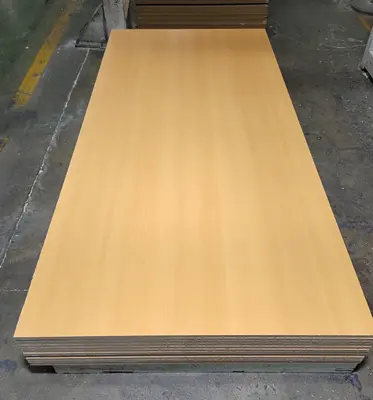
For a business owner like Mark, sourcing consistent, high-quality materials is the bedrock of his company’s reputation. So, how can you tell a premium MDF panel from an inferior one? From my perspective at the factory, it comes down to a few key checks. First, inspect the surface. It should be flawlessly smooth, with no bumps, fibres, or dark spots. A good MDF panel has a uniform, light tan color.
Next, check the core. The density should be consistent from edge to edge and throughout the thickness of the panel. If you see lighter or darker layers, it could indicate poor pressing and an inconsistent panel. Ask your supplier for technical data sheets that specify density, internal bond strength, and dimensional tolerance. Most importantly, always ask for certifications. For products being sold in North America, CARB P2 compliance is a legal requirement. For Europe, E1 or the stricter E0 standard is key. Certifications like FSC (Forest Stewardship Council) also demonstrate a commitment to responsible sourcing. A trustworthy supplier will have these documents readily available and will welcome a discussion about their quality control processes. This transparency is a hallmark of a reliable partner.
What are the Best Practices for Installing MDF Wall Panelling?
Proper installation is what separates an amateur DIY wall panelling job from a professional, long-lasting feature wall. The flexibility and workability of MDF make it forgiving, but following a few key steps will ensure a perfect result. First, let the MDF acclimatize. Store the panels in the room where they will be installed for at least 48 hours. This allows the panel to adjust to the ambient temperature and humidity, reducing the chance of movement after it’s on the wall.
When it comes to fixing the panel, a combination of a strong panel glue and nails or screws is best. Apply the adhesive in a zig-zag pattern on the back of the MDF panel to ensure good coverage. Then, nail the panel to the wall, preferably into the wall studs for a secure hold. Use a nail gun for speed and to properly sink the nail heads just below the surface. After the panels are up, the finishing touches are what create that seamless look. Fill all nail holes and the joints between each panel with a good quality decorators’ caulk or wood filler. Once dry, sand it smooth, and you’re ready for priming and painting. This meticulous approach is what turns a simple MDF sheet into a stunning architectural feature.
What Design Styles Can Be Achieved with MDF Wall Panels?
One of the greatest advantages of using MDF wall panels is the sheer design flexibility they offer. Because MDF can be easily machined, the possibilities are nearly endless. You can create a wide range of aesthetics to suit any interior design scheme, from the most traditional to the ultra-contemporary. Many suppliers offer a wall panel kit for popular styles, which makes DIY wall panelling even more accessible for the enthusiastic homeowner.
Popular styles include:
- Shaker Style: A timeless look characterized by simple, clean lines. This involves creating a frame on the wall using flat strips of MDF, a very popular and easy-to-achieve design.
- Board and Batten: Similar to Shaker but often with wider boards and a more rustic or farmhouse feel.
- V-Groove / Shiplap: These panels have grooves machined into them to mimic traditional wooden planks, perfect for creating a coastal or country aesthetic.
- Geometric Designs: For a modern and bold statement, MDF can be cut into squares, rectangles, or triangles to create an intricate, eye-catching feature wall.
- Fluted and Reeded Panels: This contemporary trend involves panels with concave or convex vertical lines, adding texture and a sense of luxury to a room.
Because an MDF panel has such a smooth surface, it’s the perfect canvas for any color, allowing you to perfectly match your wall panel to your overall design vision. For a more direct and durable finish, consider using a decorative panel like a Factory Price Wood Grain Melamine MDF Board, which provides a finished surface right out of the box.

How Can a Reliable Supplier Mitigate Your Purchasing Pain Points?
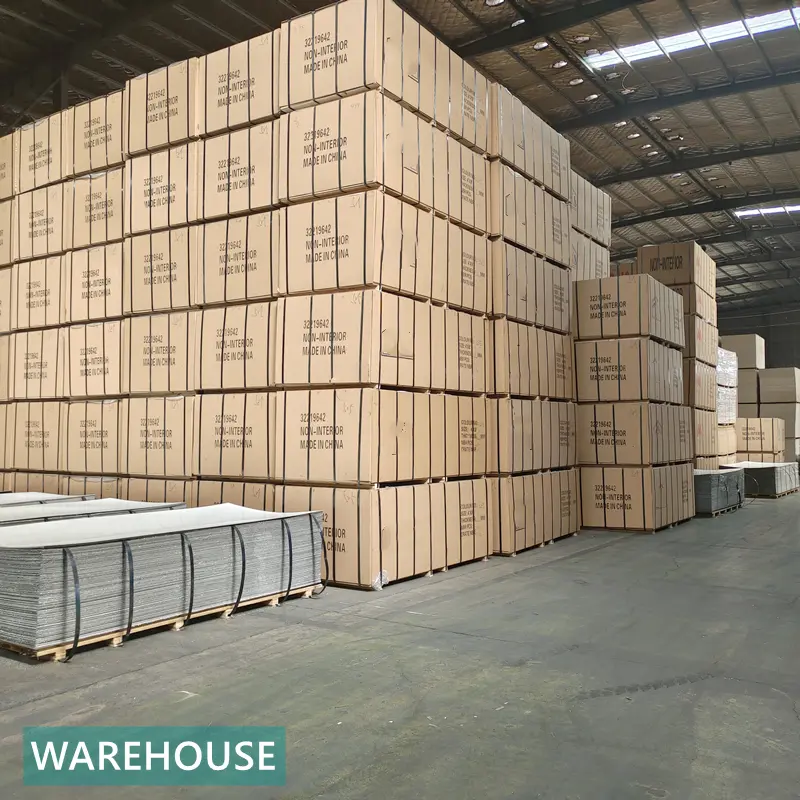
As a manufacturer, I speak with procurement officers like Mark every day. I know their pain points: communication gaps, shipment delays, and inconsistent quality. A good supplier does more than just sell a product; they act as a partner to prevent these issues. Clear, efficient communication is the first step. You need a sales representative who understands the technical aspects of the product and can provide swift, accurate answers. When you ask about MDF density or CARB P2 certification for a Custom Raw Plain MDF Board, you should get a clear answer and the corresponding documentation without delay.
Logistics is another major concern. A reliable factory has established relationships with shipping lines and a deep understanding of the export process. This helps in providing realistic lead times and minimizing the risk of delays that can throw your production schedules into chaos. Finally, quality control is everything. This means having rigorous inspection protocols at every stage of manufacture—from testing the raw wood fibres to checking the final panel for dimensional accuracy and surface defects. A supplier who is confident in their product will be transparent about their processes and may even welcome a third-party inspection. Ultimately, a great supplier relationship is built on trust, and that trust is earned through consistent quality, reliability, and open communication, turning a simple transaction into a powerful partnership. This is the standard we strive for with every panel we ship. For surfaces that require intricate designs, our High Quality Decorative Laminated Melamine Paper offers endless possibilities to complement our MDF core panels.
In conclusion, MDF has firmly established itself as a premier material for creating stunning, durable, and affordable wall panelling. Its blend of workability, stability, and surface perfection makes it a powerful tool for designers, builders, and furniture makers.
Key Takeaways to Remember:
- MDF is a Versatile and Affordable Choice: It provides a high-end look without the high-end cost of solid wood, making it ideal for a wide range of interior projects.
- The Surface is Flawless: The perfectly smooth surface of an MDF panel is its biggest advantage, creating an ideal canvas for a pristine paint finish.
- Be Mindful of Moisture: Always use moisture-resistant (MR) MDF for any application in a bathroom or other humid environment, and ensure every edge is perfectly sealed.
- Quality and Certification Matter: When sourcing, prioritize suppliers who can provide technical data and prove compliance with safety standards like CARB P2 and E0.
- Installation is Key: Proper acclimatization, fixing, and finishing are crucial for a professional and long-lasting result.
- Design Potential is Limitless: From classic Shaker to contemporary geometric patterns, MDF can be shaped to fit any aesthetic vision.
Post time: 08-14-2025