Welcome! Are you curious about veneer MDF? Maybe you’ve heard about it and wonder if it’s right for your furniture projects or design ideas. Well, you’re in the right place! This article is your friendly guide to understanding everything about veneer MDF boards. We’ll explore what veneer MDF is, why it’s such a popular choice, look at different types like oak veneer and walnut veneer, and see how it can bring beauty and practicality to your work. If you’re looking for a high-quality, attractive, and wallet-friendly material that looks like solid wood but offers more, keep reading. We are Demeter Decorative Materials, and as a factory specializing in these products, we want to share our knowledge to help you make the best choices.
What Exactly is Veneer MDF and How is it Made?
So, what is this veneer MDF we’re talking about? Imagine a sandwich. The inside part, the main filling, is MDF, which stands for Medium Density Fiberboard. MDF itself is an engineered wood product. We make it by breaking down hardwood or softwood residuals into fine wood fibers, mixing them with wax and a resin binder, and then forming panels by applying high temperature and pressure. This process creates a very smooth, stable, and consistent mdf board.
Now, for the "veneer" part. A veneer is a very thin layer of real wood veneer. Think of it like super-thin slices of wood veneer, usually less than 3mm thick, often around 0.5mm. To make veneer MDF, we take these beautiful slices of wood (the veneer) and glue them onto one or both sides of the MDF core. This bond is created using adhesives under pressure, ensuring the veneer layer sticks firmly to the mdf panel. The result? A panel that has the beauty of natural wood on the surface, thanks to the veneer, and the strength and stability of MDF underneath. It’s a smart way to get the best of both worlds!

This process allows us to offer a product that showcases the natural beauty of wood veneers, complete with their unique grain patterns, but is often more practical and affordable than using solid wood for the entire piece. The smooth surface of the MDF is an ideal base for applying the thin veneer, leading to a flawless finish. Many of our customers, including furniture makers and interior designers, appreciate veneer MDF for its consistent quality and appearance.
Why Choose Veneer MDF Over Solid Wood or Other Panels?
You might be wondering, "Why should I pick veneer MDF instead of just using solid wood or maybe plywood?" That’s a great question! Many of our clients, like Mark Thompson, a company owner in the USA who buys materials for his furniture business, look for both quality and good value. Veneer MDF often hits that sweet spot.
Here are some key reasons:
- Cost-Effective: Generally, veneer MDF is less expensive than solid wood. This is because only a thin layer of the precious wood veneer (like oak or walnut) is used on the surface. The MDF core is more economical to produce. This means you can get the luxurious look of expensive woods without the hefty price tag. This is a big plus for large projects or when trying to manage budgets for kitchen cabinets or office furniture.
- Stability: Solid wood is beautiful, but it can sometimes warp, twist, or crack with changes in temperature and humidity. MDF, being an engineered wood product, is much more stable. It resists these changes better, so your furniture pieces or panels made with veneer MDF are likely to stay flat and true for longer. This durability is a significant advantage.
- Consistency: Veneer MDF sheets offer a more uniform appearance in terms of color and wood grain compared to solid wood, which can have many natural variations. While the veneer itself is natural wood and will have some uniqueness, the overall look across multiple veneered mdf sheets is often more consistent. This is helpful when you need several matching panels for a large cabinet run or wall paneling.
- Smooth Surface for Finishing: The MDF base provides a very smooth surface, which is excellent for applying the veneer. This also means that if you’re painting edges or other parts, the MDF takes paint very well. The finish on the veneer itself can also be very sleek.
- Workability: MDF is easy to cut, drill, and machine without splintering, which can sometimes be an issue with solid wood. This makes the manufacturing process for furniture and cabinetry more efficient.
- Eco-Friendlier (in some ways): Because veneer uses wood more efficiently (many thin slices from one log), and MDF can be made from recycled wood fibers and smaller trees, veneer MDF can be a more sustainable option than using large pieces of solid wood. We always try to source our raw materials responsibly.
While solid wood has its undeniable charm and strength for certain applications, veneered mdf provides a fantastic alternative to solid wood that balances beauty, performance, and cost. It’s also often preferred over veneered plywood for applications needing a smoother edge finish.
What Are the Most Popular Types of Wood Veneer for MDF? (Oak, Walnut, Ash, Maple)
The beauty of veneer MDF comes from the veneer itself! There are many veneer options available, each giving a different look and feel. As a manufacturer, we work with a variety of natural wood veneers. Here are some of the most popular choices our customers often request:
- Oak Veneer MDF: Oak is a classic favorite. It’s known for its strength and beautiful grain patterns. You can find oak veneer in different cuts, like crown cut (which gives a distinct, cathedral-like pattern) or quarter cut (straighter grain). Oak veneered mdf is very versatile and used for everything from traditional to modern furniture. It also takes stain very well, allowing for a range of color finishes.
- Walnut Veneered MDF: Walnut veneer offers a rich, dark, and luxurious look. It often has a smooth, fine grain with beautiful swirls. Walnut is perfect for creating sophisticated furniture pieces, decorative panels, and high-end cabinetry. Its deep color adds warmth and elegance to any space.
- Ash Veneered MDF: Ash veneer is typically lighter in color, often creamy white to light brown. It has a prominent, straight grain that can be quite striking. Ash is a strong hardwood veneer and is great for modern designs. Ash veneered mdf can be left natural or stained to mimic other woods.
- Maple Veneered MDF: Maple veneer is another light-colored option, known for its smooth texture and subtle grain pattern. It’s very popular for contemporary furniture and bright interiors. Maple provides a clean, fresh look and is also very durable.
Beyond these, other lovely veneer options include:
- Cherry Veneer: Warm reddish tones, fine grain.
- Beech Veneer: Light color, consistent grain.
- Teak Veneer: Known for its durability and rich golden-brown color, often used in boat building but also for premium furniture.
- Mahogany Veneer: Reddish-brown, classic and elegant.
We also offer engineered wood veneers, which are made by dyeing and layering real wood to create consistent and sometimes exotic patterns. The choice of veneer really depends on the desired aesthetic, the project’s budget, and the specific design ideas you have in mind. We always recommend looking at samples to truly appreciate the natural beauty of wood veneers.
Understanding the MDF Core: What Should You Know About Types of MDF?
The "MDF" in veneer MDF is just as important as the veneer on top! The MDF core provides the structure, stability, and much of the performance characteristics of the panel. Not all MDF is the same, and as a factory, we use different types of MDF depending on the customer’s needs and the intended application.
Here’s a simple breakdown of common MDF types:
- Standard MDF: This is the most common type of mdf board used for general interior applications like furniture, cabinets, and moulding. It’s cost-effective and offers a smooth, consistent surface perfect for applying veneer. Our high-quality raw MDF is a great example of a reliable core material. It’s made from fine wood fibers bonded with resin.
- Moisture-Resistant MDF (MR MDF): As the name suggests, MR MDF is designed for use in areas with higher humidity, like bathrooms and kitchens (though not for direct water contact). It has special moisture-repellent resins mixed in during production. This helps prevent the panel from swelling or degrading as quickly as standard mdf might in damp conditions. This is crucial for kitchen cabinets or vanity units.
- Fire-Retardant MDF (FR MDF): This type of MDF has fire-retardant chemicals added during its manufacture. It’s designed to slow down the spread of flames and reduce smoke production in a fire. FR MDF is often required for public buildings, commercial spaces, and specific construction applications to meet safety regulations.
- Lightweight MDF / Ultralight MDF: These are less dense than standard mdf, making them easier to handle and transport. They are suitable for applications where weight is a concern, such as caravan interiors or exhibition stands. However, they might not be as strong as standard MDF.
- Exterior MDF: This is a more specialized and less common product, designed for some outdoor applications. It has a higher resin content and specific treatments to withstand weather conditions.
When you’re choosing veneer MDF, it’s good to ask about the mdf core. For most furniture and interior decorative uses, standard mdf is perfectly suitable and provides excellent value. However, if your project has specific requirements (like needing moisture resistance), it’s important to specify that. We ensure our MDF core material meets quality standards, such as CARB P2 or E1/E0 for formaldehyde emissions, which is a key concern for health-conscious customers and for export to markets like the USA and Europe. The quality of the mdf core directly impacts the longevity and performance of the final veneered mdf board.
What Common Sheet Sizes and Thicknesses are Available for Veneered MDF Sheets? (e.g., 6mm, 16mm, 2440mm x 1220mm)
When you’re planning a project, knowing the available sheet sizes and thickness options for veneered MDF sheets is super important. It helps you design efficiently, minimize waste, and ensure the panel is right for the job. As a manufacturer, we offer a range of standard options, and can sometimes accommodate custom requests.
Common Sheet Sizes:
The most widely available sheet sizes for veneered mdf panels are:
- 2440mm x 1220mm: This is a very common size, roughly equivalent to 8 feet x 4 feet. It’s a versatile size for many applications, from furniture making to wall paneling. Many cutting lists and designs are based on this dimension.
- 3050mm x 1220mm: This is a larger sheet, about 10 feet x 4 feet. It’s useful for projects requiring longer, seamless pieces, like tall wardrobe doors or long countertops (though for countertops, other materials are often preferred for durability).
Sometimes, other sizes might be available or can be produced, but 2440 x 1220mm is the go-to for most. It’s always a good idea to check with your supplier, like us at Demeter, about current stock and possibilities.
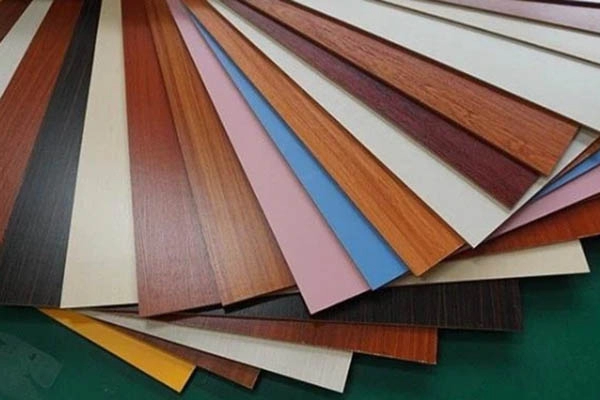
Common Thicknesses:
Veneer MDF comes in various thicknesses to suit different structural and aesthetic needs. Here are some typical thickness options:
- 3mm / 4mm: Thinner boards, often used for cabinet backs, drawer bottoms, or decorative applications where not much strength is needed.
- 6mm: A bit more rigid, can be used for lightweight shelving (with good support), door panels (within a frame), or thicker backing boards.
- 9mm / 12mm: Good for general construction, cabinet components, and some types of furniture.
- 15mm / 16mm: Very popular for furniture carcasses, shelving, and general joinery. This thickness offers a good balance of strength and weight.
- 18mm / 19mm: A standard and robust thickness for high-quality furniture, kitchen cabinets, worktops (with appropriate support and edging), and structural components.
- 25mm: Used for chunkier designs, thick tabletops, and applications requiring extra strength and presence.
The veneer layer itself is very thin (usually around 0.5mm to 0.6mm), so it doesn’t add much to the overall thickness of the mdf board. The choice of thickness will depend on factors like the span of a shelf, the weight it needs to hold, or the desired visual bulk of the furniture pieces. We can help guide you on the best thickness for your specific furniture projects.
How Do We Ensure the Quality of Veneer MDF?
Quality is everything, right? Especially when you’re making furniture or creating beautiful interiors. Mark Thompson, our typical customer from the USA, always emphasizes the importance of quality inspection. He needs to know the veneer MDF he buys will look great and perform well. As a dedicated manufacturer, ensuring the high-quality of our veneer MDF is a top priority for us at Demeter.
Here’s how we focus on quality at different stages:
-
Raw Material Selection:
- MDF Core: We start with a good quality MDF core. This means checking its density, surface smoothness, and internal bond strength. We also ensure it meets relevant standards for formaldehyde emissions, like CARB P2 or E1/E0, which is critical for health and for exporting to many countries. Our Custom Raw Plain MDF Board options are carefully selected.
- Veneer Quality: The wood veneer itself is closely inspected. We look for consistent thickness, desirable grain patterns, and freedom from defects like cracks, splits, or excessive knots (unless a rustic look is desired). Color consistency within a batch of veneer is also important.
- Adhesives: We use high-quality glue (adhesives) to ensure a strong and lasting bond between the veneer and the MDF core. The right adhesive prevents delamination (where the veneer peels off).
-
The Veneering Process:
- Surface Preparation: The MDF panel surface must be perfectly clean and smooth before the veneer sheet applied.
- Application: The thin wood veneer is carefully applied to the side of the board (or both sides). We control the pressure and temperature during the pressing process to ensure an even and strong bond.
- Trimming and Sanding: After pressing, the edges are trimmed, and the veneered mdf board is often lightly sanded to create a perfectly smooth surface, ready for finishing.
-
Quality Control Checks:
- Visual Inspection: Each veneered mdf panel is visually checked for any surface defects, such as bubbles, wrinkles in the veneer, glue seepage, or scratches. We check the finish and consistency of the wood grain.
- Bond Strength: We perform tests to ensure the veneer layer is securely attached to the mdf core.
- Dimensional Accuracy: We check that the veneered mdf sheets meet the specified dimensions for length, width, and thickness.
- Moisture Content: The moisture content of the finished panel is important for its stability. We aim for an optimal range.
As Allen, representing our factory, I can tell you that we understand the pain points some buyers face, like inconsistent quality or communication issues. That’s why we’ve built our processes to be transparent and reliable. We encourage discussions about quality expectations and are happy to provide samples for evaluation. Our goal is to deliver veneer MDF that you can trust for your furniture and design ideas.
Can Veneer MDF be Finished, Stained, or Painted?
Absolutely! One of the great things about veneer MDF is its versatility when it comes to finishing. Because the surface is real wood veneer, you can treat it much like you would solid wood. This allows you to customize the look to perfectly match your design ideas.
Here are the common ways to finish veneer MDF:
- Clear Coating (Lacquer or Varnish): This is perhaps the most popular option. A clear finish protects the veneer and enhances its natural wood beauty. It brings out the depth of the grain patterns and color of woods like oak veneer, walnut veneer, or maple veneer. You can choose different sheen levels, from matte to high gloss. This is ideal when you want the natural beauty of wood veneers to be the star.
- Staining: If you want to change the color of the veneer or make it look like a different type of wood, you can use a wood stain. For example, a light-colored ash veneer could be stained to a richer, darker tone. Staining allows for a lot of customization. After staining, a clear protective coat is usually applied.
- Oiling: Wood oils penetrate the veneer, nourishing it and giving a very natural, matte finish. Oiled finishes are easy to repair but might need more frequent reapplication than lacquers. This is great for a more traditional or rustic look on your furniture pieces.
- Painting (Edges or for Effect): While the main idea of using veneer MDF is to showcase the wood veneer, you can paint the MDF edges if they are exposed. Some designs also incorporate painted sections alongside veneered surfaces for contrast. If you wanted to paint the entire surface, you’d typically use plain MDF, not veneer MDF, but it’s technically possible.
Important Tips for Finishing:
- Sanding: Always sand the veneer surface lightly with fine-grit sandpaper before applying any finish. This ensures the surface is perfectly smooth and helps the finish adhere properly. Be careful not to sand through the thin veneer layer!
- Testing: It’s a good idea to test your chosen stain or finish on a small, inconspicuous area or a scrap piece of the same veneer MDF first. This way, you can see how it looks before committing to the whole panel.
- Edge Treatment: The exposed edges of veneer MDF will show the MDF core. These can be concealed with matching wood veneer edge banding, solid wood lipping, or they can be filled, sanded smooth, and painted. We, at Demeter, also supply edge banding solutions.
The ability to apply various finishes makes veneer MDF incredibly adaptable for all sorts_of furniture projects and interior design schemes. Whether you want a natural oak look, a dark walnut elegance, or a custom-stained color, veneer MDF can deliver.
What are the Key Applications for Veneered MDF Panels in Furniture and Interior Design Ideas?
Veneered MDF panels are incredibly versatile and are used in a huge range of applications. Because they combine the beauty of real wood veneer with the stability and cost-effectiveness of MDF, they are a go-to material for many designers, architects, and furniture manufacturers. Veneered mdf is widely appreciated in the industry.
Here are some of the main places you’ll find veneer MDF being used:
- Furniture Manufacturing: This is a big one!
- Cabinetry: Kitchen cabinets, bathroom vanities, storage cabinets. The doors, drawer fronts, and even the carcasses can be made from veneer MDF.
- Tables: Coffee tables, dining tables, side tables, and office furniture like desks.
- Wardrobes and Closets: Doors, shelving, and internal dividers.
- Shelving Units and Bookcases: For a stylish and strong shelving solution.
- Bed Frames and Headboards: Creating beautiful and durable bedroom furniture pieces.
- Office Furniture: Desks, credenzas, meeting tables, and reception counters.
- Interior Design and Architectural Millwork:
- Wall Paneling: Creating feature walls or adding warmth and texture to a room. Decorative panels made from veneer MDF can transform a space.
- Doors: Internal doors can be faced with veneer MDF for a high-end look.
- Shopfitting and Retail Displays: Used to create attractive shelving, display cases, and counters in stores.
- Hotel and Restaurant Fit-Outs: For reception desks, bar fronts, wall features, and furniture in guest rooms and dining areas.
- Moulding and Trims: Skirting boards, architraves, and other decorative trims can be made with veneer MDF.
- Ceiling Panels: For decorative ceiling treatments.
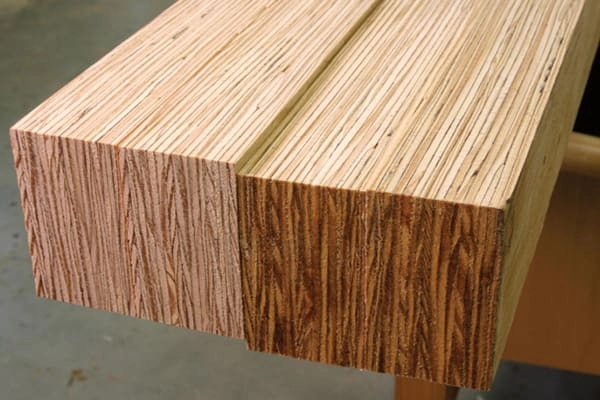
The reason veneer MDF is so popular in these areas is its ability to provide the look of solid wood without the higher cost or potential for warping. The variety of veneer options, from common oak and maple to more exotic choices like teak or walnut, means designers can achieve almost any aesthetic. Plus, its consistency makes it easier to work with on large projects where multiple matching panels are needed. For anyone looking for design ideas that incorporate the warmth of wood, veneer MDF is a fantastic material to consider.
Veneer MDF vs. Melamine MDF: Understanding the Differences
When people are looking for decorative boards, they often come across both veneer MDF and melamine MDF. While both use an MDF core and are used for similar applications like furniture and cabinetry, their surfaces are quite different. Understanding this difference is key to choosing the right material.
Veneer MDF:
- Surface: A thin layer of real wood veneer (e.g., oak veneer, walnut veneer).
- Look and Feel: Has the authentic look, feel, and grain patterns of natural wood. Each panel can be unique, just like solid wood.
- Finish: Can be stained, oiled, or lacquered like solid wood. The finish can enhance the natural beauty of wood veneers.
- Durability: The veneer is real wood, so it can be scratched or dented, similar to solid wood. Repairs can sometimes be more complex.
- Cost: Generally more expensive than melamine MDF due to the cost of the real wood veneer and the process of applying it.
- Best For: Applications where the authentic look and feel of natural wood are desired, like high-quality furniture, feature panels, and architectural millwork.
Melamine MDF:
- Surface: A decorative paper layer impregnated with melamine resin, then thermally fused to the MDF core. This paper can be printed with a wood grain pattern, solid color, or other designs.
- Look and Feel: The surface is very smooth and can convincingly mimic wood grain, but it doesn’t have the same tactile feel as real veneer. The patterns are printed, so they are very consistent.
- Finish: The melamine surface is the final finish. It’s hard, durable, and resistant to scratches, stains, and moisture. It doesn’t require any further finishing.
- Durability: Melamine is very tough and easy to clean, making it a practical choice for high-use areas.
- Cost: Generally more affordable than veneer MDF. This makes cost-effective melamine MDF boards a popular choice for many projects.
- Best For: Applications where durability, ease of maintenance, and cost-effectiveness are key, such as kitchen cabinets, office furniture, children’s furniture, and commercial fittings. We offer a wide range of decorative melamine papers that create these versatile surfaces.
Which one to choose?
If you want the genuine look and feel of wood and your budget allows, veneer MDF is a beautiful choice. You get the character of real wood veneers.
If you need something very durable, easy to clean, available in many colors/patterns, and more budget-friendly, melamine MDF is an excellent option. It’s a workhorse material for modern furniture.
As Allen from Demeter, I can say we proudly manufacture both high-quality veneer MDF and melamine MDF products. We understand that different projects have different needs, and we’re here to help you select the best panel for your specific requirements. We often find that procurement officers like Mark Thompson, who value both quality and competitive pricing, might use veneer MDF for premium lines and melamine MDF for more volume-driven product ranges.
Tips for Working With and Caring for Your Veneer MDF
So, you’ve chosen veneer MDF for your project – great choice! To get the best results and keep it looking good for years, here are a few tips from us at the factory on how to work with it and care for it.
Working with Veneer MDF:
- Handling: Handle veneered mdf sheets with care to avoid scratching or damaging the thin veneer layer. Store them flat in a dry, stable environment to prevent warping.
- Cutting: Use sharp blades on your saws to get clean cuts and minimize chipping of the veneer. A fine-toothed blade is usually best. Scoring the cut line with a sharp knife before sawing can also help prevent splintering, especially with delicate veneers.
- Drilling: Again, use sharp drill bits. You can put masking tape over the area where you’ll drill to help prevent the veneer from tearing out as the bit exits.
- Joining: Standard woodworking joints (like dowels, biscuits, or screws) work well with veneer MDF. Pre-drilling pilot holes for screws is recommended, especially near edges, to prevent the MDF from splitting.
- Edge Treatment: This is important! The exposed edges of veneer MDF will show the MDF core. To get a professional finish, you need to cover these edges.
- Veneer Edge Banding: This is a thin strip of matching wood veneer with an adhesive backing (iron-on) or without (applied with glue). It gives a seamless look, making the panel appear like solid wood.
- Solid Wood Lipping: A thicker piece of solid wood can be glued to the edge. This is more durable and allows for shaping the edge profile (e.g., rounding it over).
- Painting/Filling: Edges can also be filled, sanded smooth, and painted, perhaps in a contrasting color or to match other elements.
- Sanding: If you need to sand the veneer surface before finishing, do it very carefully with fine-grit sandpaper (220 grit or finer). Remember, the veneer layer is thin – you don’t want to sand through it! Always sand in the direction of the wood grain.
Caring for Veneer MDF Furniture and Panels:
- Cleaning: Dust regularly with a soft, dry cloth. For cleaning, use a slightly damp cloth, then wipe dry immediately. Avoid using harsh chemical cleaners or abrasive sponges, as these can damage the finish and the veneer.
- Avoid Excessive Moisture: While the finish offers some protection, try to protect veneer MDF from prolonged exposure to water or high humidity (unless it’s made with an MR MDF core and appropriately finished for such an environment). Wipe up spills quickly.
- Protect from Scratches: Use coasters under drinks, placemats under hot dishes, and felt pads under objects that might scratch the surface.
- Sunlight: Prolonged exposure to direct sunlight can cause some wood veneers to fade or change color over time. Try to protect your veneer MDF furniture from harsh, direct sun if possible.
- Repairs: Minor scratches on a lacquered or oiled veneer surface can sometimes be repaired with touch-up pens, wax sticks, or by re-oiling. Deeper damage might require professional attention.
By following these tips, your veneer MDF creations will look beautiful and last for a long time. As experienced manufacturers, we at Demeter Decorative Materials are always happy to provide advice on working with our products.
Key Takeaways About Veneer MDF
Veneer MDF is a truly wonderful material, offering a fantastic blend of natural beauty and engineered practicality. As we’ve explored, it’s a versatile choice for so many applications. Here’s a quick recap of the most important things to remember:
- Real Wood Beauty: Veneer MDF features a thin layer of real wood veneer on its surface, giving you the authentic look and feel of woods like oak, walnut, ash, or maple.
- Stable Core: The MDF core provides excellent stability, resisting warping and twisting much better than solid wood.
- Cost-Effective: It’s generally a more affordable alternative to solid wood, allowing for luxurious looks without the premium price tag.
- Versatile Finishing: You can stain, lacquer, or oil veneer MDF to achieve your desired finish and color.
- Wide Range of Uses: Perfect for furniture of all kinds (from kitchen cabinets to office furniture), decorative panels, millwork, and various interior design ideas.
- Variety of Veneers and Sizes: Many veneer options, sheet sizes (like 2440 x 1220mm), and thicknesses (e.g., 6mm, 16mm) are available to suit your project needs.
- Quality Matters: Always look for high-quality veneer MDF with a good bond between the veneer and the MDF core, and ensure the veneer itself is of good quality.
- Careful Handling: Remember the veneer layer is thin, so handle and work with it carefully. Proper edge treatment is key for a professional look.
We hope this guide has been helpful and has given you a clearer understanding of veneer MDF. At Demeter, we are passionate about providing top-quality wood-based panel products, including a wide range of veneer MDF and melamine options. If you have any questions or are looking for a reliable supplier for your next project, please don’t hesitate to reach out. We’re here to help you bring your visions to life!
Post time: 05-24-2025