Walk into any modern home or office, and you are likely surrounded by one of the most essential materials in construction today, even if you can’t see it. It hides beneath sleek veneers, glossy paints, and durable laminates. It is the unsung hero of the furniture world. We are talking about the humble, yet incredibly capable, raw MDF board. For builders, furniture makers, and design enthusiasts, this engineered wood product is more than just a cheap alternative to solid timber; it is a canvas of unlimited potential. Whether you are crafting a high-end cabinet or a simple shelving unit, understanding the properties of this medium-density panel is the key to a successful project.
What Exactly is Raw MDF and How is it Made?
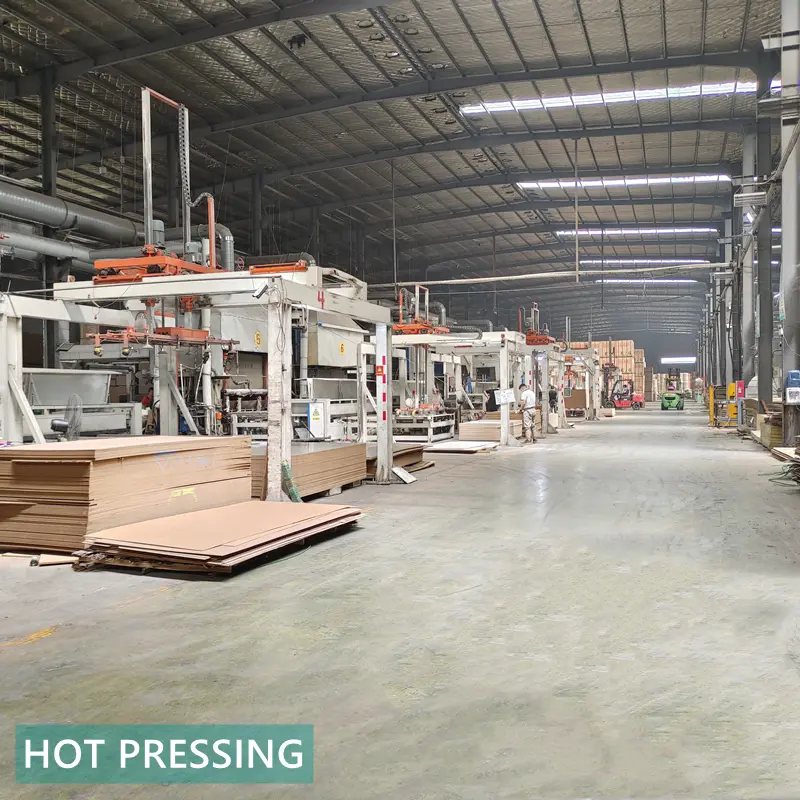
Medium density fiberboard, commonly known as MDF, is an engineered wood product that stands apart from natural woods and plywood. While solid wood is cut directly from a tree, raw MDF is manufactured using a sophisticated process. We take wood fibres—often from softwood residuals or recycled sources—and combine them with a wax and a resin binder. This mixture is subjected to high pressure and heat to compress it into durable mats.
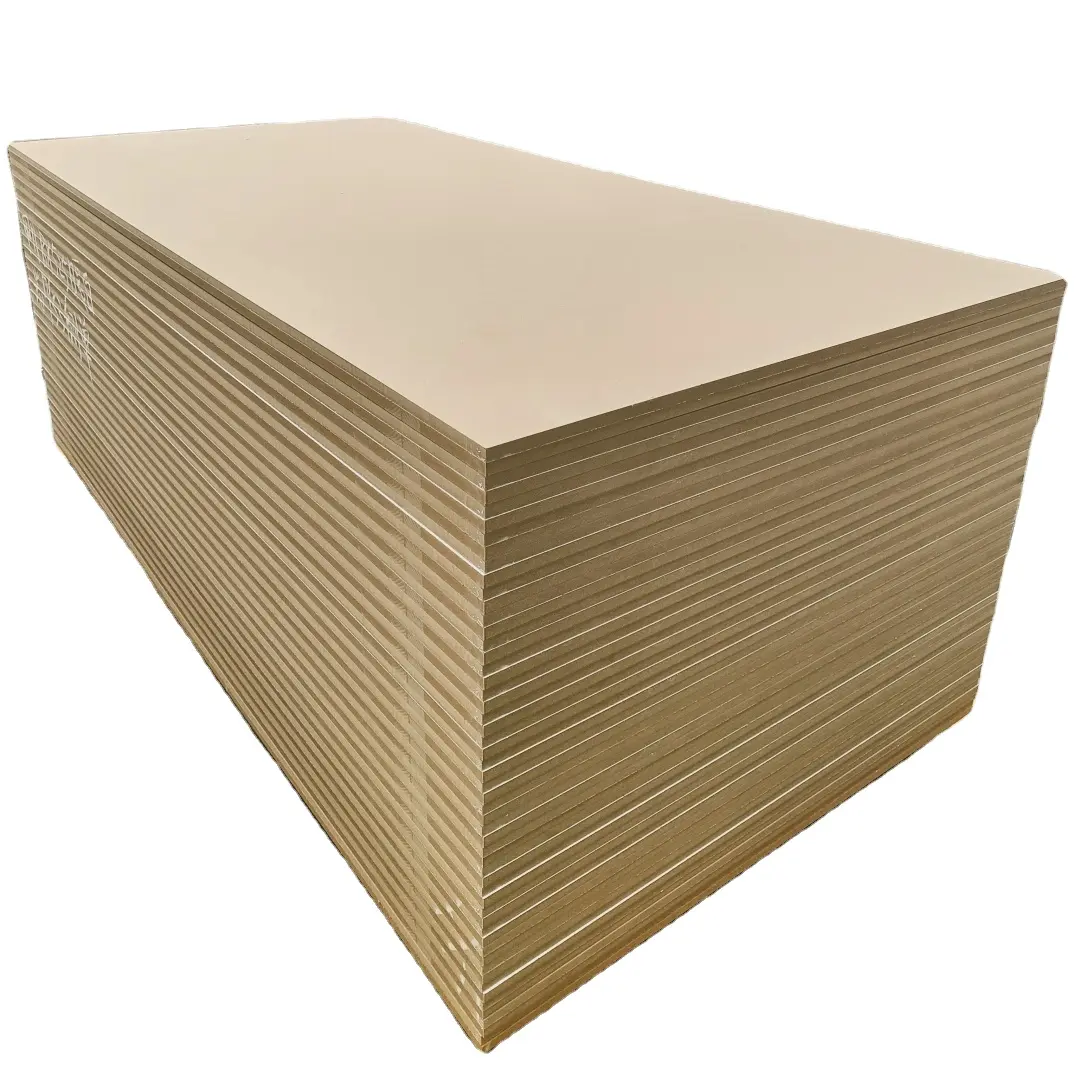
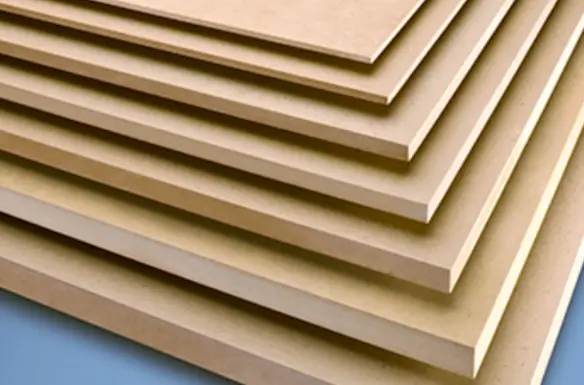
The result is a panel with a highly uniform density. Unlike real wood, there are no knots, rings, or grain directions to worry about. This consistency is what makes raw mdf sheets so reliable. Every inch of the sheet has the same strength and texture. As a supplier, we ensure that our manufacturing processes yield a board that is stable, flat, and ready for any fabrication task you throw at it.
Why Choose Raw MDF Over Plywood or Natural Woods?
When planning a project, the choice often comes down to plywood versus MDF. While plywood has its structural merits, raw MDF offers a distinct advantage when it comes to surface quality. Plywood layers can sometimes show through thin finishes, and natural woods are prone to splitting and checking. MDF provides a perfectly smooth surface that is ideal for painting.
Furthermore, raw MDF is typically less expensive than hardwood or high-grade plywood. This makes it a budget-friendly option without sacrificing quality. For a carpenter or builder, the lack of grain means you can cut it in any direction without the wood tearing out. It doesn’t splinter like standard lumber, allowing for crisp, clean edges every time.
Is Raw MDF the Best Substrate for Veneer and Laminate?
One of the primary uses of raw MDF is as a core material for decorative surfaces. Because the surface of mdf is so consistent and flat, it is the perfect base for a veneer or laminate. When you apply a thin layer of wood veneer or melamine to a raw mdf core, you get the look of expensive wood with the stability of an engineered panel.
This is why mdf is often the standard for cabinet doors and furniture faces. You can glue an overlay onto it without worrying about bumps or telegraphing imperfections from the core. Whether you are using a high-pressure laminate for a kitchen counter or a delicate walnut veneer for a wardrobe, the raw mdf sheet provides the solid foundation needed for a premium result.
Can You Achieve a Smooth Finish on Raw MDF?
Absolutely. In fact, getting a smooth finish is easier on raw MDF than almost any other wood product. Because there is no grain to fill, paint adheres exceptionally well. However, because the fiber content can be absorbent, specifically on the edges, proper preparation is key.
The edges of an MDF board can soak up paint like a sponge if not sealed. Once sealed with a primer, however, the faces and edges can be painted to a high gloss or matte finish that looks like plastic or metal. This paintability is a huge advantage for interior designers who need specific colors to match a room’s palette. It allows for a level of precision in the final look that is hard to replicate with grainy softwood.
Why is Raw MDF a Favorite for DIY and Woodworking?
For the DIY enthusiast and the professional woodworking shop alike, raw MDF is a dream to work with. It is relatively lightweight compared to dense hardwoods and creates less wear on tools. You can machine it, route it, and drill it with standard equipment.
Do you want to create intricate moldings or decorative trim? MDF is the material of choice. A router bit cuts through it like butter, leaving sharp, clean profiles. It holds glue and adhesive very well, and while you need to be careful with screwing into the edge (pre-drilling is a must to avoid splitting), a screw or nail holds firmly in the face. This versatile nature makes it the go-to material for everything from speaker boxes to wainscoting.
How Durable is Medium-Density Fiberboard in Interior Applications?
Durability is a common concern. Medium density fiberboard is incredibly durable in interior environments. It resists warping and cracking better than solid wood because it doesn’t react as drastically to humidity changes. This makes it ideal for indoor furniture and built-ins.
However, standard raw MDF acts like a sponge when it comes to water. It will absorb liquid and swell if not sealed. Therefore, it is generally not suitable for outdoor applications or areas with excessive moisture like wet bathrooms, unless you use a specific moisture-resistant grade. For dry interior settings, however, a piece of MDF furniture can last for decades.
What Should Builders Know About Formaldehyde and Safety?
In the past, there were concerns about the resins used in manufacturing processes, specifically regarding formaldehyde. Today, however, high-quality MDF is manufactured to strict emission standards.
Reputable suppliers adhere to regulations set by the Air Resources Board (like CARB P2) to ensure that the boards emit extremely low, safe levels of formaldehyde. It is also an environmentally friendly option in many ways. Since it is made from wood residuals—sawdust and shavings that might otherwise be burned—it helps recycle wood waste. When cutting raw MDF sheets, it produces fine dust, so wearing a mask and working in a ventilated environment is always recommended for safety.
How Do Density Fibreboard and Particleboard Compare?
People often confuse density fibreboard with particleboard, but they are quite different. Particleboard is made of larger wood chips and creates a rougher panel. It is weaker and harder to finish nicely.
MDF, or medium-density fiberboard, is made of individual fibers, resulting in a much denser and smoother product. MDF’s structural integrity is superior, holding fasteners better and supporting more weight. While particleboard is cheaper and fine for underlayment, MDF is the superior choice for any visible cabinet or furniture component where quality matters.
What Thicknesses and Sheet Sizes are Available?
One of the great things about raw MDF is the wide range of options. Raw MDF sheets come in various sheet sizes, with 4×8 feet being the standard, but larger 5×9 or 6×9 sheets are available for big jobs.
In terms of thickness, you can find everything from thin 3mm skins (great for door panels) up to thick 25mm or 30mm boards for heavy-duty table tops. This variety allows you to match the sheet exactly to your project requirements. Whether you need a thick, sturdy base for a workbench or a thin, flexible backer for a photo frame, there is a raw mdf sheet for the job.
Summary of Advantages:
- Uniformity: No knots or grain directions; cuts cleanly every time.
- Surface: Perfectly smooth, ideal for paint, veneer, and laminate.
- Workability: Easy to drill, machine, and route for intricate designs.
- Stability: Resists warping in interior environments better than solid wood.
- Eco-Friendly: Uses recycled wood fibres and meets strict safety standards.
- Cost: More affordable than plywood or solid wood while offering premium results.
When you need a panel that offers precision, versatility, and a flawless finish, raw MDF is the clear winner. For your next project, explore our Custom Raw Plain MDF Board or check out our E1 Glue HDF PLAIN MDF BOARD to see the quality difference for yourself.
Post time: 01-16-2026