Buying building supplies used to be straightforward. You checked the price, picked a color, and placed the order. Today, buyers demand absolute safety. You must consider indoor air quality, strict environmental regulations, and the long-term health impact of the products you source. This article breaks down the exact manufacturing methods that reduce harmful off-gassing. We will explore how modern factories treat materials and why understanding these steps is vital for sourcing safe, high-quality interior fixtures. If you want to protect your brand and your customers, keep reading.
What Exactly is Formaldehyde and Why Does it Exist in a Wood-Based Panel?
If you work in purchasing, you have certainly heard the warnings about dangerous off-gassing. But what exactly are we dealing with? It is a naturally occurring organic compound. Historically, it was a superstar in the manufacturing world. Why? Because it is incredibly cheap and highly effective at creating a strong bond between tiny wood fibers. Without this compound, holding a board together used to be very expensive and highly inefficient.
Factories traditionally used urea-formaldehyde (uf) glues to press boards. This adhesive is famous for curing quickly. It easily binds the core materials of standard plywood and basic particleboard. However, as these boards sit in a warm, enclosed room, they slowly release gases into the air. This invisible vapor creates serious concerns for anyone living or working nearby. Prolonged exposure causes watery eyes, scratchy throats, and long-term complications.
Today, responsible suppliers are shifting their methods. They use alternative glues to manufacture a safer Custom Raw Plain MDF Board. The goal is to provide the same strength without the invisible dangers hovering in the air. When procurement directors from the USA or Europe come to inspect our facilities, the first question they ask is about our glue systems. They know that a single container of non-compliant boards can result in massive fines and a ruined reputation. Therefore, understanding the root cause of these emissions is the very first step in taking control of your supply chain. We spend a lot of time educating our buyers that the core board is just as important as the beautiful exterior.
How Does the Chemical Structure of Resin Affect Formaldehyde Emission?
To truly understand off-gassing, we must look at the microscopic level. The chemical structure of the glue determines everything. When a resin cures, it forms long, cross-linked chains. If these chains are weak, they break down over time. This breakdown is exactly what releases trapped gases into the environment. If you want a clean product, you must start with rock-solid chemistry.
Scientists often use ftir (Fourier-transform infrared spectroscopy) to analyze these molecular bonds. By scanning the material, they can see if the chemical bonds are stable or breaking apart. A stable bond means a massive reduction in harmful vapors. This molecular stability is the holy grail for any modern manufacturer. We test every batch rigorously. If the composition shifts even slightly due to temperature changes in the factory, the bonding strength can weaken.
When a factory uses high-quality binders, the emission rate plummets. This is why paying attention to the glue specs is just as important as looking at the visual finish. For my clients, especially those building modular cabinets, weakened glue means a board that might swell or crack under pressure. But more importantly, it means the board might fail EPA tests. Our engineers work closely with glue suppliers to tweak the formulas. We want a binder that cures rapidly on the press line to keep production fast, but remains permanently locked together for decades in a customer’s home. You simply cannot afford to build a beautiful room that smells like a chemistry lab.
Can You Achieve a Stunning Decorative Surface Without Harmful Additives?
Absolutely. Decades ago, achieving a high-gloss, scratch-resistant finish meant using some pretty harsh chemicals. Consumers complained of minor irritation to their eyes and throat immediately after unboxing new casework. Prolonged exposure even led to severe respiratory issues for factory workers and homeowners alike. The industry knew it had to change. People refused to bring hazardous materials into their bedrooms and kitchens.
Thankfully, science evolved. Today, you can achieve a flawless, vibrant surface without triggering major health issues. We now rely on advanced, safer coatings. Whether you are building luxury hotel lobbies or outfitting residential living rooms, the focus is on clean air. It provides excellent scratch resistance without relying on toxic heavy metals or highly volatile solvents. The transition wasn’t easy. Early attempts at green coatings often resulted in cloudy finishes or exteriors that scratched too easily. I remember visiting clients who were frustrated because their eco-friendly cabinets looked dull after just a few months.
Modern interior decoration demands beauty without compromise. You do not have to sacrifice that gorgeous, deep-textured look just to meet safety standards. Through relentless R&D, the industry cracked the code. Now, the eco-friendly coatings we use are actually harder and clearer than the dangerous versions from twenty years ago. The new generation of finishes provides breathtaking aesthetics while keeping the air pure and fresh. This means buyers never have to choose between a stunning visual presentation and strict health compliance. They get both.
What Role Does Base Paper Play in Modern Furniture Production?
Every great finish starts with a great foundation. Before any pattern is printed, you need a high-quality White Solid Color Printed Base Paper. This specialized paper is the blank canvas for the entire industry. It must be highly absorbent, yet strong enough not to tear during the fast-paced printing process. The paper weight matters immensely. A lightweight paper might be cheaper, but it will not hold enough liquid plastic to provide a durable barrier.
If the foundation is weak, the final product will fail. The paper must absorb the exact right amount of ink and protective coatings. A good paper allows factories to print everything from a stark solid color to a hyper-realistic oak pattern. It completely replaces the need for expensive, delicate natural timber veneer. We usually recommend a heavier paper for high-wear areas like desk tops, while slightly lighter paper is perfectly fine for the vertical sides of a bookcase. Managing these details is what separates a decent supplier from a great one.
By using premium paper, builders can deliver stunning furniture. This method keeps costs down while maintaining the flawless look that picky consumers demand. When a procurement director orders 10,000 sheets, they trust the supplier to select the exact paper weight that balances their budget with their quality requirements. A flawless foundation ensures the printed design remains crisp, bright, and utterly convincing.
How Do Factories Impregnate Decorative Paper for Maximum Durability?
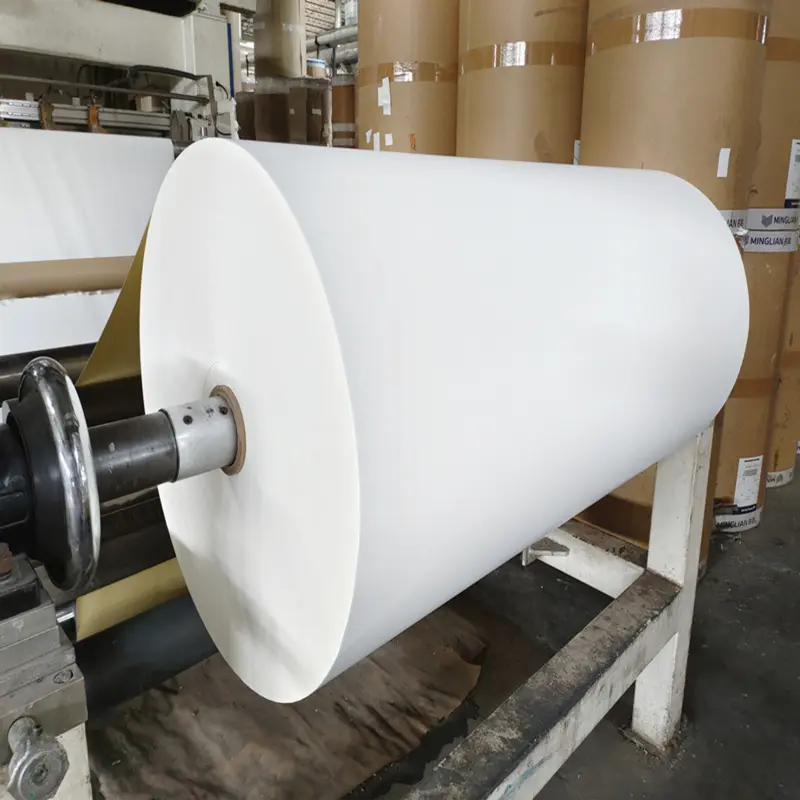
Printing a pretty picture is easy. Making it survive a busy household is hard. To achieve true strength, factories must deeply soak or bathe the printed sheets in a protective bath. This impregnation process saturates the paper fibers with a tough, clear liquid plastic. I have stood next to these lines for hours, watching the massive rolls run through the chemical baths. The speed of the rollers, the temperature of the drying ovens, and the viscosity of the liquid must be perfectly synchronized.
Once the Good Quality melamine paper absorbs the liquid, it runs through massive drying ovens. This creates impregnated paper that is stiff yet slightly flexible before it gets pressed. Engineers carefully measure the elongation at break to ensure the sheet won’t snap when stretched slightly. If the sheet dries too fast, it becomes brittle and cracks. If it doesn’t dry enough, it will stick to the pressing plates later on. This precision engineering guarantees that the final exterior will resist coffee stains, marker pens, and the daily friction of busy family life.
This crucial step creates incredible toughness. It transforms a fragile sheet into a hard, defensive shield. This shield provides amazing durability. It is exactly what stops a dropped set of keys from gouging your brand-new kitchen counter. The transformation from a soft, tearable sheet into an impenetrable barrier is truly the most critical stage of the entire manufacturing process.
Are Solid Color Options as Safe as Wood Grain Patterns on a Panel?
A common myth in the industry is that complex printed patterns require more dangerous inks than plain colors. This is false. Both plain and printed styles undergo the exact same safety protocols. The inks used to print a sprawling walnut grain are strictly regulated water-based or soy-based dyes. Actually, plain designs can sometimes be harder to manufacture perfectly. A busy grain pattern easily hides small dust particles or tiny scratches. A pure, glossy white or a matte black exterior shows absolutely everything.
Whether you order a massive batch of matte black boards or a realistic pine texture, the safety profile remains identical. The real determining factor for safety is the core board, not the ink on top. Therefore, our cleanroom standards for pressing plain styles are incredibly strict. We ensure there is zero dust in the air. But from a health and safety standpoint, there is no difference. Buyers appreciate knowing they can offer their customers a massive catalog of colors without ever worrying about compromising indoor air quality.
So, if a designer wants a bright red wardrobe for a child’s bedroom, you can confidently source it. As long as the factory uses certified components, the boldest colors are just as safe as the most natural-looking grains. You never have to limit your design palette due to safety concerns.
How Does the Hot Pressing Process Lock the Resin Layer onto the Surface?
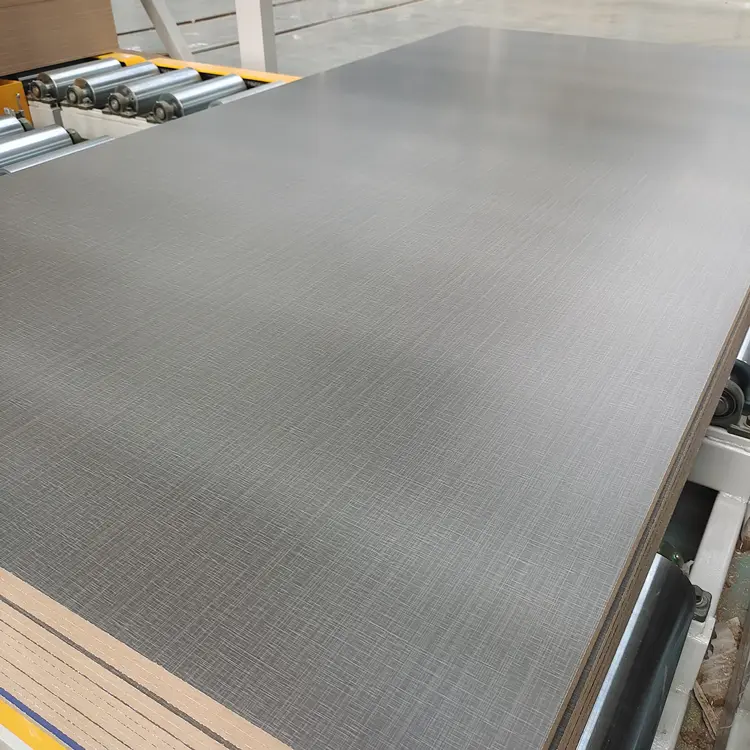
The magic truly happens inside the heavy steel presses. We take the treated sheet and lay it carefully over the raw substrate. Then, we apply intense heat and massive pressure. This hot pressing step causes the chemicals in the sheet to instantly melt and fuse directly into the substrate. The press plates themselves are engineering marvels. We use plates with deeply engraved textures. When the hot press comes down, it doesn’t just melt the exterior; it embosses a physical texture into it.
It does not just glue the sheet down; it creates a brand new, unified layer. This fused resin layer drastically changes the surface properties of the substrate. It makes it completely waterproof on the top face and provides incredible wear resistance. If we are printing an oak pattern, the press plate presses tiny grooves that match the visual grain perfectly. This synchronized texture is what tricks the eye and the hand into believing it is real wood. It adds massive value to the final piece of woodwork, allowing our clients to sell their cabinets at a premium price point.
During this lamination process, the substrate also gains excellent dimensional stability. It will not warp easily when the weather changes. It is much better than a standard laminate sheet. This is a different process than high-pressure laminates (hpl), but it achieves remarkable results. This is why pressed boards are far superior to substrates that just have a sticker glued to the top. The intense heat and pressure guarantee a permanent, indestructible bond.
Why Is Independent Third-Party Testing Crucial for Formaldehyde Verification?
You cannot just take a salesperson’s word for it when lives are at stake. Every reputable factory must submit their products to strict third-party testing laboratories. These labs place the substrates in sealed chambers to measure exactly how much gas escapes over several days. I tell all my B2B clients: if a supplier hesitates to show you their recent lab reports, walk away immediately. Customs agents are unforgiving.
These independent certificates (like CARB P2 or EPA TSCA Title VI) are mandatory for importing into places like the USA. If a substrate is destined for a sensitive environment, like a healthcare facility or a school, the standards are even stricter. If a shipment arrives at the port of Los Angeles and fails a spot check, the entire container will be seized and destroyed at your expense. Partnering with a fully certified factory removes this massive financial risk.
Always ask to see the testing certificates. A reliable supplier will proudly display them. It proves they are using high-quality raw materials and safe manufacturing practices. We maintain a digital library of all our updated certificates, organized by batch and date, so our buyers can clear customs smoothly and sleep well at night. Trust is good, but independent verification is strictly required in this industry.
Can You Use Formaldehyde-Free Decorative Paper for Indoor and Outdoor Projects?
A completely gas-free substrate is the ultimate goal. When you pair a pure core board with a safe top layer, you get a zero-emission product. These ultra-safe boards are perfect for any tightly sealed indoor space, especially bedrooms and tiny apartments where ventilation is poor. For standard dry rooms, a regular Melamine MDF board is the perfect choice. The medium density core is incredibly smooth and easy to cut.
However, can you use them outside? Generally, standard pressed boards are not meant for outdoor weather. Rain and wild temperature swings will destroy them. But for enclosed patios or covered sunrooms with high humidity, you can use moisture-resistant cores paired with these safe papers. If the contractor is outfitting a locker room or a pool house, we always switch them to a green moisture-resistant core. It costs slightly more, but it prevents the core from swelling like a sponge. Understanding these subtle differences saves contractors from disastrous call-backs and warranty claims down the road.
These versatile boards are used for everything from heavy-duty floor planks to lightweight ceiling panels. By choosing the right core, you can safely outfit almost any covered space. You get the peace of mind knowing the air remains clean, regardless of where the board is installed.
How Does Low Formaldehyde Decorative Material Improve the Furniture and Interior Sector?
The shift towards cleaner materials has revolutionized the entire supply chain. It forces factories to innovate and become more sustainable. We are seeing better engineering and smarter chemistry. Consumers are smarter than ever. They actively research the materials used in their homes. A brand that can proudly advertise its use of zero-emission, eco-friendly substrates immediately gains a competitive edge. It builds trust. In a crowded marketplace where many brands offer similar designs, safety and sustainability become the deciding factors for the end-user.
This safe material, especially when applied to high-quality fiberboard, is now standard in all high-end kitchen cabinets and premium office setups. It pairs perfectly with safe textile fabrics and clean furnishing choices to create truly healthy homes. As a one-stop solution provider, we are proud to supply the materials that help our clients build that trust and grow their businesses globally. We believe that beautiful design should never compromise human health.
By demanding better, buyers are improving the lives of factory workers, installers, and the families who eventually use the products. Sourcing clean materials is no longer just a legal requirement; it is a moral obligation and a smart business move. It elevates the entire industry and ensures that the spaces we live and work in are truly safe sanctuaries.
Post time: 07-08-2026